
Quick Read
- Fred Ramsdell, Mary E. Brunkow, and Shimon Sakaguchi won the 2025 Nobel Prize in Medicine for discoveries on immune tolerance.
- Their research uncovered the role of regulatory T cells and the Foxp3 gene in preventing autoimmune diseases.
- These findings have spurred new treatments for autoimmune diseases and cancer.
- The trio will share an award of 11 million Swedish kronor (about $1.2 million).
How Ramsdell’s Discovery Changed Our Understanding of Immunity
On October 6, 2025, Fred Ramsdell’s name echoed around the world as he, Mary E. Brunkow, and Shimon Sakaguchi were announced as Nobel laureates for Physiology or Medicine. Their work, according to the Nobel Committee at Sweden’s Karolinska Institute, fundamentally changed the way scientists—and, by extension, doctors—understand and treat the immune system’s most complex behaviors.
Ramsdell, now a scientific adviser for Sonoma Biotherapeutics in San Francisco, was recognized for his role in unraveling the mysteries of peripheral immune tolerance. This isn’t just scientific jargon. It’s the process by which our bodies avoid the catastrophic mistake of attacking their own tissues—a failure that leads to autoimmune diseases like type 1 diabetes and multiple sclerosis. In essence, their discoveries help explain why most of us don’t suffer from such conditions, and why some do.
The Road to Nobel: A Global Collaboration
The journey began with Sakaguchi’s 1995 discovery of a previously unknown subset of T cells, now called regulatory T cells (T-regs). These cells act as peacekeepers, policing other T cells to prevent them from mistakenly targeting healthy cells. But it was in 2001 that Ramsdell and Brunkow, working together at a small biotech firm, made a pivotal leap. They pinpointed a mutation in the Foxp3 gene, a genetic anomaly responsible for triggering autoimmune reactions in mice—and, as it turned out, in humans as well.
As Brunkow recounted, the initial clue came from observing mice with hyperactive immune systems. Using innovative genetic techniques, she and Ramsdell traced the root cause to a tiny mutation with massive consequences. “From a DNA level, it was a really small alteration that caused this massive change to how the immune system works,” she said (ABC7 News).
Two years later, Sakaguchi closed the loop by showing that Foxp3 is the master regulator of T-reg development. The combined research formed the bedrock of a new field in immunology—one focused on harnessing regulatory T cells to treat both autoimmune diseases and cancer (Al Jazeera).
The Real-World Impact: From Lab Bench to Patient Bedside
Why does this matter? For one, it has changed the way scientists approach diseases like lupus, rheumatoid arthritis, and even some cancers. The understanding of T-regs and Foxp3 has led to innovative therapies that seek to boost or suppress these cells, depending on the patient’s needs. The Nobel Committee’s chair, Olle Kämpe, described the trio’s work as “decisive for our understanding of how the immune system functions and why we do not all develop serious autoimmune diseases.”
Marie Wahren-Herlenius, rheumatology professor at the Karolinska Institute, highlighted how researchers worldwide are now working to use regulatory T cells to develop treatments for autoimmune diseases and cancer. Their discoveries have opened new doors in medicine, making it possible to design therapies that are more targeted and less likely to cause harmful side effects.
Behind the Scenes: Recognition and Reflections
For Ramsdell and his colleagues, the Nobel announcement was more than a scientific milestone—it was deeply personal. Brunkow described her disbelief at first, mistaking a call from Sweden for spam. Sakaguchi, speaking at a news conference in Osaka, expressed hope that research in the field would continue to grow, ultimately translating their findings into better treatments for patients worldwide.
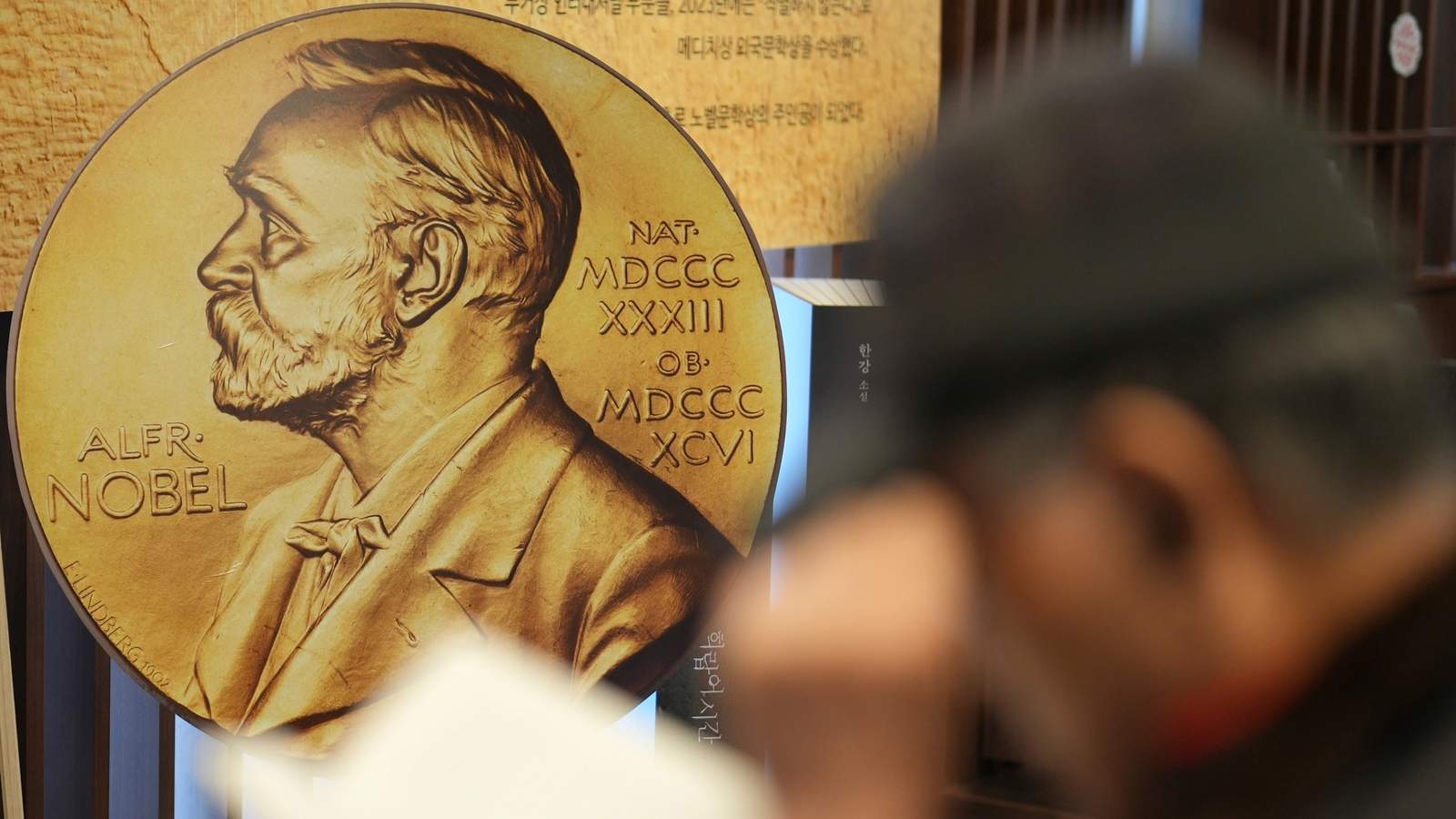
The Nobel Prize, often called the world’s most prestigious scientific honor, comes with a cash award—11 million Swedish kronor (about $1.2 million)—and gold medals to be presented by the King of Sweden at the December ceremony marking Alfred Nobel’s death anniversary. This recognition not only celebrates past achievements but also encourages future breakthroughs in immunology and beyond.
What Comes Next? The Promise and Challenge of Immunotherapy
The ripple effects of Ramsdell’s work are just beginning to be felt. Immunotherapy, which uses the body’s own defenses to fight disease, is now at the forefront of cancer treatment. Regulatory T cells play a central role in this revolution, offering hope for patients with conditions once considered untreatable.
But the science is still evolving. Researchers face the challenge of fine-tuning these therapies to avoid unwanted side effects—boosting the immune system enough to fight cancer, for example, without triggering autoimmune disease. The delicate balance uncovered by Ramsdell and his colleagues is now a guiding principle for teams around the world.
As the Nobel Committee’s secretary-general Thomas Perlmann remarked, the laureates’ discoveries have laid the foundation for a new field of research. “Their work relates to how we keep our immune system under control so we can fight all imaginable microbes and still avoid autoimmune disease.”
With ongoing research and clinical trials, the hope is that the next generation of treatments will be safer, more effective, and accessible to patients everywhere.
Fred Ramsdell’s journey from a small biotech lab to the Nobel stage is a testament to the power of curiosity and collaboration. His work not only decoded a critical aspect of our biology but also opened new therapeutic horizons—proving that even the smallest genetic clues can have profound impacts on human health.