
Quick Read
- French PM François Bayrou faces a confidence vote on September 8.
- The vote centers on €44 billion in budget cuts to reduce France’s deficit.
- Opposition parties, including Socialists, are unlikely to back the government.
- Public protests reminiscent of the Yellow Vest movement are planned for September 10.
- Failure in the vote could lead to Bayrou’s government collapse or snap elections.
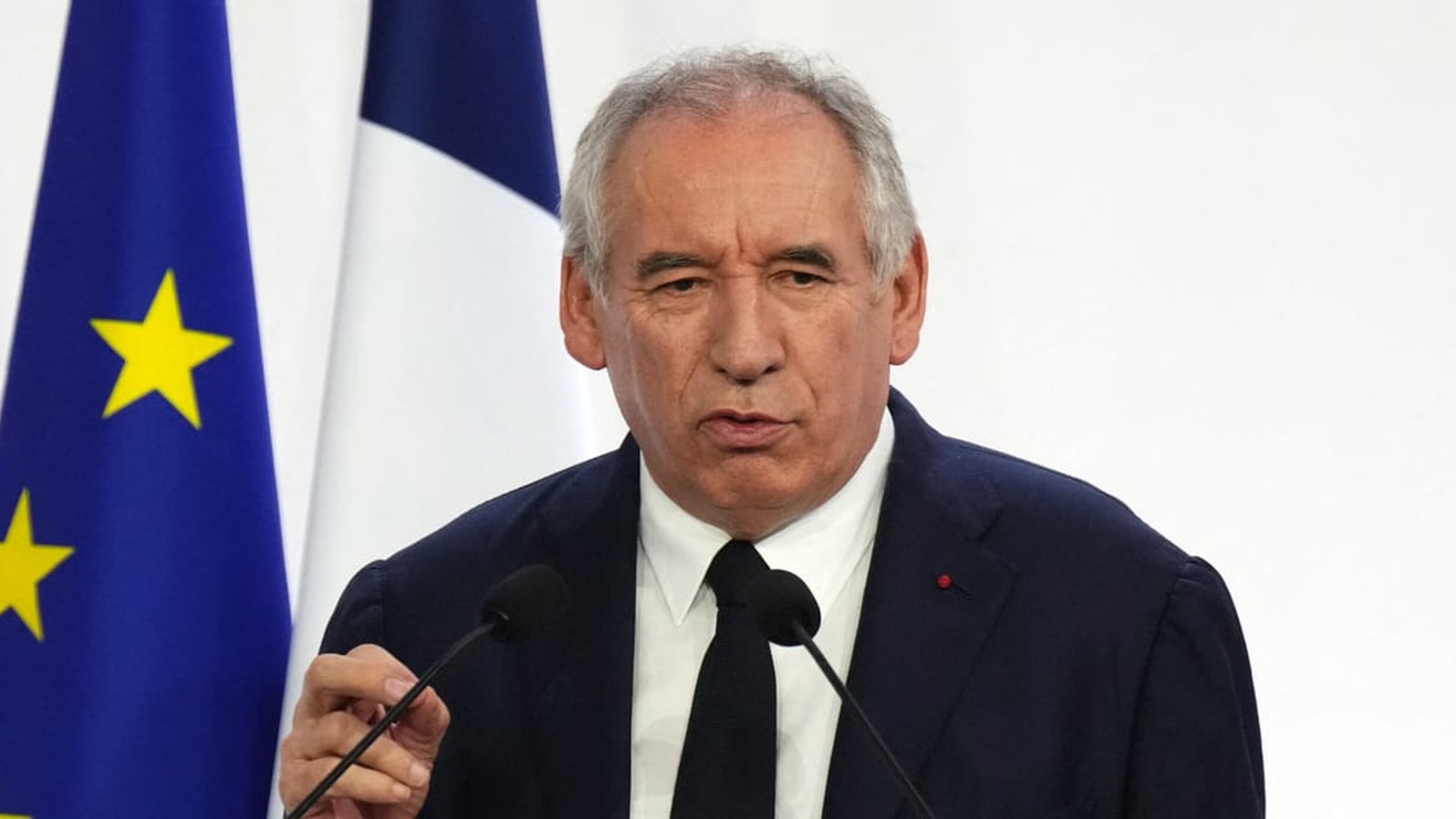
On September 8, France’s Prime Minister François Bayrou will face a critical confidence vote in the National Assembly, one that could determine the fate of his government. This high-stakes political gamble comes as Bayrou pushes for sweeping budget cuts aimed at tackling the country’s mounting debt, a move that has sparked outrage among opposition parties and uncertainty in financial markets.
The Stakes: A Confidence Vote That Could Topple the Government
François Bayrou’s minority government has called for a confidence vote to support its 2026 budget plan, which proposes a €44 billion austerity package. Key measures include scrapping two public holidays, freezing welfare spending, and maintaining tax brackets at 2025 levels without adjusting for inflation. Bayrou has described the vote as a necessary risk to address France’s deficit, which reached 5.8% of GDP last year, nearly double the EU’s 3% limit.
However, opposition to the plan is fierce. The far-right National Rally, the Greens, and the hard-left France Unbowed have all declared they will vote against the government. Even the Socialists, whose votes are crucial for Bayrou’s survival, have expressed skepticism. Socialist lawmaker Arthur Delaporte accused Bayrou of being “deaf to the demands of the French” and hinted that their support would require significant changes to the budget proposal.
According to Reuters, if Bayrou loses the confidence vote, his government will fall. President Emmanuel Macron would then face a choice: appoint a new prime minister, keep Bayrou in a caretaker role, or call for snap elections. This precarious situation has already unsettled investors, with French bond yields rising and the CAC-40 index dropping 1.6%.
Public Reaction: Protests and Comparisons to the Yellow Vest Movement
The proposed budget cuts have ignited public anger, with unions and leftist parties calling for nationwide protests on September 10, just two days after the confidence vote. Comparisons are being drawn to the Yellow Vest movement of 2018, which began as a protest against fuel price hikes but evolved into a broader critique of President Macron’s economic policies. Analysts fear a similar wave of unrest could erupt if the government fails to address public grievances.
Bayrou, however, remains defiant. “Yes, it’s risky, but it’s even riskier not to do anything,” he stated during a press conference. He has attempted to rally public support through platforms like YouTube, explaining the necessity of the budget cuts to stabilize France’s economy. Despite this, his efforts have been met with widespread skepticism.
Historical Context: A Pattern of Political Instability
France’s current political turmoil is not an isolated incident. Last year, President Macron lost his then-prime minister, Michel Barnier, to a no-confidence vote over budget issues, following a snap election just months earlier. This recurring instability highlights the challenges of governing with a fragmented parliament, where coalitions are tenuous, and opposition forces are strong.
Bayrou’s government, like its predecessors, faces the dual challenge of addressing France’s economic woes while navigating a deeply divided political landscape. As noted by Investing.com, even a victory in the confidence vote would only secure support for the budget’s general framework, with the actual budget vote still looming later in the year.
International Implications and Investor Concerns
The political uncertainty in France has also drawn international attention. Financial markets have reacted negatively, with the spread between French and German bonds widening. Analysts warn that prolonged instability could undermine investor confidence in France’s ability to manage its debt, potentially affecting its standing within the European Union.
Bayrou’s proposed measures, particularly the scrapping of public holidays, have also sparked debates about their long-term impact on France’s productivity and social fabric. Critics argue that such austerity measures disproportionately affect low-income citizens, exacerbating inequality and social unrest.
As the September 8 vote approaches, all eyes are on France. The outcome will not only determine the future of Bayrou’s government but also signal the country’s ability to confront its economic challenges without descending into further political chaos.
The coming weeks will be pivotal for France, as its government grapples with political, economic, and social pressures that could shape its trajectory for years to come.