
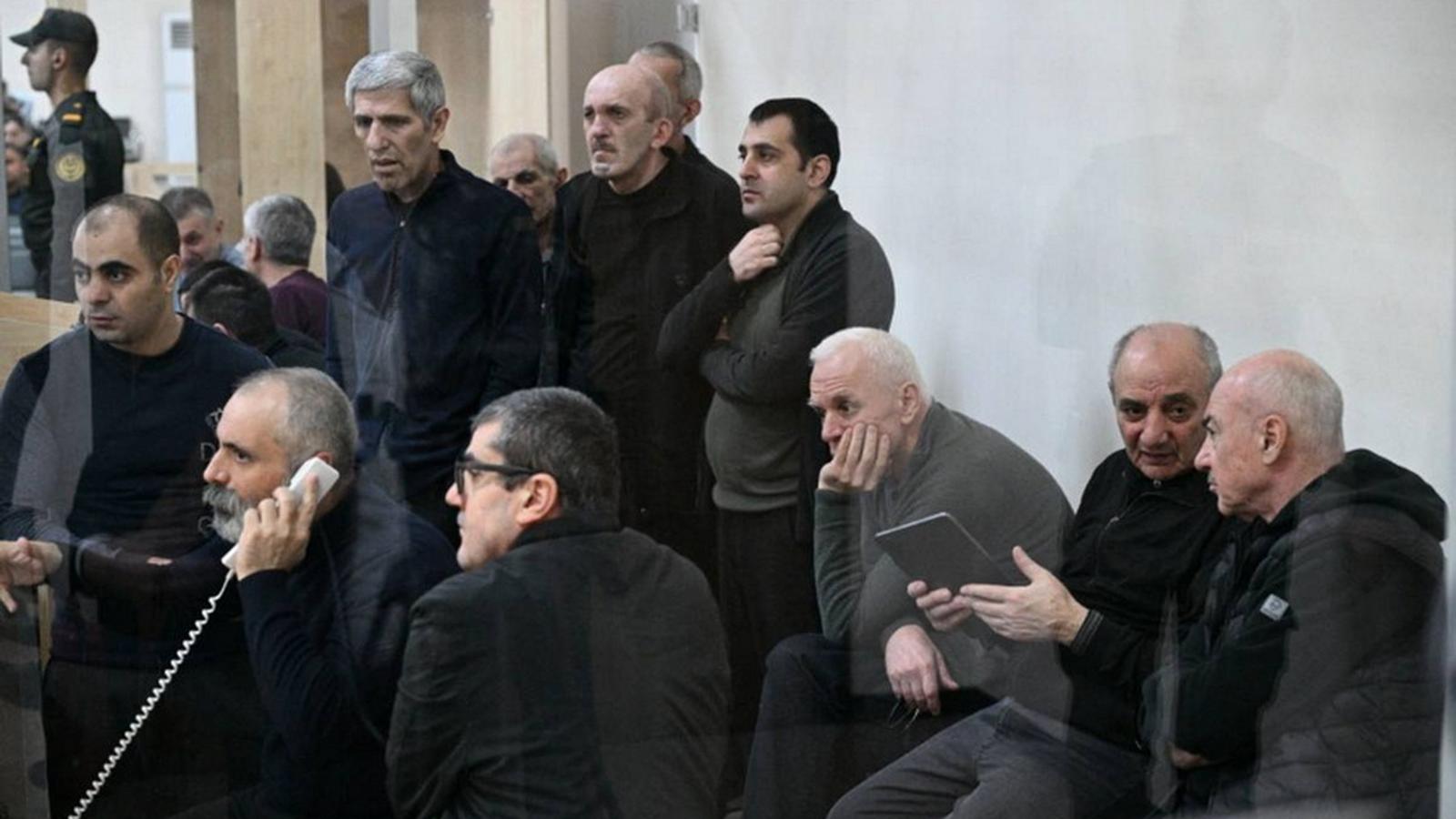
- The French Senate voted unanimously in favor of a draft resolution on the release of Armenian prisoners of war.
- The decision is described as an important step in humanitarian diplomacy.
- The resolution underscores France’s stance on prisoner releases in conflict zones.
- Further details on the text and next steps were not disclosed in initial reporting.
The French Senate, the upper house of France’s Parliament, unanimously approved a draft resolution calling for the release of Armenian prisoners of war, a move described by observers as an important step in humanitarian diplomacy amid long-running regional tensions.
The decision was welcomed as a symbolic gesture of solidarity with those affected by the conflict and a reaffirmation of international humanitarian norms that govern the treatment and rights of captives in war. While the specific content of the draft was not released in detail in the initial reporting, the vote itself underscores a cross-party consensus in France on the issue of prisoner releases and the protection of prisoners of war under international law.
The resolution’s aim is to call for the release of Armenian prisoners of war, according to the brief description accompanying the vote. In other words, the French Senate is urging the authorities responsible for those prisoners to facilitate their release and to ensure humane treatment and due process as applicable. The exact mechanisms the draft would employ—whether it calls for diplomatic démarches, enhanced monitoring, or engagement with international organizations—were not outlined in the initial report.
Observers note that parliamentary actions like this can influence diplomatic discourse even if they do not directly compel action on the ground. France has long positioned itself as a proponent of international humanitarian law, and this vote can be read as part of a broader pattern of Western lawmakers using parliamentary resolutions to spotlight prisoners of war issues in conflicts where captives remain a humanitarian concern. The unanimous vote, in particular, signals broad cross-party support for such humanitarian considerations, even as foreign policy realities on the ground remain complex and fluid.
In terms of regional context, the Armenian-Azerbaijani dispute has produced humanitarian concerns, with prisoners of war a central issue for international observers. The French Senate action thus contributes to a chorus of calls from Western lawmakers for accountability to humanitarian norms and for practical steps to secure the release of captives while preserving their rights under international law. The specifics of how the draft would be implemented, or how it would interact with ongoing negotiations, are not publicly available yet, and Paris officials have not publicly outlined the next steps beyond acknowledging the Senate’s vote.
For international readers, the development signals how parliamentary bodies in Western democracies are engaging with war-related humanitarian questions, potentially channeling pressure toward Azerbaijan or other authorities perceived as responsible for prisoner releases. It also highlights France’s ongoing role in human rights diplomacy, a domain in which Paris often seeks to demonstrate leadership within the European Union and in its relations with the broader neighborhood. The resolution’s passage by a unanimous vote may encourage other legislators to scrutinize and press for similar actions, particularly as the humanitarian costs of protracted conflicts continue to mount.
Looking ahead, analysts say the real test will be whether the draft translates into tangible progress on the ground. The effectiveness of a parliamentary resolution frequently depends on how it is received by the executive branch, how it is communicated to other states and international bodies, and whether it can mobilize or align with other diplomatic efforts aimed at securing prisoner releases. Even as the text remains forthcoming or not publicly released, the unanimous vote itself may have symbolic impact by signaling steady cross-party resolve in France and by boosting momentum for international calls for more transparent and humane treatment of prisoners of war.
The French Senate’s decision arrives amid a broader global emphasis on the rights of detainees and the necessity of ensuring humanitarian protections in conflict zones, a theme that has guided Paris’s foreign policy in recent years. While the path from a parliamentary resolution to a verifiable release is seldom direct, the act may shape the tone of diplomatic engagements, influence public opinion, and mobilize civil society to monitor and advocate for prisoners’ welfare.
The unanimous French Senate vote demonstrates France’s willingness to deploy humanitarian arguments within its foreign policy toolbox, potentially shaping discussions among European allies and other parties involved in the conflict. While symbolic in nature, the resolution’s passage could add pressure for tangible steps toward release and encourage international cooperation, though real outcomes will depend on how states and authorities translate parliamentary exhortations into concrete diplomacy.