
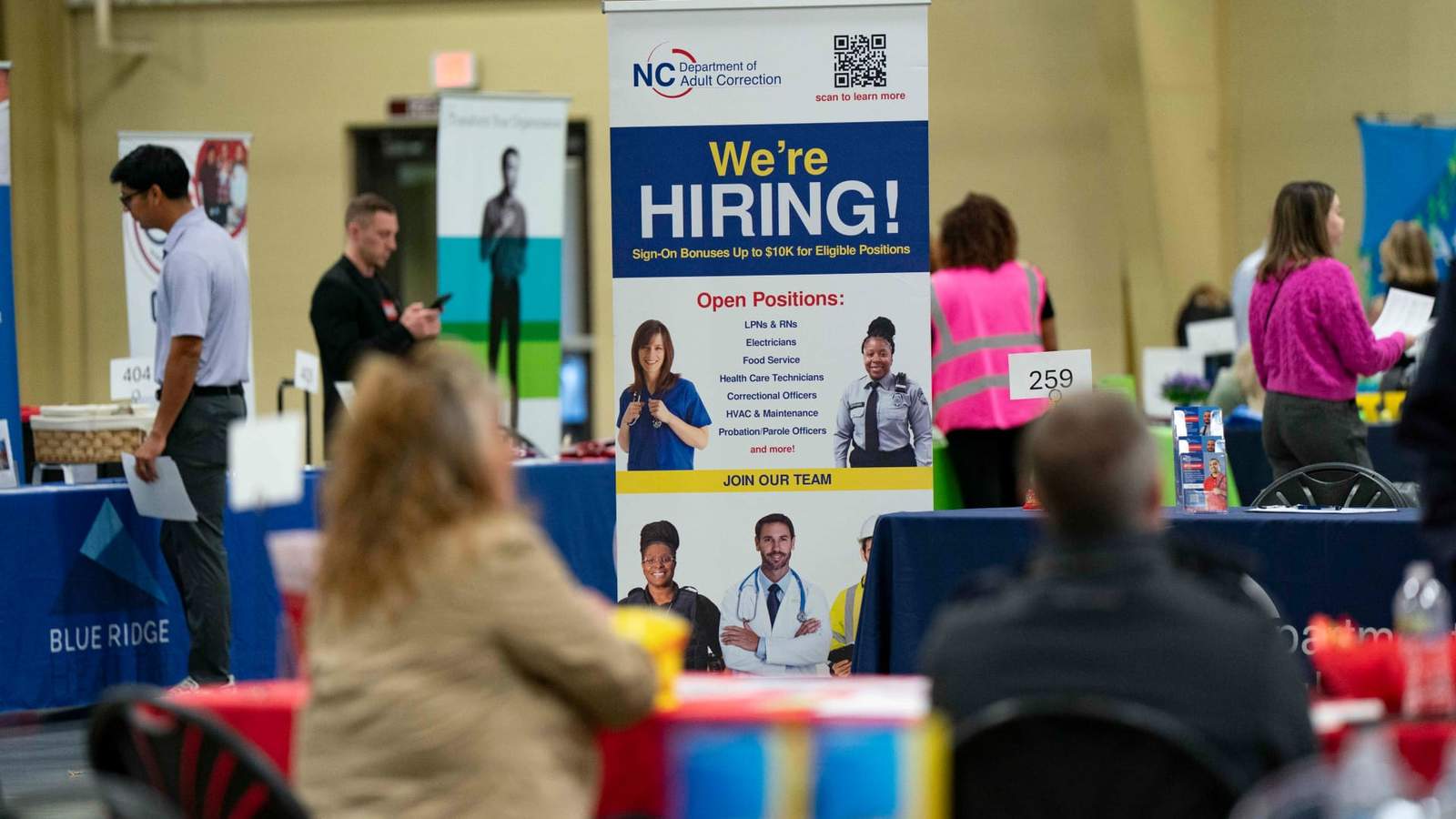
Quick Read
- The Bureau of Labor Statistics will release its May jobs report Friday at 8:30 a.m. ET.
- Economists predict the U.S. added 125,000 jobs in May, down from April’s 177,000.
- The unemployment rate is expected to hold steady at 4.2%.
- The report may influence Federal Reserve decisions on interest rates.
- Key concerns include tariffs, inflation, and a potential labor market slowdown.
As the Bureau of Labor Statistics prepares to release its May jobs report on Friday at 8:30 a.m. ET, all eyes are on the labor market’s response to heightened economic uncertainty and shifting policy landscapes. Economists are bracing for signs of a slowdown, predicting a gain of just 125,000 nonfarm payroll jobs in May—a notable dip from April’s 177,000, according to CNN. The unemployment rate is expected to remain steady at 4.2%, but deeper implications for the U.S. economy hang in the balance.
What the Numbers Could Mean for the Economy
The anticipated hiring slowdown comes amid rising concerns over the broader economy, with tariffs, inflation, and consumer spending driving uncertainty. A modest decline in job growth wouldn’t necessarily signal trouble, but a sharper drop—below 100,000 jobs—could stoke fears of an impending recession, as noted by Barclays Private Bank’s Julien Lefargue in Investopedia. Conversely, stronger-than-expected numbers could push Treasury yields higher, complicating Federal Reserve policies aimed at balancing growth and inflation.
Recent data paints a mixed picture. Private payrolls rose by just 37,000 in May, marking a two-year low, according to an ADP report cited by Wral. Meanwhile, weekly jobless claims climbed to 247,000 at the end of May, the highest since October 2024, highlighting the pressures on the labor market.
The Impact of Tariffs and Policy Shifts
Economic policies, particularly tariffs, have added to the strain on businesses and workers. President Donald Trump’s tariff campaigns, launched in early April, have disrupted trade flows and increased production costs. For instance, Passenger Clothing, a U.K.-based apparel company, paused its U.S. operations due to hefty duties, leading to layoffs, as reported by CNN. The effects of these tariffs may take months to fully materialize, but early signs suggest hesitation among employers to expand their workforce.
Federal government job cuts have also weighed on the employment landscape. Over three consecutive months, federal agencies shed nearly 26,000 positions, according to Bureau of Labor Statistics data analyzed by Wral. These reductions reflect broader cost-cutting measures and uncertainty within public sector hiring.
Resilience Amid Challenges
Despite these challenges, the U.S. labor market has displayed remarkable resilience since the pandemic’s aftermath. The economy has added jobs every month since December 2020, even as inflation surged and the Federal Reserve hiked interest rates. However, the pace of job creation has slowed significantly, with monthly averages falling from mid-2022 highs, as noted by Cnbc.
One area of concern is the disconnect between job openings and actual hires. April’s Job Openings and Labor Turnover Survey (JOLTS) revealed 7.4 million open positions, up from 7.2 million in March, but employers remain cautious about filling these roles. Economists attribute this hesitancy to economic uncertainty, with many businesses opting to delay hiring decisions, according to Investopedia.
Implications for Federal Reserve Policy
The Federal Reserve faces a delicate balancing act as it evaluates the jobs report and other economic indicators. While the central bank has maintained steady interest rates this year, a significant labor market slowdown could prompt a shift. Lower-than-expected job growth may pressure the Fed to cut rates, reducing borrowing costs and stimulating economic activity. However, persistent inflation concerns could limit the Fed’s flexibility, as highlighted by Nomura economist Jeremy Schwartz in Wral.
For President Trump, the stakes are equally high. The administration has pushed for immediate rate cuts to offset the economic impact of tariffs and bolster growth. The May jobs report will likely influence the Fed’s decisions in the coming months, with broader implications for the economy and financial markets.
Friday’s jobs report is more than just a snapshot of the labor market; it is a critical barometer of the U.S. economy’s health. As businesses, policymakers, and consumers await the data, the stakes are clear: stability in employment could sustain economic confidence, while any sharp deviations might redefine the trajectory of growth and policy for the months ahead.