
Quick Read
- February 13, 2026, marks the first of three Friday the 13ths this year, with subsequent dates in March and November.
- The superstition originates from historical associations of Friday with misfortune (Jesus’ crucifixion) and the number 13 with disruption (Last Supper’s 13th guest, Knights Templar arrests).
- The ‘Friday the 13th’ film franchise, starting in 1980, significantly cemented the date’s pop culture association with horror, featuring iconic killer Jason Voorhees.
- Despite no scientific evidence of bad luck, the date is celebrated by horror fans, with media outlets recommending classic and modern scary movies.
- Psychologists suggest the belief is often self-fulfilling, as people expecting misfortune may attribute negative events to the date.
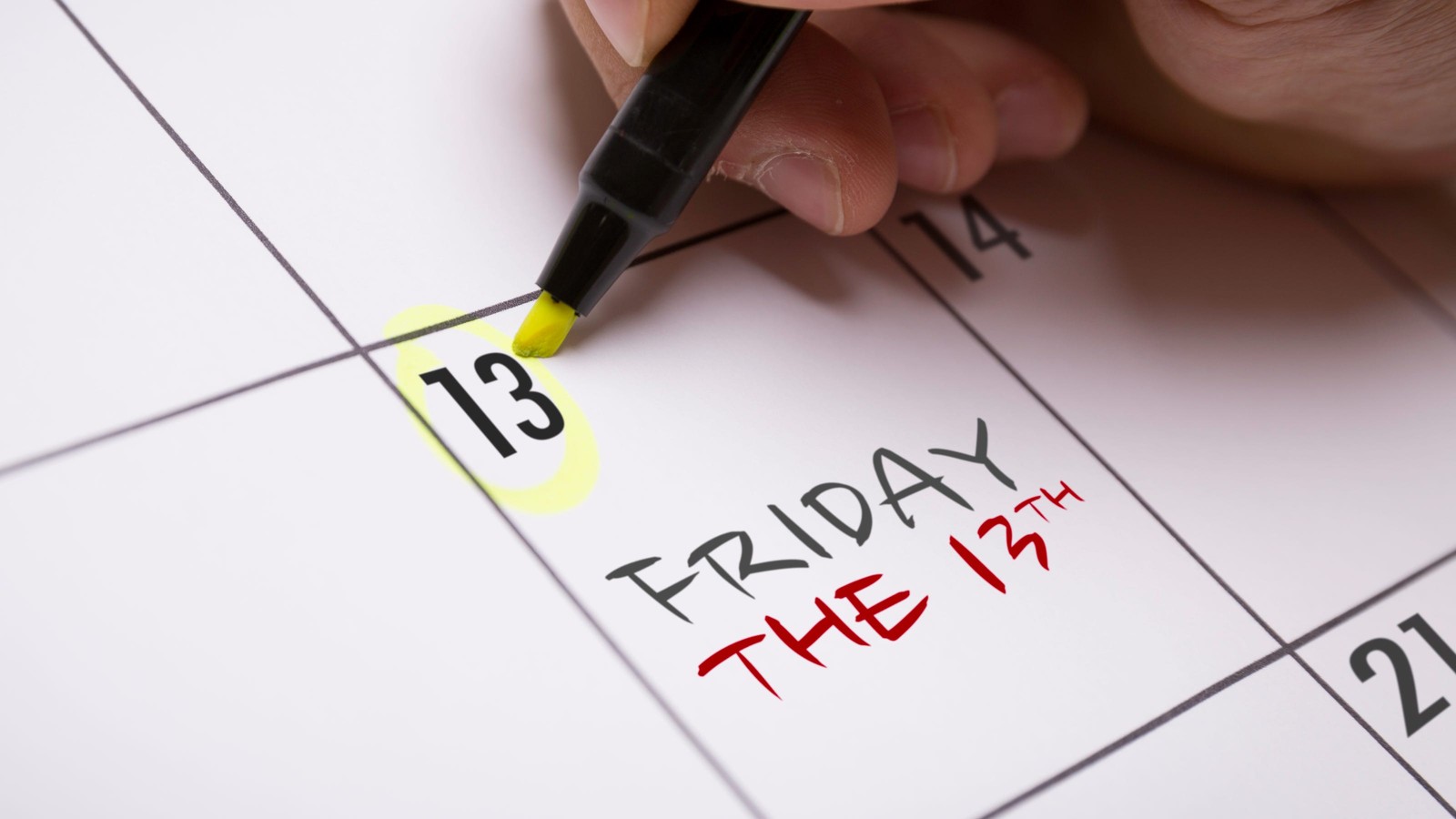
The calendar turns to Friday, February 13, 2026, marking the first of three such dates this year—a convergence that historically triggers a mix of cultural superstition and renewed interest in horror cinema. While many globally view the date with apprehension due to centuries-old beliefs, it also serves as an annual touchstone for the enduring popularity of the Friday the 13th film franchise and the broader horror genre. This recurring phenomenon prompts a closer look at both the historical roots of its unlucky reputation and its pervasive influence on popular culture.
The Deep Roots of Friday the 13th’s Unlucky Lore
The widespread belief that Friday the 13th brings bad luck is a blend of two distinct, long-held superstitions: the negative associations with the day Friday and the number 13. According to reports from The Independent and The Dispatch, Friday has historically been linked to sorrow and loss in Christian tradition, most notably as the day of Jesus Christ’s crucifixion. This association contributed to Friday becoming a day of misfortune in Western folklore.
The number 13, meanwhile, has long been considered a symbol of disruption. A frequently cited reference points to the Last Supper, where Judas Iscariot, the disciple who betrayed Jesus, is believed to have been the 13th guest. This made 13 seem imperfect compared to 12, a number often seen as complete, representing months in a year or apostles. Historians note that the fear of the combined date did not fully solidify until centuries later, gaining significant traction in the 19th and 20th centuries through literature and media.
Another pivotal historical event often cited as contributing to the superstition occurred on Friday, October 13, 1307. On this day, King Philip IV of France ordered the arrest of hundreds of Knights Templar, a wealthy Catholic crusader order. These arrests, made under pressure from Pope Clement V, were based on allegations of heresy and financial corruption, many of which were obtained under torture. This event is a widely recognized historical anchor for the date’s ominous reputation.
How the Friday the 13th Film Franchise Defined a Generation of Horror
While the superstition existed for centuries, its popular culture prominence dramatically escalated with the launch of Sean S. Cunningham’s Friday the 13th film series in 1980. This iconic horror franchise, centered around the masked killer Jason Voorhees, transformed the date into a global shorthand for cinematic terror. The films introduced numerous horror tropes, including the concept of the ‘final girl’—a resilient female protagonist who confronts the killer.
The franchise saw many iterations, including 1985’s Friday the 13th: A New Beginning, which, uniquely, featured a copycat killer rather than Jason Voorhees himself after his apparent demise in The Final Chapter. Despite its deviation, the film continued the series’ legacy, albeit with a ‘final girl’ character, Pam Roberts, who Collider notes was criticized for being more of a narrative device than an active participant in the fight against evil. The series, which eventually saw Jason Voorhees return as an unstoppable killing machine, even explored crossover ideas, with producer Frank Mancuso Jr. once considering a ‘Cheech and Chong meets Jason’ film, as revealed by director Tom McLoughlin on the Post Mortem with Mick Garris podcast, highlighting the franchise’s willingness to push boundaries, even if some ideas remained unproduced, according to Vice.
Celebrating Horror: What to Watch on Friday the 13th
Beyond the historical fears, Friday the 13th has evolved into an unofficial holiday for horror enthusiasts. USA TODAY, celebrating the current date, published a list of 25 best scary movies to watch, encouraging viewers to revisit classics or discover new favorites. The list spans nearly a century of cinema, from silent films like 1920’s The Cabinet of Dr. Caligari to modern hits like 2023’s Talk to Me.
Included are seminal works that have shaped the genre, such as Alfred Hitchcock’s The Birds (1963), George Romero’s original zombie masterpiece Night of the Living Dead (1968), and William Friedkin’s chilling The Exorcist (1973). The list also features slasher mainstays like John Carpenter’s Halloween (1978), sci-fi horror hybrids like Ridley Scott’s Alien (1979), and psychological thrillers such as Stanley Kubrick’s The Shining (1980). More recent additions like Jordan Peele’s socially resonant Get Out (2017) and Ari Aster’s unsettling Hereditary (2018) demonstrate the continuing evolution and popularity of the genre.
Despite the lack of scientific evidence proving Friday the 13th is genuinely unlucky, psychologists suggest that the superstition often acts as a self-fulfilling belief. People expecting something to go wrong may notice negative events more closely and attribute them to the date, reinforcing the belief. This psychological aspect, combined with its deep historical roots and powerful cinematic representation, ensures that Friday the 13th continues to hold a unique and captivating place in global culture, transforming a date of perceived misfortune into a widely observed cultural phenomenon.