
Quick Read
- Frontier Airlines joined other major carriers in canceling 55 US flights on September 19, 2025.
- CEO Barry Biffle publicly defended the budget airline model after United Airlines’ Scott Kirby criticized its viability.
- Spirit Airlines will cut jobs and shrink its network by 25% in November due to financial struggles.
- United Airlines is expanding routes to 15 cities, aiming to capture market share as budget rivals contract.
- Passengers are urged to check flight statuses and know their rights regarding compensation.
Chaos at American Airports as Frontier and Others Cancel Flights
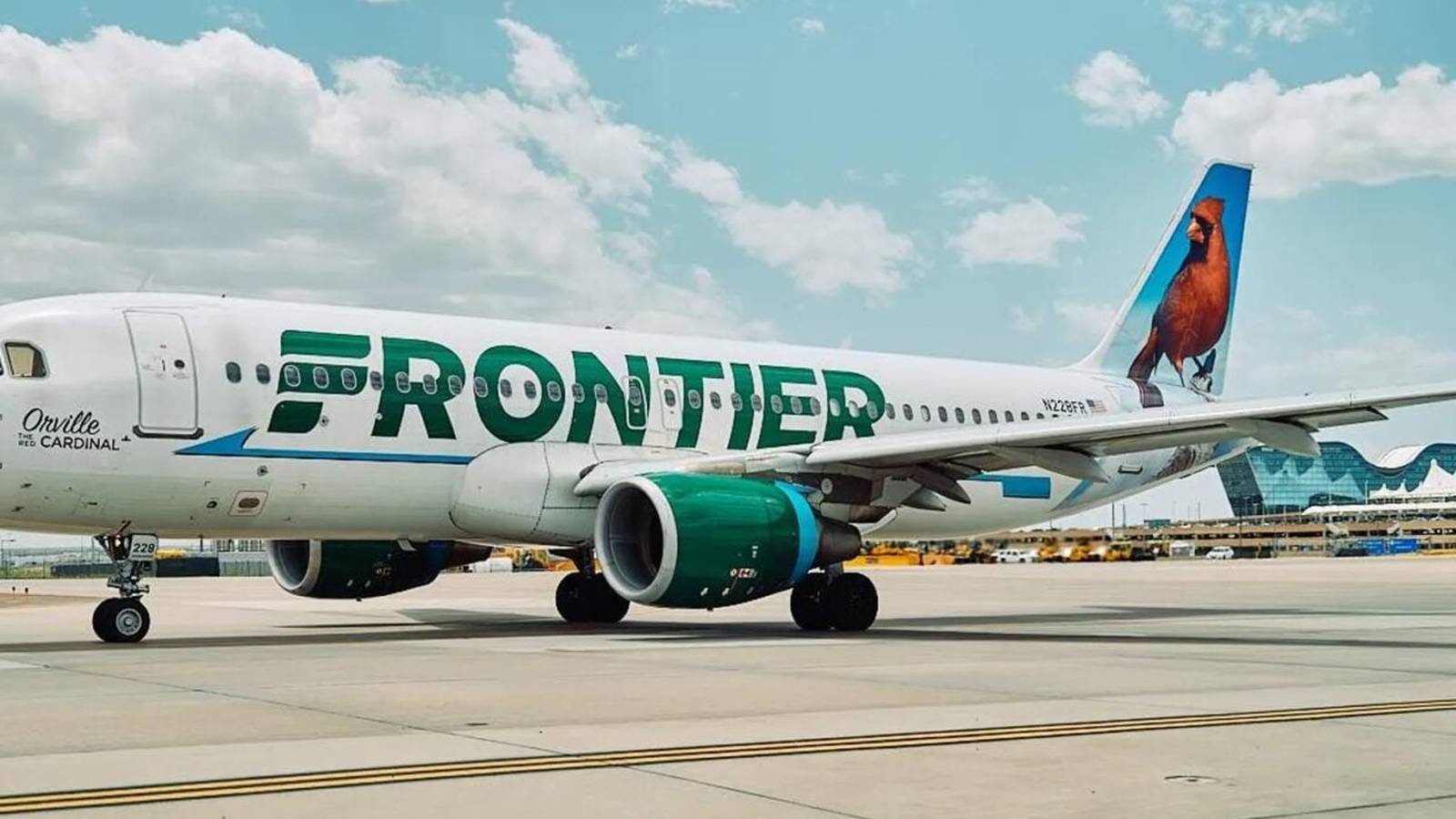
On September 19, 2025, thousands of travelers across the United States found themselves stranded as a wave of flight cancellations and delays rippled through major airports. Frontier Airlines, alongside industry giants Delta, Alaska, United, and others, was forced to cancel 55 flights, disrupting itineraries from Seattle to Newark, San Diego, and beyond. The domino effect was immediate: terminal screens flashed with red alerts, and the anxious shuffle of passengers filled airport halls. For many, the day began with a promise of travel and ended in uncertainty.
According to Travel And Tour World, the impact wasn’t limited to domestic flights. International routes faced similar turbulence, with major European and Caribbean hubs reporting delays and cancellations. Airports in Milan, Zurich, Barcelona, and Barbados joined the list, painting a picture of global aviation under pressure. Frontier Airlines, known for its budget-friendly approach, was among those scrambling to rebook passengers and manage the chaos. The travel industry’s intricate web—where a single cancellation can set off a chain reaction across continents—was on full display.
Budget Airlines Under Fire: The CEO Showdown
While passengers waited for updates, another drama unfolded far from the departure gates. United Airlines CEO Scott Kirby, in an interview with CNBC, threw down the gauntlet against budget carriers, declaring that airlines like Spirit were on the brink of collapse. “Because I’m good at math,” he quipped, suggesting that the business models of low-cost airlines simply couldn’t withstand current market pressures.
Frontier Airlines CEO Barry Biffle didn’t let the jab go unanswered. Speaking at the Skift Global Forum in New York, Biffle fired back with a pointed “That’s cute,” dismissing Kirby’s math as missing the real issue: oversupply. Biffle argued that demand for affordable travel remains robust, and the true challenge lies in too many flights chasing too few passengers—not in the budget model itself. The exchange, reported by Men’s Journal and Reuters, highlights a pivotal moment for the industry. The battle lines are drawn not just over ticket prices, but over the future shape of air travel in America.
Spirit Shrinks, United Expands: Frontier at a Crossroads
The tension in the skies is more than rhetorical. Spirit Airlines, facing financial headwinds, announced plans to cut jobs and shrink its network by 25 percent starting in November. Its CEO, Dave Davis, told staff the move was designed to “optimize our network to focus on our strongest markets.” For Frontier, Spirit’s retreat presents both opportunity and risk. Industry analysts suggest that, as Spirit downsizes, Frontier could become the largest discount airline in the US. But with United and other legacy carriers rapidly expanding into cities like Orlando, Miami, Las Vegas, and boosting flights between major hubs, the competition is fierce.
United’s strategy is clear: capture market share left behind by struggling rivals. The airline has announced new routes to 15 cities, and its winter schedule is swelling. This aggressive move is more than a business tactic—it’s a statement of confidence in the legacy carrier model, one that promises amenities and reliability in uncertain times. For budget airlines like Frontier, the path forward is less certain. High fuel costs, mounting debt, and relentless price wars threaten to erode the advantages of the low-cost model.
Passengers Caught in the Crossfire: What You Can Do
For the thousands affected by this week’s disruptions, practical concerns outweigh corporate battles. Frontier Airlines and its peers are urging passengers to stay informed, check flight statuses regularly, and contact customer service for rebooking and assistance. If you’re already at the airport, visiting the airline’s desk can sometimes yield faster solutions than waiting for digital updates.
Understanding your rights is crucial. In some regions, especially the European Union, regulations entitle passengers to compensation for significant delays or cancellations. In the US, policies vary by airline, but many offer vouchers, hotel accommodations, or alternative flights. Travel insurance, while not helpful for today’s problems, remains a smart investment for frequent flyers facing the unpredictability of modern aviation.
Finally, flexibility is key. If your flight is canceled and options are limited, consider alternative routes or even nearby airports. Some airlines may rebook you on competitors’ flights, while others prioritize their own network. In the face of widespread disruption, those willing to adapt often fare best.
The Broader Picture: A Moment of Reckoning for Budget Carriers
The drama surrounding Frontier Airlines this week is emblematic of deeper forces shaping the airline industry. Budget carriers revolutionized travel for millions by stripping away frills and focusing on low fares. But as economic pressures mount, their resilience is being tested. The public sparring between CEOs is more than personal—it’s a clash over the very future of air travel in America.
Legacy airlines argue that their focus on service and amenities will win over travelers in turbulent times. Budget airlines, meanwhile, believe that the hunger for affordable flights is too powerful to ignore. The coming year will be a crucible for both models, as Spirit’s retrenchment and United’s expansion play out against a backdrop of operational chaos and shifting consumer expectations.
In the end, Frontier Airlines stands at a crossroads, emblematic of the struggle between old and new in American aviation. The outcome will depend not only on boardroom bravado but on the ability to navigate real-world disruptions, adapt to market pressures, and keep the trust of travelers who, above all, just want to get where they’re going.