
Quick Read
- G-Dragon debuted as BIGBANG’s leader in 2006 and quickly became a global K-pop icon.
- His solo work, including ‘Heartbreaker’ and ‘Coup d’Etat,’ set new standards for artistry and innovation.
- G-Dragon’s style and openness inspired a new wave of self-expression in the K-pop industry.
- He has influenced fashion, supported philanthropy, and helped globalize Korean music.
- Despite industry changes, G-Dragon remains a touchstone for authenticity and creative evolution.
G-Dragon: The Face and Pulse of Modern K-Pop
In the world of K-pop, few names spark as much recognition and respect as G-Dragon. As the leader of BIGBANG, one of South Korea’s most influential boy bands, G-Dragon has not only defined an era but continues to steer the genre’s evolution with his singular vision and magnetic presence. For almost two decades, he’s been more than a chart-topper—he’s a tastemaker, a fashion trailblazer, and a voice for a generation that wants to be heard.
Artistry Beyond Boundaries: G-Dragon’s Signature Style
G-Dragon, born Kwon Ji-yong, burst onto the scene in 2006 as BIGBANG’s frontman, but his journey began years earlier as a trainee at YG Entertainment. From the start, he was marked by an unusual blend of raw talent and relentless ambition. What sets him apart isn’t just his lyrical prowess or his ability to engineer hits—it’s the way he bends genres, merging hip-hop, pop, and electronic music into something uniquely his own. His solo albums, such as “Heartbreaker” and “Coup d’Etat,” have become reference points for innovation in Asian pop music. These works aren’t just collections of songs—they’re statements, each reflecting a slice of his identity and vision.
G-Dragon’s artistic choices often spark debate. Is he ahead of his time, or simply unafraid to challenge expectations? For many fans and critics, the answer is both. His music and visuals routinely push the boundaries of what is considered mainstream in Korea, opening doors for younger artists who crave creative freedom.
The Ripple Effect: Shaping K-Pop’s Global Trajectory
It’s easy to forget how drastically K-pop has changed since BIGBANG’s debut. When G-Dragon and his groupmates first took the stage, international recognition for Korean artists was rare. Today, K-pop is a global phenomenon, and G-Dragon’s fingerprints are all over that transformation. From sold-out stadium tours in Europe and the U.S. to collaborations with Western icons like Missy Elliott and Diplo, he’s helped rewrite the narrative: Korean music isn’t just for Korea—it’s for the world.
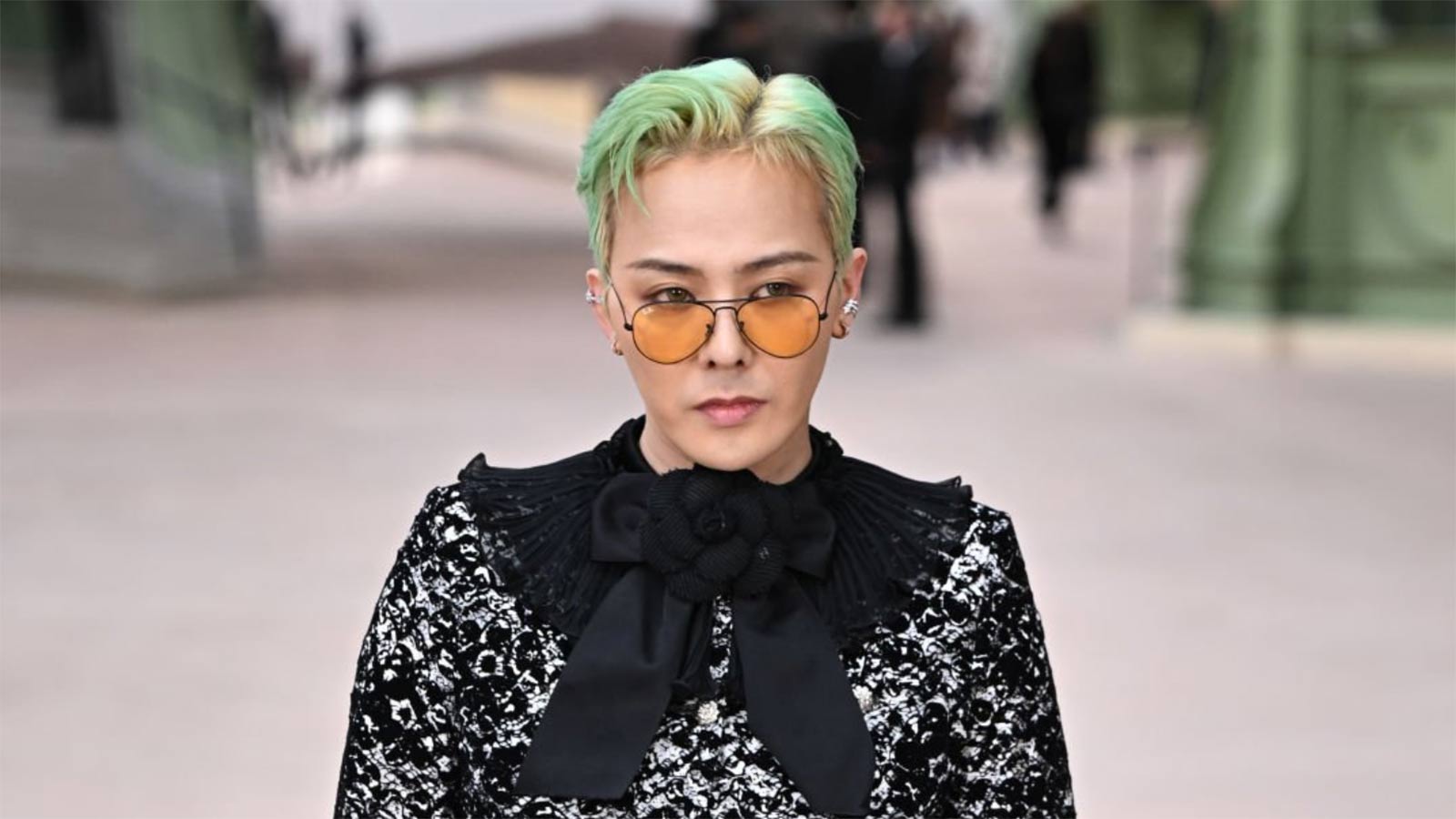
More than his music, G-Dragon’s influence is visible in the way K-pop stars now approach self-expression. Tattoos, bold hair colors, and unconventional fashion were once considered risky; today, they’re almost expected. His boundary-breaking style has inspired a generation of idols and fans to embrace their individuality, even within the highly structured system of Korean entertainment.
Leadership, Resilience, and the Human Side of Stardom
Behind the scenes, G-Dragon’s leadership has been tested by triumph and turbulence alike. BIGBANG faced controversies and personal challenges, yet his ability to hold the group together and continue producing hits is a testament to his resilience. Whether navigating the pressures of military service or the shifting dynamics of K-pop’s competitive landscape, he’s remained a steady anchor for his bandmates and fans.
G-Dragon is also known for his candid moments—those rare instances when the polished idol lets his guard down. In interviews, he’s spoken openly about the burden of expectations and the quest for authenticity. “I want to be remembered not just as an artist, but as someone who lived honestly,” he once said. This vulnerability, paired with his unyielding drive, makes his story resonate far beyond Korea’s borders.
Cultural Impact: Fashion, Philanthropy, and Social Change
G-Dragon’s influence spills over into fashion and culture. He’s a fixture at Paris Fashion Week, a muse for designers, and a trendsetter whose every look sparks imitation. In a landscape where idols are often expected to conform, he’s carved out a space for individualism and risk-taking. Brands like Chanel have embraced him, and his own label, PEACEMINUSONE, bridges streetwear with high art.
But there’s another dimension to his legacy: philanthropy. Over the years, G-Dragon has quietly supported numerous causes, from children’s hospitals to disaster relief, rarely seeking public credit. His efforts reflect a broader shift in the K-pop industry, where stars increasingly use their platforms for social good.
Looking Forward: The Next Chapter for G-Dragon and K-Pop
What’s next for G-Dragon? As K-pop enters a new era—marked by virtual bands, AI-driven content, and global tours—his continued relevance is a reminder that true artistry endures. While groups like Plave experiment with digital collaborations and new performance formats, G-Dragon’s legacy stands as proof that innovation begins with authenticity.
For fans, he remains both a symbol and a standard—a reminder that success in the music industry isn’t just about numbers, but about the courage to evolve and the heart to connect. As new waves of artists rise, G-Dragon’s journey offers a blueprint for navigating fame with integrity and vision.
Sources: JoongAng Daily, SBS Entertainment News
G-Dragon’s story is not just about music or fame—it’s about the ongoing search for meaning in a rapidly changing world. His impact on K-pop is measured not only in records broken or trends set, but in the way he’s inspired countless young people to dream bigger, dare more, and stay true to themselves. In the ever-shifting landscape of global pop culture, that may be his greatest legacy.