
Quick Read
- Gallup poll shows capitalism’s favorability in the U.S. has dropped to 54%, the lowest since 2010.
- Socialism’s favorability remains steady at 39%, with Democrats increasingly supporting it.
- Americans overwhelmingly favor small businesses (95%) but are critical of big business (37%).
- Partisan divides over economic systems are deepening, with Democrats favoring socialism more than capitalism.
- The poll reflects broader cultural and generational shifts in American values.
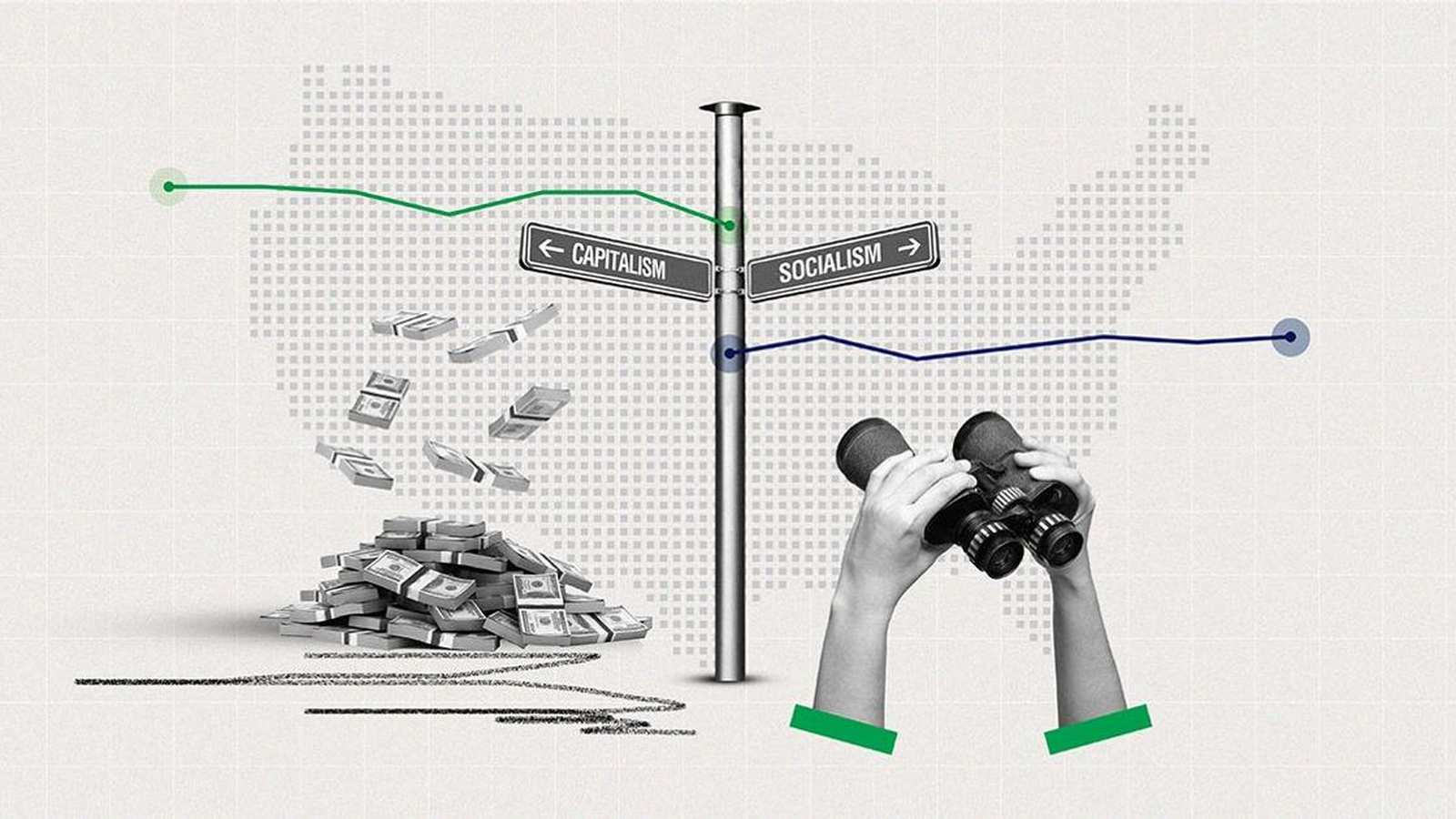
In a striking shift of public opinion, a Gallup poll released on September 8, 2025, revealed that only 54% of Americans now view capitalism positively—the lowest level recorded since Gallup began tracking this sentiment in 2010. This represents a six-point drop from 2021 and continues a trend of waning support for the U.S. economic system over the past decade. Meanwhile, socialism’s favorability has remained steady at 39%, underscoring a deepening ideological divide in American society.
Partisan Divides Shape Economic Perceptions
The poll highlights widening gaps in how Americans across the political spectrum view capitalism and socialism. Among Democrats, for the first time, less than half (42%) hold positive views of capitalism, marking an eight-point decline since 2021. By contrast, Republicans’ opinions remain largely unchanged, with 74% expressing support. Independents show a moderate decline, with 51% now favoring capitalism compared to 59% in 2021. Notably, Democrats are now the only major political group to view socialism (66%) more favorably than capitalism (42%), a trend that has been growing since 2016, according to Gallup.
These changes come amid increased visibility of Democratic figures advocating for socialist policies, such as Senator Bernie Sanders and Representative Alexandria Ocasio-Cortez. Their calls for expanded government roles in healthcare, education, and economic regulation have resonated with many within their party but remain divisive among the broader electorate.
Americans Still Favor Small Business Over Big Business
While capitalism as a whole has seen declining favorability, Americans retain overwhelmingly positive views of small businesses (95%) and free enterprise (81%), key components of the capitalist system. However, attitudes toward big business have sharply deteriorated. Only 37% of Americans now view big business positively, a nine-point drop from 2021 and part of a longer-term decline that began after its peak favorability of 58% in 2012.
The partisan breakdown reveals stark differences: 60% of Republicans still hold favorable views of big business, compared to just 36% of independents and a record-low 17% of Democrats. These figures suggest that skepticism toward large corporations, often criticized for their role in income inequality and political influence, is becoming a bipartisan issue, albeit more pronounced among Democrats.
Historical Context and Broader Trends
Gallup’s findings are part of a broader cultural and economic narrative in the United States. Since the 2010s, economic shocks, rising inequality, and generational shifts have contributed to changing perceptions of capitalism. Younger Americans, in particular, have shown growing interest in alternative economic systems, partly due to financial challenges such as student debt and housing affordability.
Interestingly, the poll also coincides with a historic low in alcohol consumption among Americans, as reported by AOL News on August 14, 2025. Only 54% of U.S. adults now drink alcohol, down from 67% in 2022. This decline is driven largely by Republicans, whose drinking rates have plummeted by 19 percentage points in two years, reflecting broader cultural shifts within the party. While seemingly unrelated, both trends highlight a period of reevaluation and change in American lifestyles and values.
The Road Ahead: What These Trends Mean
The declining favorability of capitalism and the steady, albeit limited, support for socialism raise critical questions about the future of economic policy in the U.S. As political polarization deepens, the ability to build consensus around economic reforms may become increasingly challenging. The data also underscores the importance of understanding generational and partisan differences, as younger, more diverse voters increasingly shape the nation’s political and economic landscape.
For businesses and policymakers, the message is clear: Americans are rethinking their relationship with economic systems and institutions. Whether this leads to meaningful reforms or further polarization remains to be seen.
As the United States navigates these ideological shifts, the Gallup data serves as a crucial barometer of public sentiment, offering insights into the evolving dynamics of American society.