
Quick Read
- An Coimisiún Pleanála has officially approved the €1bn N6 Galway City Ring Road project after nearly three decades of planning.
- The 18km orbital route is scheduled for construction in 2028, aiming to alleviate severe traffic congestion between east Galway and Connemara.
- Local officials and urban planners warn that the road’s success depends on integrating it with public transport schemes like BusConnects to prevent induced traffic demand.
An Coimisiún Pleanála has officially granted planning permission for the N6 Galway City Ring Road, ending a 27-year saga of planning, legal challenges, and environmental review. The €1 billion project, which aims to connect the M6 motorway east of Galway to the west of Bearna, represents one of the most significant infrastructure investments in the history of the west of Ireland.
Infrastructure Significance and Regional Connectivity
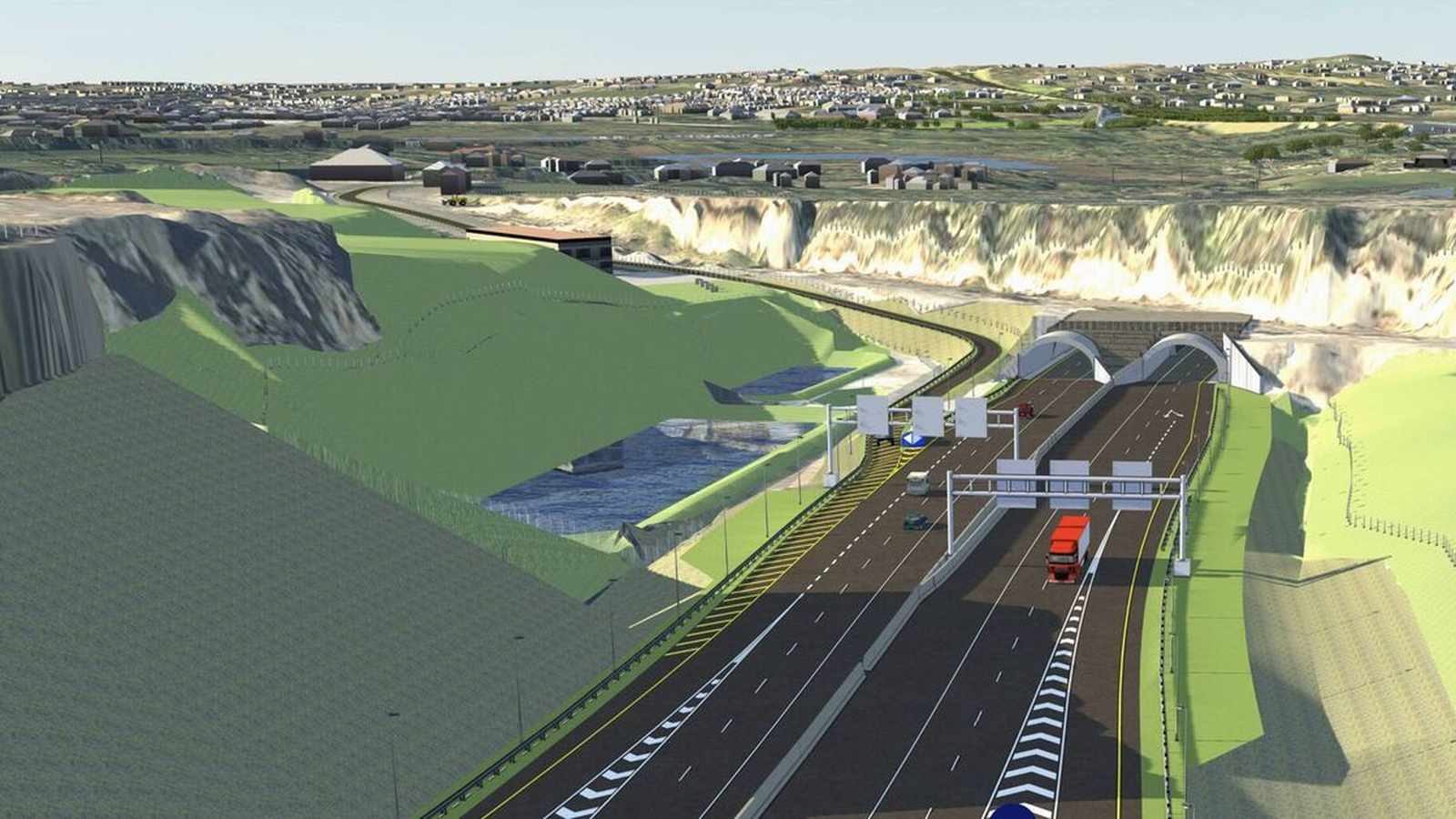
The approved 18km route includes a new crossing over the River Corrib, designed to alleviate the chronic gridlock that has long constrained the city’s economic growth and daily life. While the project was first conceived in the late 1990s, it faced repeated setbacks, most notably a 2013 shelving following a European Court of Justice ruling regarding its impact on protected habitats. Subsequent revisions have refined the route to satisfy environmental requirements, and officials now view the construction as a cornerstone for unlocking regional potential.
The Balance Between Road Capacity and Urban Planning
Despite the approval, local leaders and urban planners are emphasizing that the ring road is not a singular solution to traffic congestion. Galway Mayor Mike Cubbard noted that while the project will improve connectivity between east Galway and Connemara, it must be integrated with broader public transport initiatives to avoid the phenomenon of induced demand. Stakeholders, including the Galway Commuter Coalition, are calling for the simultaneous delivery of the Galway BusConnects programme and further investment in light rail to ensure the new road space actually facilitates sustainable urban movement rather than just shifting traffic patterns.
Construction Timelines and Development Constraints
For the development sector, the approval changes the risk profile of the region from constrained to conditional. According to industry analysts at Roundtower Capital, the project—targeted for construction beginning in 2028—is expected to activate land that was previously undevelopable. However, experts warn that infrastructure sequencing remains a critical bottleneck. Even with the road project moving forward, residential and commercial growth will remain tethered to the capacity of the region’s wastewater and electrical grid infrastructure, which currently face their own significant, independent delivery timelines.
The approval of the N6 Galway City Ring Road signals a transition from decades of planning paralysis to a complex execution phase, where the ultimate success of the project will depend less on the road itself and more on the state’s ability to synchronize its delivery with essential public transport and utility capacity upgrades.