
Quick Read
- A suspected gas explosion caused a partial collapse at a Bronx high-rise in Mott Haven Wednesday morning.
- No injuries have been reported so far, but emergency crews are conducting a major incident response.
- The building’s incinerator shaft appears to have triggered the collapse.
- Con Edison shut off gas lines to prevent further risk.
- Traffic delays and evacuations are ongoing in the affected area.
Emergency Response Engulfs Mott Haven After High-Rise Collapse
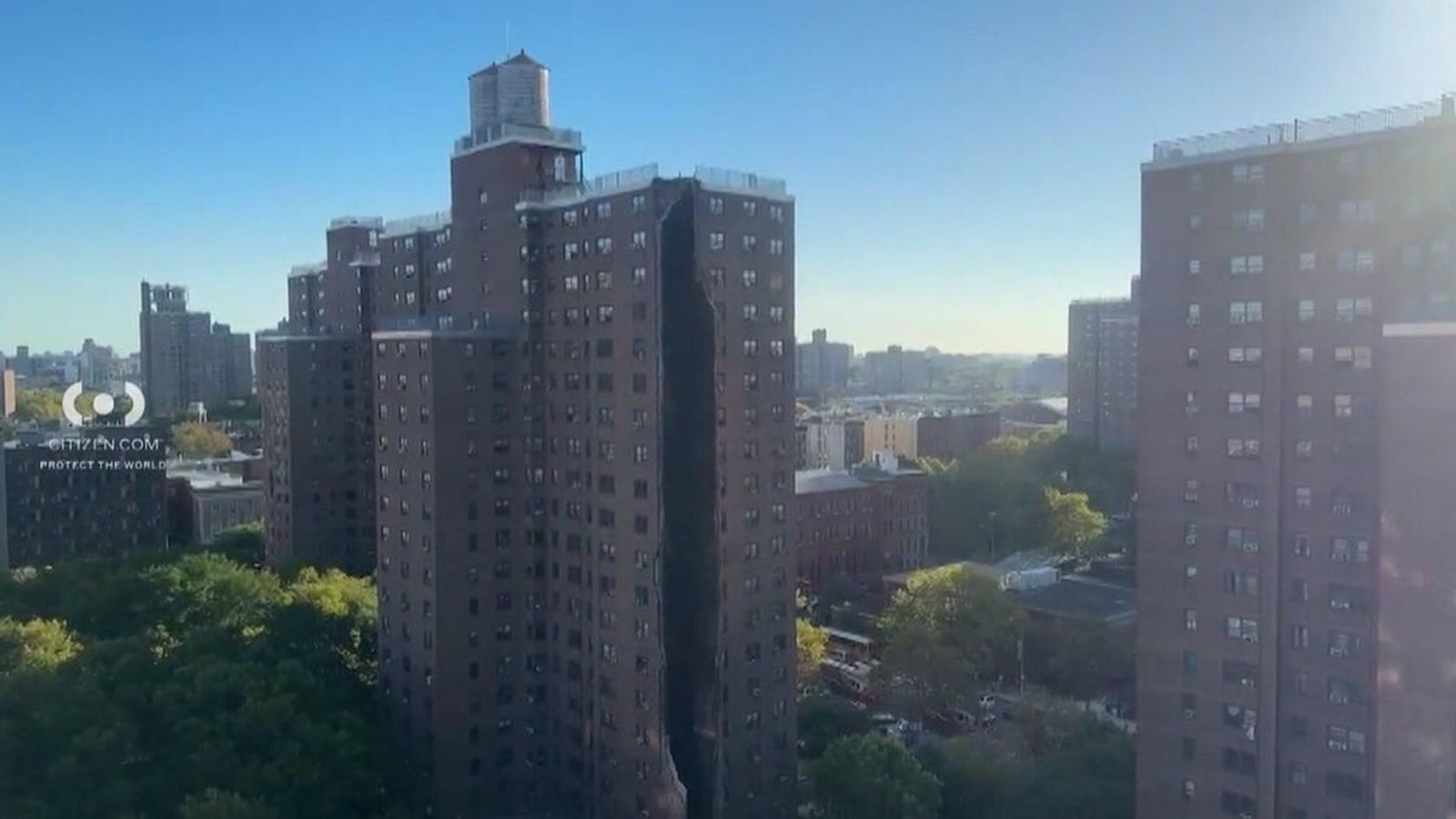
On a brisk Wednesday morning in New York City, the calm of Mott Haven was shattered. At precisely 8:10 a.m., residents of the Mitchel Houses—a cluster of high-rise apartment buildings along Alexander Avenue in the Bronx—were jolted awake by a powerful blast. Within moments, the skyline was changed: bricks and debris rained down onto the street, the façade of a towering building torn open, and the echo of sirens filled the air. The culprit, authorities say, was a suspected gas explosion that led to a partial collapse of the building’s incinerator shaft, thrusting the neighborhood into chaos and uncertainty.
Scene of the Collapse: Debris, Rescue, and Unanswered Questions
Videos shared on social media rapidly spread the news. One clip, taken from a passing vehicle, captured the gaping wound along the side of the high-rise—twenty stories tall, now marked by destruction. The FDNY rushed to the scene, their presence unmistakable as firefighters dug through the rubble, searching for anyone who might be trapped beneath the fallen bricks. Specialized rescue teams deployed drones and K-9 units, scouring every inch for signs of life. ABC7NY reported that, so far, no injuries have been confirmed—a rare stroke of luck given the scale of the incident.
For the residents and bystanders, the experience was surreal. Dust filled the air; the smell of gas lingered. Across the street, a local school stood silent, its fate uncertain as officials evaluated the need for evacuation. Emergency vehicles blocked off Alexander Avenue, and traffic ground to a halt as drivers faced heavy delays, forced to detour around the disaster zone.
Investigating the Cause: Gas Infrastructure Under Scrutiny
As first responders secured the perimeter, the focus shifted to the underlying cause. Early indications suggest the explosion originated in the building’s incinerator shaft, a common feature in older high-rises. The shaft, meant to funnel waste safely out of the building, became the epicenter of destruction. The blast’s force was enough to compromise the building’s structural integrity, sending part of the exterior tumbling to the ground.
Con Edison, the city’s utility provider, was called in to shut off gas lines and prevent further danger. The company’s crews worked alongside firefighters, inspecting valves and meters for leaks. The incident has reignited concerns about aging infrastructure in New York, where thousands of buildings rely on gas lines installed decades ago. As CBS New York notes, the risk to both civilians and first responders remained high throughout the morning, prompting a major incident response.
Community Impact: Residents Displaced, Safety Questions Linger
For those who call the Mitchel Houses home, the collapse was more than a headline—it was a personal crisis. Many residents found themselves unable to return to their apartments, anxiously waiting for news about the safety of their homes. Emergency shelters were prepared nearby, and city officials coordinated with local organizations to provide food, water, and support for displaced families.
The collapse also sparked renewed debate about safety standards in city housing. The Mitchel Houses, like many public housing complexes in the Bronx, serve thousands of low- and middle-income residents. Advocates are demanding a thorough review of maintenance protocols, with some pointing to chronic underfunding and deferred repairs as contributing factors. The presence of a school just across the street added urgency, as parents and educators called for transparent communication about future risks.
Official Response and the Road Ahead
New York City officials, including representatives from the Department of Buildings and the Mayor’s Office, arrived on site to assess the damage. Their immediate priority was safety—ensuring that no one remained trapped and that secondary collapses could be prevented. The FDNY’s swift action, deploying advanced search technologies and coordinating with utility crews, was widely praised by local leaders.
As the dust settled, attention turned to recovery. Structural engineers began evaluating the remaining sections of the building, searching for cracks or weaknesses that might signal further risk. City agencies promised a transparent investigation, vowing to publish their findings once the scene was secure.
Meanwhile, the Mott Haven community is left grappling with lingering anxiety. For many, the explosion was a reminder of how quickly life can be upended—and how vital it is for city leaders to prioritize safety in public housing.
Looking Forward: Lessons and Accountability
Though no injuries have been reported as of Wednesday afternoon, the psychological impact on residents and first responders cannot be ignored. The sight of a collapsed high-rise, the uncertainty about what comes next, and the questions about whether this could happen again—all weigh heavily on those affected.
This incident has already spurred calls for a citywide audit of gas systems and building safety measures. The hope, echoed by many in the Bronx, is that the Mott Haven collapse will serve as a catalyst for long-overdue reforms. As the investigation continues, residents, officials, and advocacy groups are united in their demand for answers—and for action that ensures such disasters become a thing of the past.
The Mott Haven gas explosion and subsequent building collapse highlight the complex interplay between aging infrastructure, public safety, and urban resilience. While the lack of injuries is a relief, the episode exposes vulnerabilities that demand immediate attention from city leaders and utility companies. As New York recovers, the lessons learned here may shape the future of housing safety for millions.