
Quick Read
- The Gaza conflict has resulted in over 64,000 deaths, with civilians making up a significant portion of casualties.
- The conflict began in 2023 following a Hamas-led attack on southern Israel, escalating tensions in the region.
- Living conditions in Gaza have deteriorated drastically, with widespread displacement, famine, and infrastructure destruction.
- Efforts to reach a ceasefire have repeatedly failed due to incompatible demands from both sides.
- The international community remains divided, with calls for immediate humanitarian aid and long-term peace solutions.
The Gaza conflict has become one of the most devastating and prolonged disputes in modern history, leaving an indelible mark on the region. With a reported death toll surpassing 64,000 individuals, the humanitarian crisis has drawn global attention and criticism. This article delves into the causes, progression, and impacts of the conflict, aiming to provide a comprehensive understanding of its complexities.
The Origins of the Gaza Conflict
The roots of the Gaza conflict trace back to decades of tension between Israel and Palestine, stemming from territorial disputes, political disagreements, and deep-seated historical grievances. Gaza, a densely populated strip of land along the Mediterranean, has been a focal point of Israeli-Palestinian confrontations. In 2023, the conflict escalated dramatically when Hamas, the governing body in Gaza, launched a large-scale attack on southern Israel, resulting in over 1,200 Israeli deaths and numerous abductions. This attack triggered a powerful Israeli military response, marking the beginning of an intense and prolonged war.
The Humanitarian Toll
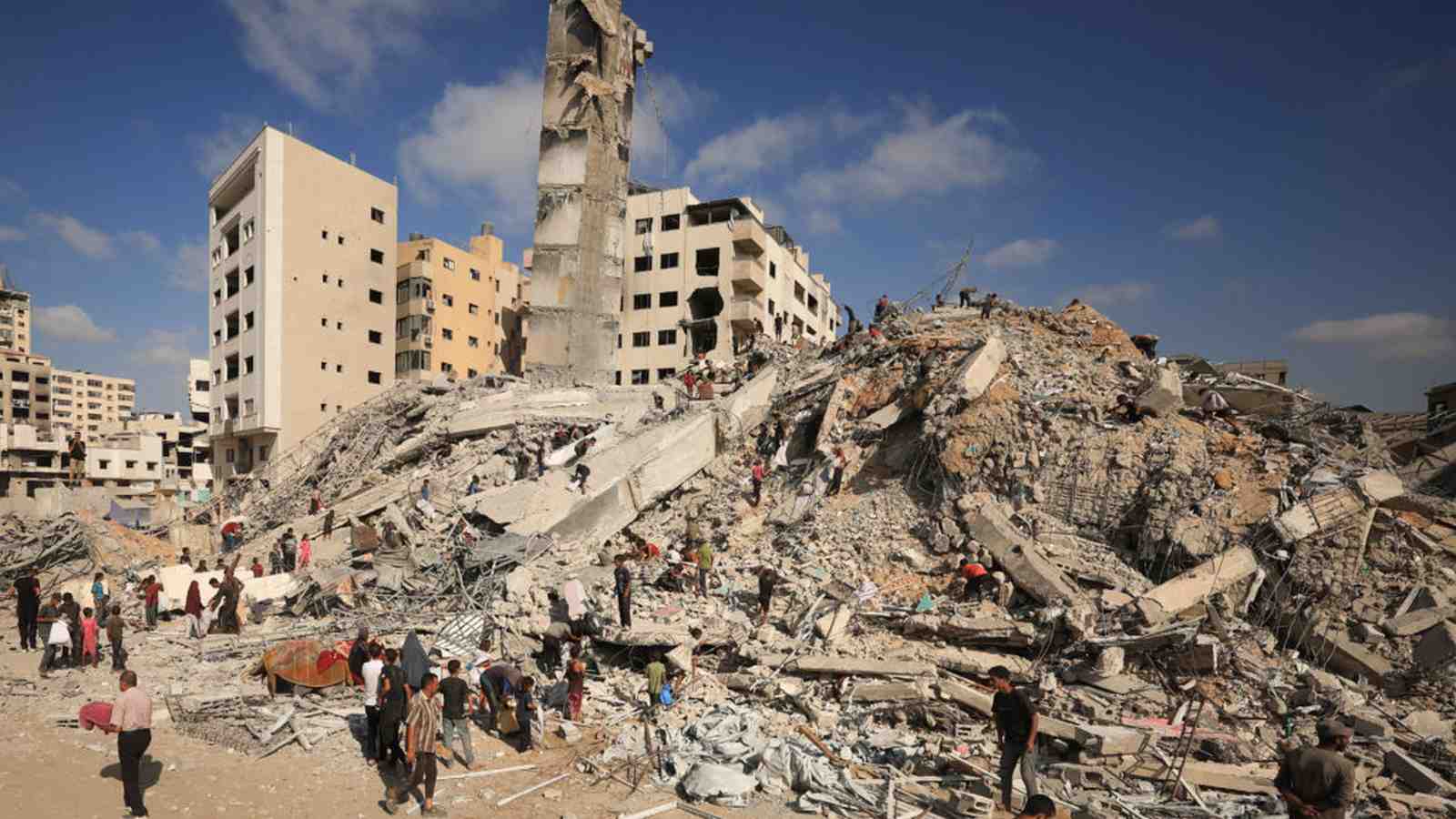
Over the course of nearly two years of conflict, Gaza has experienced unprecedented levels of destruction. According to the Gaza Health Ministry, more than 64,000 Palestinians have lost their lives. Women and children constitute approximately half of these casualties, reflecting the disproportionate impact on civilians. The conflict has decimated essential infrastructure, leaving millions without access to adequate shelter, food, or medical care. Hospitals, including the prominent Shifa Hospital in Gaza City, have been overwhelmed by the influx of wounded individuals, many of whom are victims of airstrikes targeting densely populated areas.
International aid organizations have repeatedly sounded alarms about the dire living conditions in Gaza. Many families, displaced multiple times due to continuous bombardments, have been forced to live in makeshift tents with inadequate sanitation and water supplies. The situation has been further compounded by famine-like conditions caused by restrictions on food imports into the territory.
Key Events and Escalations
The conflict has been marked by a series of escalations and retaliatory strikes. Israeli forces have targeted high-rise buildings in Gaza City, alleging that Hamas uses these structures for military purposes. These strikes have led to significant civilian casualties and widespread displacement. The Israeli military has also declared certain areas as “humanitarian zones,” urging Palestinians to relocate. However, the lack of adequate shelter and resources in these zones has left many Palestinians with nowhere to go.
Efforts to negotiate ceasefires have repeatedly broken down, with both sides presenting incompatible demands. Hamas has called for the withdrawal of Israeli forces, the opening of border crossings, and the release of Palestinian prisoners. In contrast, Israel has insisted on the complete disarmament of Hamas and the return of hostages. These stalemates have prolonged the conflict, exacerbating the suffering of civilians.
International Response and Criticism
The international community has been deeply divided in its response to the Gaza conflict. While some nations have supported Israel’s right to defend itself against Hamas-led attacks, others have criticized the disproportionate use of force and the high civilian death toll. Human rights organizations have accused both sides of violating international humanitarian laws, with particular emphasis on the targeting of civilian areas.
The United Nations and other global entities have called for immediate ceasefires and increased humanitarian aid to Gaza. However, logistical challenges and security concerns have hindered the delivery of essential supplies. The ongoing blockade of Gaza has further restricted the flow of aid, leaving millions in desperate need.
The Path Forward
As the conflict continues, the path to peace remains fraught with challenges. Both sides must address the underlying causes of the dispute, including territorial rights, political representation, and security concerns. International mediators have emphasized the need for a two-state solution as a long-term resolution, but achieving this goal requires significant compromises from both parties.
In the meantime, prioritizing humanitarian relief and protecting civilian lives should be the immediate focus. The international community must work collectively to alleviate the suffering in Gaza and support efforts to rebuild the region’s infrastructure.
The Gaza conflict serves as a stark reminder of the devastating human cost of war. With over 64,000 lives lost, the urgency for a peaceful resolution has never been greater. Understanding the complexities of this conflict is essential for fostering dialogue and finding sustainable solutions for the future.