
Quick read
- Israeli strikes in Gaza have escalated, forcing mass displacement.
- Doctors Without Borders labels these displacement orders as psychological warfare.
- The EU criticizes the disproportionate impact on civilians in Gaza.
- Over 600,000 Palestinians have been displaced since March.
- Humanitarian aid remains largely blocked, worsening the crisis.
Why displacement orders are causing a humanitarian crisis
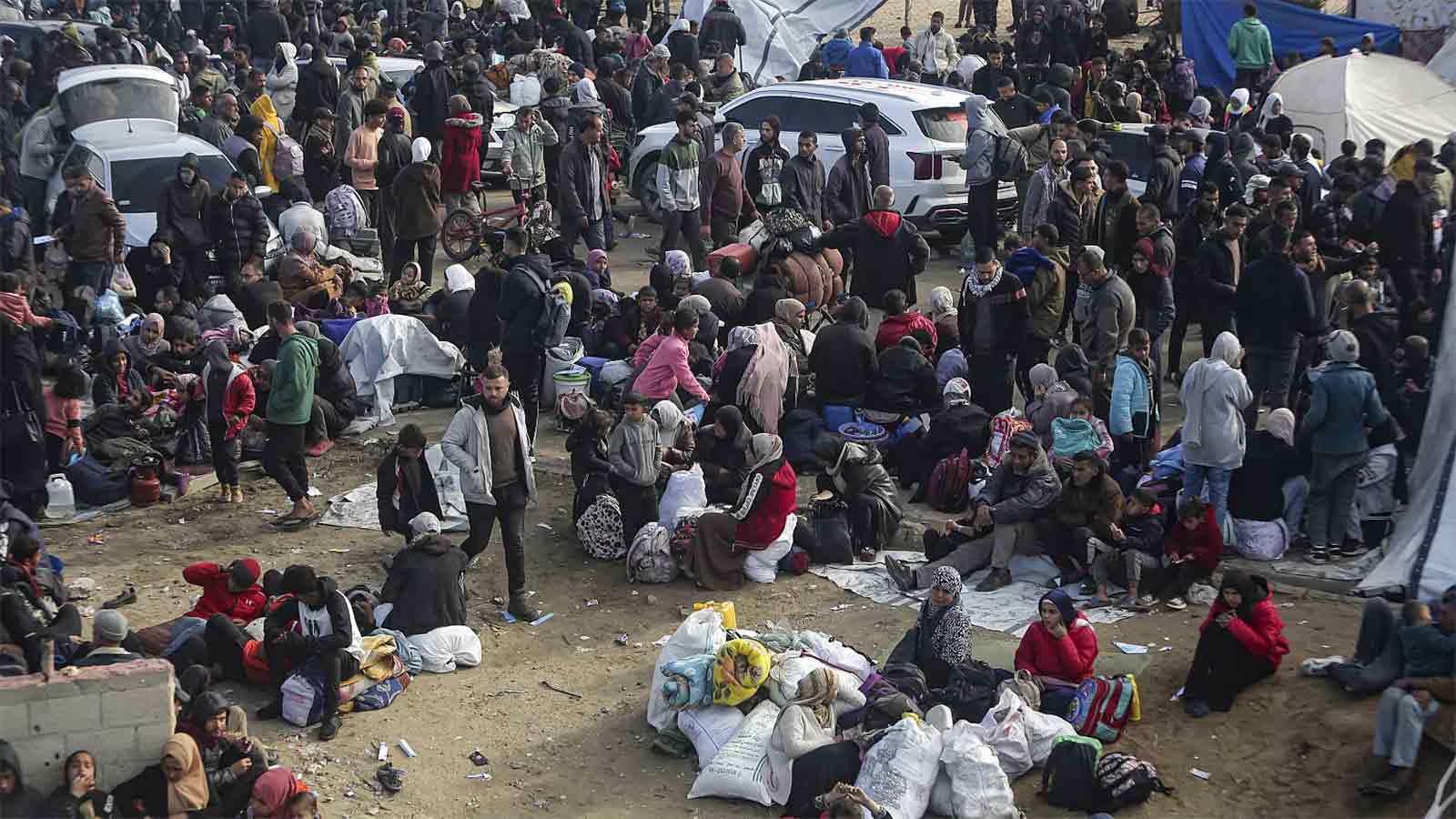
Israeli military strikes in Gaza have intensified, leading to the forced displacement of hundreds of thousands of Palestinians. According to Doctors Without Borders, these sudden displacement orders are creating immense physical and psychological stress for those affected. Entire neighborhoods are being evacuated with minimal notice, leaving families with no safe refuge. This constant state of alert, coupled with the destruction of basic infrastructure, has left the population in a dire state.
Impact on mental health and living conditions
The unpredictability and frequency of displacement orders have had a severe impact on the mental health of Gaza’s residents. As noted by Doctors Without Borders, many individuals, including their staff members, have been displaced multiple times, often in the middle of the night. This repeated upheaval, combined with the loss of homes and access to basic necessities, has created a sense of despair and hopelessness among the population.
One displaced resident described the harrowing experience of waking her children at night to flee their home, not knowing where they would find safety. Such accounts highlight the immense emotional toll these forced evacuations are taking on families.
International criticism of Israel’s actions
The European Union has expressed strong criticism of Israel’s military actions in Gaza. EU foreign policy chief Kaja Kallas stated that the strikes go beyond what is necessary to combat Hamas, disproportionately affecting civilians. According to BBC, the EU has also condemned the blockade of humanitarian aid, which has severely limited the delivery of essential supplies to Gaza’s 2.1 million residents.
Other international leaders, including those from the UK, France, and Canada, have also called for an end to the military offensive. These statements reflect growing global concern over the humanitarian impact of the conflict.
The role of humanitarian aid and ongoing challenges
Despite some easing of the blockade, humanitarian aid remains largely inaccessible to those in need. The new aid distribution system, supported by the US and Israel, has faced criticism for bypassing established organizations like the UN. According to BBC, this approach has been deemed unethical and ineffective, further complicating efforts to address the crisis.
Meanwhile, the lack of adequate shelter and resources has left displaced families struggling to survive. Overcrowded conditions and shortages of food, water, and medical supplies have exacerbated the suffering of those forced to flee their homes.
What lies ahead for Gaza’s displaced population?
The ongoing conflict and displacement orders show no signs of abating. With nearly 80% of Gaza now designated as no-go zones, residents are running out of places to seek refuge. Humanitarian organizations have called for an immediate halt to the forced displacements and a renewed focus on protecting civilian lives.
As the international community continues to debate its response, the people of Gaza remain caught in an increasingly dire situation. The need for a coordinated and effective humanitarian effort has never been more urgent.
The escalating crisis in Gaza underscores the devastating human cost of ongoing conflict. Addressing the immediate needs of displaced populations and ensuring their safety must be a global priority.