
Quick Read
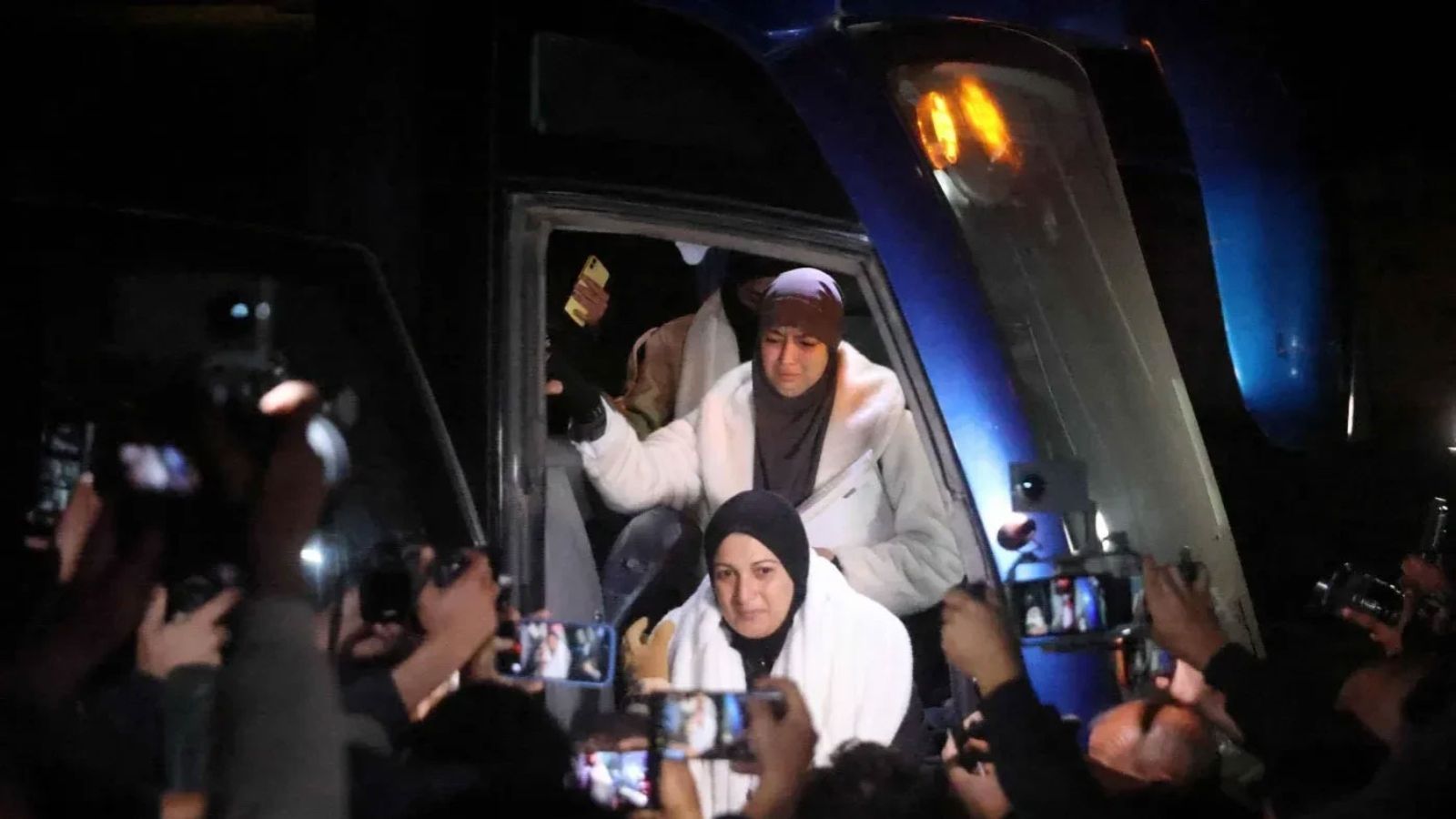
- First group of Palestinians has returned to the Gaza Strip to receive medical care, described as an important step for aid access.
- Officials say the move could ease urgent medical needs in Gaza.
- The development comes amid ongoing humanitarian efforts to restore health services and supply chains.
- Details on numbers, timing, and routes have not been disclosed in the source material.
A first group of Palestinians has returned to the Gaza Strip, a development described by officials as an important step toward facilitating medical assistance. The move, while modest in scope, is being framed as a practical step aimed at improving access to urgent healthcare for those stranded inside the territory. At this early stage, details about how many people are involved, when they returned, or through which corridors the movement occurred have not been publicly disclosed.
The Gaza Strip has long faced a humanitarian crisis in which medical services contend with shortages of essential medicines, limited inventory for routine and urgent care, and disruptions to power and supply lines. Hospitals and clinics in Gaza have repeatedly warned that even routine procedures can become life-threatening when resources run low, and patients often must navigate complex routes to seek specialized care outside the enclave. In this context, any movement that promises to unlock or streamline access to medical attention is viewed as an immediate, tangible relief for doctors and families anxious about a loved one’s condition.
Observers say that the return of patients or potential patients to Gaza for treatment underscores the need for safe, predictable pathways for medical travel. International and regional aid groups have long pressed for corridors that allow patients, medical teams, and essential supplies to move with less delay and fewer bureaucratic hurdles. When such corridors are opened, even temporarily, they can help reduce backlogs at local facilities and enable the referral system that many Gaza-based clinicians rely on for complex or life-saving interventions.
Beyond the immediate health implications, the episode highlights the fragile, ongoing dynamic between humanitarian access and security considerations in the region. Aid organizations emphasize that sustained improvement in medical access requires more than isolated movements; it requires coordinated, continuous commitments from all sides to keep corridors open, ensure safety for patients and medical staff, and guarantee the timely delivery of medicines, equipment, and diagnostic supplies. In the absence of broader political agreements, these efforts are often episodic, dependent on negotiations and verified security guarantees rather than routine policy changes.
The broader humanitarian landscape remains challenging. Gaza’s population continues to endure electricity outages, damaged infrastructure, and the persistent strain of medical shortages. International aid actors have repeatedly called for increased support to healthcare facilities, including the supply of essential medications, vaccines, and life-support equipment, as well as reliable energy provisions to power hospitals and diagnostic centers. In this context, even a single, documented movement of patients back into Gaza for treatment can be perceived as a barometer of whether aid channels might be evolving toward greater reliability or remain subject to the vicissitudes of security and political dynamics.
As with any development of this nature, much remains uncertain. The exact scale of this first movement, the conditions under which it occurred, and the plans for future access are not yet public. Analysts caution that one step, however significant symbolically, is not a substitute for a broad, durable framework that guarantees continuous medical access for Gaza’s residents. The coming weeks and months will be telling as officials, aid agencies, and healthcare providers assess the impact of this development on hospital admissions, patient referrals, and the ability to maintain a steady supply chain for medicines and equipment. Until more information is available, observers will be watching for announcements about procedures, safety assurances, and any expansion of access that could meaningfully alter the trajectory of Gaza’s healthcare crisis.
FINAL ANALYSIS: This development signals a cautious step toward improving medical access in Gaza, but its real significance will depend on sustained, predictable corridors for patients and supplies and on ongoing political and security commitments from all parties involved.