
Quick Read
- The Geminid meteor shower peaks the night of December 13–14, 2025.
- Up to 120–150 meteors per hour may be visible under dark, clear skies.
- The Geminids originate from asteroid 3200 Phaethon, not a traditional comet.
- Best viewing is after 10 p.m. with a moonless sky until about 2 a.m.
- Look for meteors radiating from the constellation Gemini, but they can appear anywhere overhead.
Peak Viewing: When and Where to Watch the Geminids in 2025
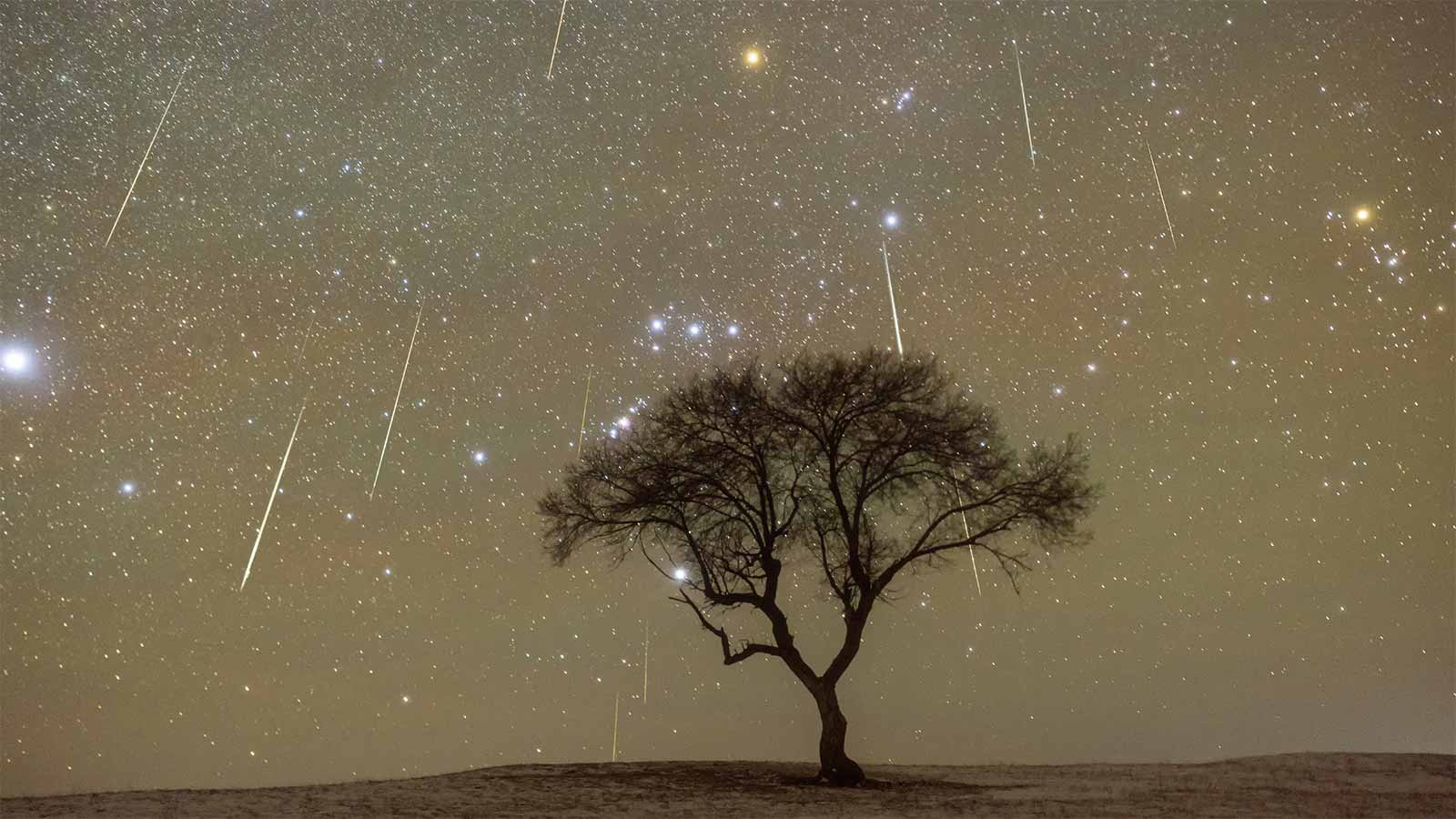
Every December, stargazers across the globe look forward to the Geminid meteor shower—a spectacular cosmic event that consistently delivers one of the year’s most dazzling night sky displays. In 2025, the Geminids will peak during the night of Saturday, December 13, into the early hours of Sunday, December 14, offering an optimal window for catching dozens, even hundreds, of ‘shooting stars’.
According to Forbes and World Journal Newspaper, observers in both hemispheres will be able to enjoy this show, but the best views are reserved for those under dark, clear skies. The shower’s radiant—the point in the sky from which the meteors seem to emerge—lies in the constellation Gemini, which climbs high above the horizon before midnight. This is good news for those who prefer not to stay up all night; the Geminids can be seen as early as 10 p.m. and continue well past midnight.
For viewers in Australia, as The Guardian reports, the prime viewing time is between 2 a.m. and 3:30 a.m. AEDT, with northern regions like Darwin and Cairns offering the most prolific displays—potentially up to 80 or 90 meteors per hour under ideal conditions. In North America and Europe, pristine rural locations away from artificial light can yield rates as high as 120–150 meteors per hour.
What Makes the Geminids Different?
Most meteor showers are the handiwork of comets: icy bodies that shed dust and ice as they approach the sun, leaving behind a trail of debris. But the Geminids are a cosmic oddity. Their parent body is not a traditional comet but a rocky asteroid named 3200 Phaethon. This distinction has long fascinated astronomers, who have dubbed Phaethon a “rock comet.” According to astrophysicist Prof. Jonti Horner, cited in The Guardian, the Geminids are the only major meteor shower known to be caused by an asteroid rather than an icy comet.
3200 Phaethon is named after the mythological son of Helios, the sun god, in Greek legend. Its orbit takes it perilously close to the sun, and its debris trail is the source of the Geminids. Unlike the fleeting, fast meteors of other showers, Geminid meteors tend to be bright, slow, and sometimes display a rainbow of colors, often leaving glowing trails as they streak across the sky. Research published in 2023, referenced by Forbes, suggests the Geminid debris field may have formed during a dramatic event—a collision or explosion involving Phaethon thousands of years ago.
Viewing Tips: How to Maximize Your Geminid Experience
While the numbers are enticing—up to 150 meteors per hour—the real-world experience depends on a few key factors. First, get as far away from city lights as possible. Dark, unobstructed skies are essential. Lie back and let your eyes adjust to the darkness for at least 20 minutes. There’s no need for telescopes or binoculars; the Geminids are best enjoyed with the naked eye as their meteors can appear anywhere in the sky, not just near Gemini.
The moon, often a nemesis for meteor watchers, will cooperate this year. A waning crescent moon rises around 2 a.m. local time on December 14, so the prime hours before that are moonless, providing optimal darkness. Even after moonrise, facing away from the moon—preferably westward—can help reduce glare and increase meteor visibility, as noted by the American Meteor Society and Forbes.
Weather is the final wildcard. Clear skies are essential, so check your local forecast. If clouds threaten, consider traveling to a location with better odds. And remember, patience pays off: the longer you watch, the more likely you are to catch the brightest and most memorable streaks.
Behind the Show: The Cosmic Mechanics of Meteor Showers
So, what causes this annual light show? As the Earth travels around the sun, it regularly passes through streams of cosmic debris. Think of our planet as a car circling a massive roundabout; each December, Earth re-enters the same dusty path left behind by 3200 Phaethon. When these tiny fragments slam into our atmosphere at tens of kilometers per second, friction causes them to vaporize in brilliant flashes of light—what we call meteors.
Most meteor showers are fleeting, with short windows of high activity. The Geminids, however, are known for their reliability and extended peak, making them a favorite among amateur and professional astronomers alike. The debris stream is dense and wide, ensuring a steady supply of meteors for several nights around the peak.
For extra celestial drama, this year’s Geminids coincide with other noteworthy sky sights. Early risers on December 18 will spot a beautiful conjunction of the crescent moon, Mercury, and the red supergiant star Antares in the pre-dawn sky, as highlighted by World Journal Newspaper. These added cosmic companions serve as a reminder of how dynamic and interconnected our night sky truly is.
While the Geminids take center stage this December, the cosmos always has more in store. For those already looking ahead, the next major astronomical event will be a total lunar eclipse on March 3, 2026—a date to mark for sky enthusiasts everywhere.
The Geminid meteor shower stands out not only for its luminous display but for its origin story—a rare blend of rocky asteroid heritage and dramatic cosmic history. Each December, this shower offers a vivid reminder that even in the darkness, the universe is alive with motion, mystery, and moments of awe for those willing to look up and wait.