
Quick Read
- Moroccan Gen Z protests have continued for over a week, driven by frustration over unemployment and poor public services.
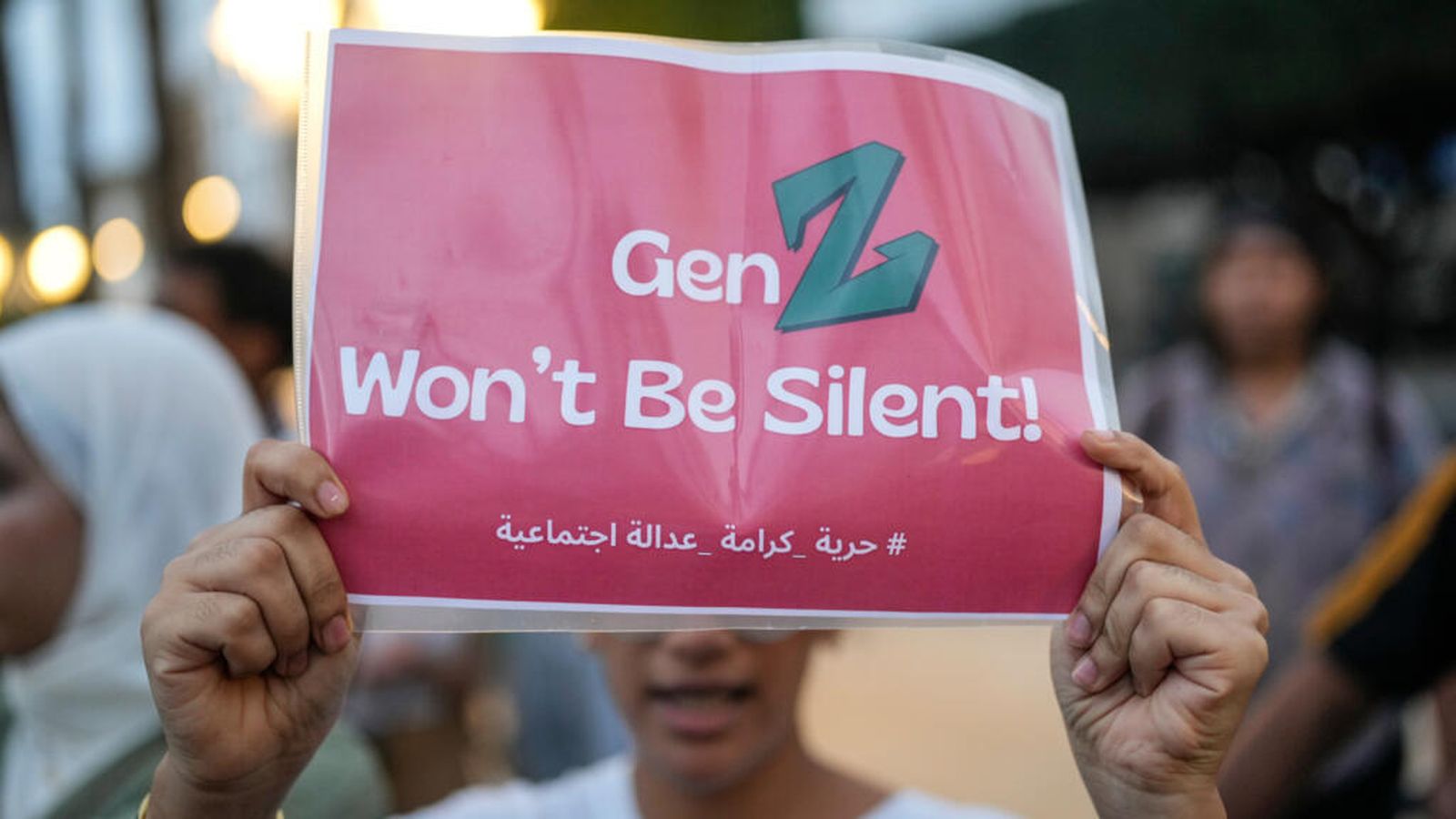
- Gen Z 212, organized on Discord, has mobilized 180,000+ young people in cities nationwide.
- The government is spending heavily on World Cup infrastructure, while hospitals and schools remain underfunded.
- Clashes with police led to casualties, but most protests have remained peaceful.
- Authorities now call for dialogue, but skepticism persists among youth.
Gen Z’s Digital Movement Ignites Morocco’s Streets
For more than a week, Morocco’s cities have been rattled by the voices of a generation refusing to be ignored. From Rabat’s stately boulevards to the sun-washed avenues of Agadir, young Moroccans are showing the world that they will not remain silent about their future. The protests, spearheaded by the grassroots collective Gen Z 212, have swept across the country, spotlighting the stark divide between government priorities and the everyday realities of the population.
What sets these protests apart is not just their scale, but their organization. Gen Z 212, whose name combines the cohort’s identity with Morocco’s international dialing code, has built its movement almost entirely online. Apps like Discord serve as the headquarters, where over 180,000 members debate, plan, and mobilize. Their approach is leaderless, decentralized, and nimble—a digital revolution that echoes similar movements in Madagascar, Kenya, and Peru. This isn’t the Arab Spring revisited; it’s a new chapter, powered by smartphones and solidarity.
World Cup Dreams vs. Daily Realities
The immediate spark for these demonstrations is frustration over government spending. As Morocco prepares to host the 2030 FIFA World Cup, billions of dollars are being poured into state-of-the-art stadiums, sleek airports, and high-speed railways. Yet, for many young Moroccans, these investments feel hollow. The contrast is especially glaring in regions like Agadir, where the newly renovated airport stands in sharp relief against a local hospital plagued by shortages of doctors and basic medical supplies.
Healthcare is at the heart of the anger. Morocco has just 7.7 medical professionals per 10,000 people—a figure that lags far behind international standards. The southern and eastern regions, epicenters of the protests, suffer most acutely. Recent tragedy underscored these failings: the deaths of eight pregnant women at Agadir’s public hospital during cesarean procedures ignited widespread outrage, transforming local grief into national action. According to France 24, these deaths became the rallying point for a movement demanding not just reform, but accountability.
Youth Unemployment and the Search for Dignity
Economic stagnation is another driver of unrest. More than 36% of Moroccans aged 15 to 24 are unemployed, one of the highest rates in the region. Opportunities for advancement are rare, and social mobility feels increasingly out of reach. Many young people see emigration as their only hope for a better life. The government’s focus on high-profile projects, protesters argue, does little to address the chronic poverty, overcrowded classrooms, and underfunded health centers that shape daily existence.
In Casablanca and Tetouan, hundreds have gathered chanting “Freedom, dignity and social justice,” and “The people want an end to corruption.” These slogans—reported by Royanews—reflect a new political consciousness among Moroccan youth. Once dismissed as disengaged, they are now leading calls for transparency, anti-corruption measures, and meaningful reform.
Peaceful Protest, Violent Clashes
Though Gen Z 212 insists on nonviolence, the past week has seen moments of tension. Riot police and plainclothes officers have arrested scores of demonstrators, many under 18. In Agadir, clashes turned deadly when police fired on protesters attempting to storm a security station in Lqliaa, with official reports citing three fatalities. The Ministry of Interior noted that over 350 people, most of them security personnel, have been injured since the protests began.
Despite these incidents, the majority of gatherings remain peaceful. Gen Z 212’s Discord channels are filled with reminders to avoid vandalism and provocation. The movement’s decentralized, digital nature makes it difficult for authorities to predict or suppress the protests, which often spring up with little warning in new locations.
Government Response: Between Dialogue and Distrust
Initially, the government’s response was forceful, with mass arrests and an intimidating police presence. But as public pressure mounted, officials began to shift their approach. Prime Minister Aziz Akhannouch and other ministers have called for dialogue, acknowledging the challenges in health and education sectors as “inherited from previous administrations.” The Minister of Youth and Communication, Mohamed Mehdi Bensaid, reiterated the government’s willingness to engage with protesters, hinting at potential reforms.
Yet skepticism runs deep. Many young Moroccans question whether these overtures are genuine, or simply a means to defuse unrest without addressing its root causes. The demand is not for superficial changes, but for a fundamental reordering of priorities—a move away from spectacle and toward social justice.
Impact on Tourism and Morocco’s Global Image
Morocco’s bustling tourism industry, a cornerstone of the national economy, is feeling the ripple effects. While the demonstrations have so far been concentrated in urban centers, travel advisories urge tourists to exercise caution, stay informed, and avoid protest zones. For cities like Marrakech, Rabat, and Agadir—renowned for their culture and history—the unrest is a reminder that beneath the surface, profound social challenges persist.
Long-term, the government’s handling of these protests will shape Morocco’s reputation abroad. If reforms are enacted, the country could emerge stronger, with a more inclusive vision for development. If not, ongoing instability may deter investment and tourism, compounding the very issues that sparked the protests.
A New Era of Youth Activism
What’s unfolding in Morocco is part of a larger global wave. Gen Z, armed with digital tools and a hunger for justice, is rewriting the rules of protest. No longer content to wait for change, they are demanding it—loudly, collectively, and without intermediaries.
As the 2030 World Cup approaches, the government faces a choice: embrace the aspirations of its youth, or risk deepening divisions that could echo far beyond stadium walls. The world is watching to see which path Morocco will choose.
Morocco’s Gen Z protests mark a decisive turning point, revealing the deep disconnect between government ambitions and the pressing needs of its citizens. If leaders heed the call for reform, these demonstrations could transform not only policy but the very nature of political engagement in the country. The future, it seems, belongs to those who dare to demand it.