
Quick Read
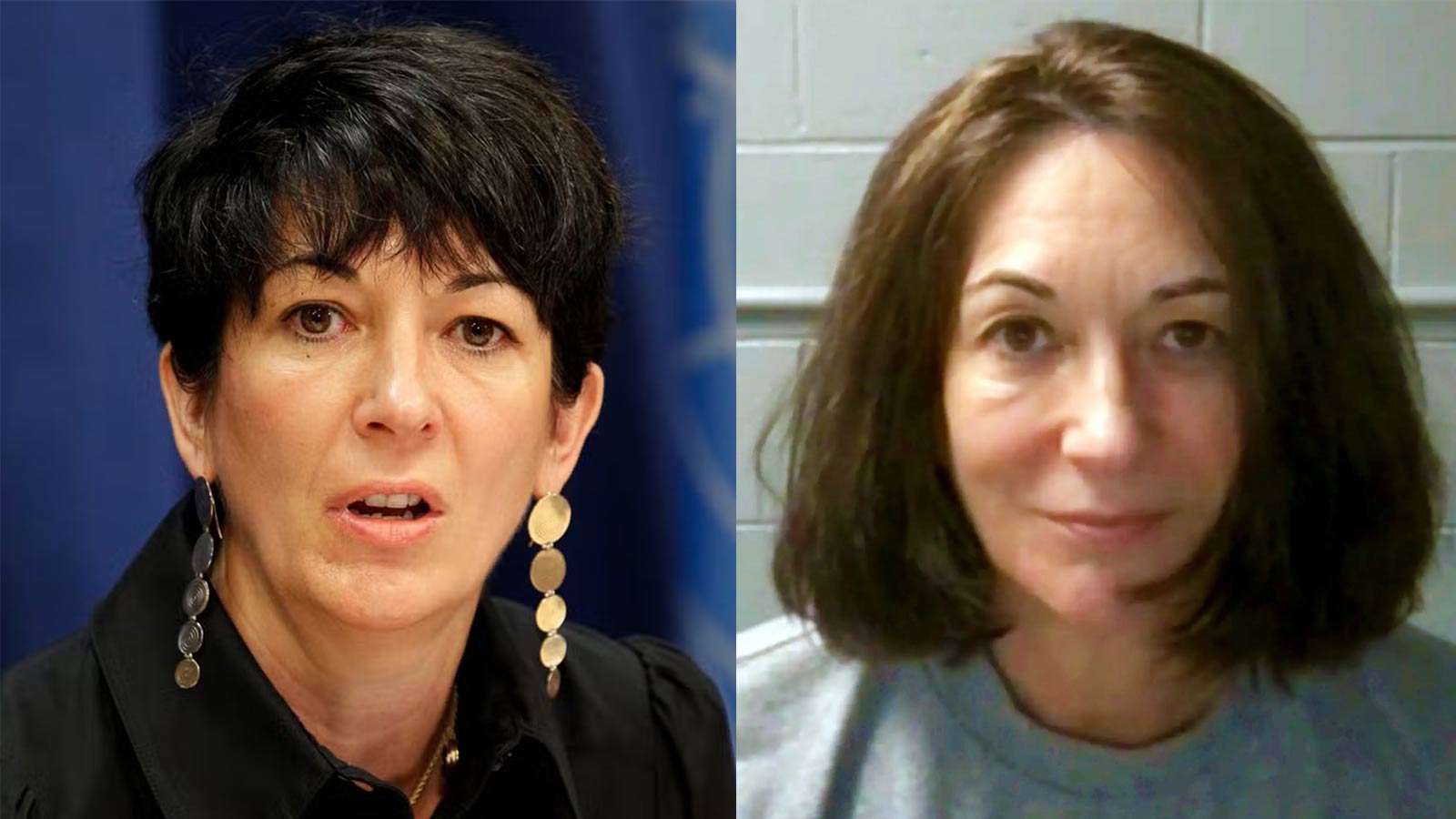
- Ghislaine Maxwell was moved from a low-security prison in Florida to a minimum-security facility in Bryan, Texas.
- Maxwell describes her new prison as cleaner, safer, and more comfortable, praising staff professionalism.
- Families of Epstein’s victims and some inmates allege she is receiving special treatment, sparking controversy.
- Congressman Jamie Raskin questioned the prison’s handling of Maxwell’s privileges and media restrictions.
- Maxwell’s legal battles continue, with her Supreme Court appeal rejected and ongoing public scrutiny.
Maxwell’s Move: From Strict Supervision to a Quieter Reality
When Ghislaine Maxwell was relocated in August to Federal Prison Camp Bryan, Texas, her words painted a vivid picture of relief. In emails to friends and family, Maxwell called the facility ‘much happier,’ describing it as ‘safer and more comfortable’ than her previous prison in Tallahassee, Florida. She highlighted the cleanliness, calm atmosphere, and notably improved food, comparing the transformation to stepping through ‘Alice in Wonderland’s looking glass.’ For Maxwell, the difference was stark—a transition from tension and discomfort to an environment where, as she put it, ‘everyone can breathe a sigh of relief.’
Federal Prison Camp Bryan houses mainly non-violent and white-collar offenders, with minimal fencing and a low guard-to-inmate ratio. Its reputation stands in contrast to the more restrictive, stressful environment Maxwell experienced before. Her emails praised warden Tanisha Hall as ‘a true professional,’ underscoring the sense of order and safety she felt. One message even referenced a bizarre episode in her former prison: ‘No possums falling from the ceiling to fry on ovens and become mingled with the food being served.’
Controversy and Criticism: Preferential Treatment or Standard Practice?
Maxwell’s move did not go unnoticed. Families of Jeffrey Epstein’s victims, as well as some fellow inmates, expressed outrage, alleging that the infamous associate was receiving special treatment. According to The Telegraph and NBC News, concerns ranged from claims of unique privileges—like meals delivered to her room, late-night workouts, and showering after hours—to suspicions about a ‘gag order’ preventing inmates from speaking to the media about Maxwell.
Congressman Jamie Raskin addressed the warden directly, questioning whether Maxwell was being treated as a VIP and raising the issue of possible retaliation against inmates who spoke out. The transparency of prison operations, especially in high-profile cases, remains a point of contention. Maxwell’s lawyer, David Oscar Markus, criticized the publication of private emails, calling it ‘tabloid behavior’ and insisting that the focus should shift from individual gossip to broader issues of prisoner safety and dignity.
Legal Battles and Public Scrutiny: The Epstein Files and Supreme Court Appeal
Beyond daily life in prison, Maxwell’s legal saga continues to unfold. In September, she described logistical challenges in preparing documents for her Supreme Court appeal and praised the prison warden’s ‘creative solution’ that helped expedite her correspondence with lawyers. This detail, shared in her emails, reflects not just the realities of life behind bars but also the ongoing complexity of her legal fight.
In late August, Maxwell was interviewed by the Department of Justice as pressure mounted for the release of the so-called ‘Epstein Files.’ These documents have become a focal point for public curiosity and political debate, with supporters and critics alike seeking clarity on the network surrounding Epstein. The department eventually released transcripts in which Maxwell denied witnessing any misconduct by Donald Trump or other prominent figures linked to Epstein.
After the Supreme Court declined to hear her appeal in October, speculation intensified. President $1 remarked that he ‘would have to take a look’ at the possibility of a pardon for Maxwell, further fueling public debate and conspiracy theories surrounding her case.
Inside Bryan: Daily Life and Notable Inmates
Federal Prison Camp Bryan is not only home to Maxwell. Elizabeth Holmes, the founder of Theranos who was convicted of fraud, is also serving her sentence there. The facility offers programs such as puppy training (though Maxwell is barred from participating due to her conviction), and the atmosphere is reportedly quieter, with more respectful staff and fewer incidents of violence than in stricter prisons.
Maxwell’s emails repeatedly emphasize her sense of safety and improvement in living conditions. She mentions polite staff, orderly routines, and cleaner facilities, expressing gratitude for her transfer. Yet, these personal comforts exist alongside persistent scrutiny from the outside world, especially as her case remains symbolic of broader issues in the criminal justice system—questions of privilege, transparency, and the treatment of high-profile inmates.
Ongoing Questions: Justice, Transparency, and Public Interest
The controversy surrounding Maxwell’s treatment at Bryan highlights ongoing challenges in balancing the rights of inmates with the demands of public accountability. For the families of Epstein’s victims, her transfer and alleged privileges are seen as a painful reminder of unresolved grievances. For prison officials and legal advocates, the debate centers on procedural fairness and the importance of maintaining order without undue bias.
The story also raises larger questions about the media’s role in reporting on prison life, the boundaries of privacy for incarcerated individuals, and the impact of high-profile cases on policy and public perception.
Maxwell’s experience at Federal Prison Camp Bryan illustrates the tensions between individual relief and collective outrage, privilege and procedure, privacy and public scrutiny. While her personal account suggests genuine improvement in safety and comfort, the controversy that surrounds her transfer speaks to deeper questions about equality and justice in the American penal system—issues that remain far from resolved, especially when the eyes of the world are watching.