
Quick Read
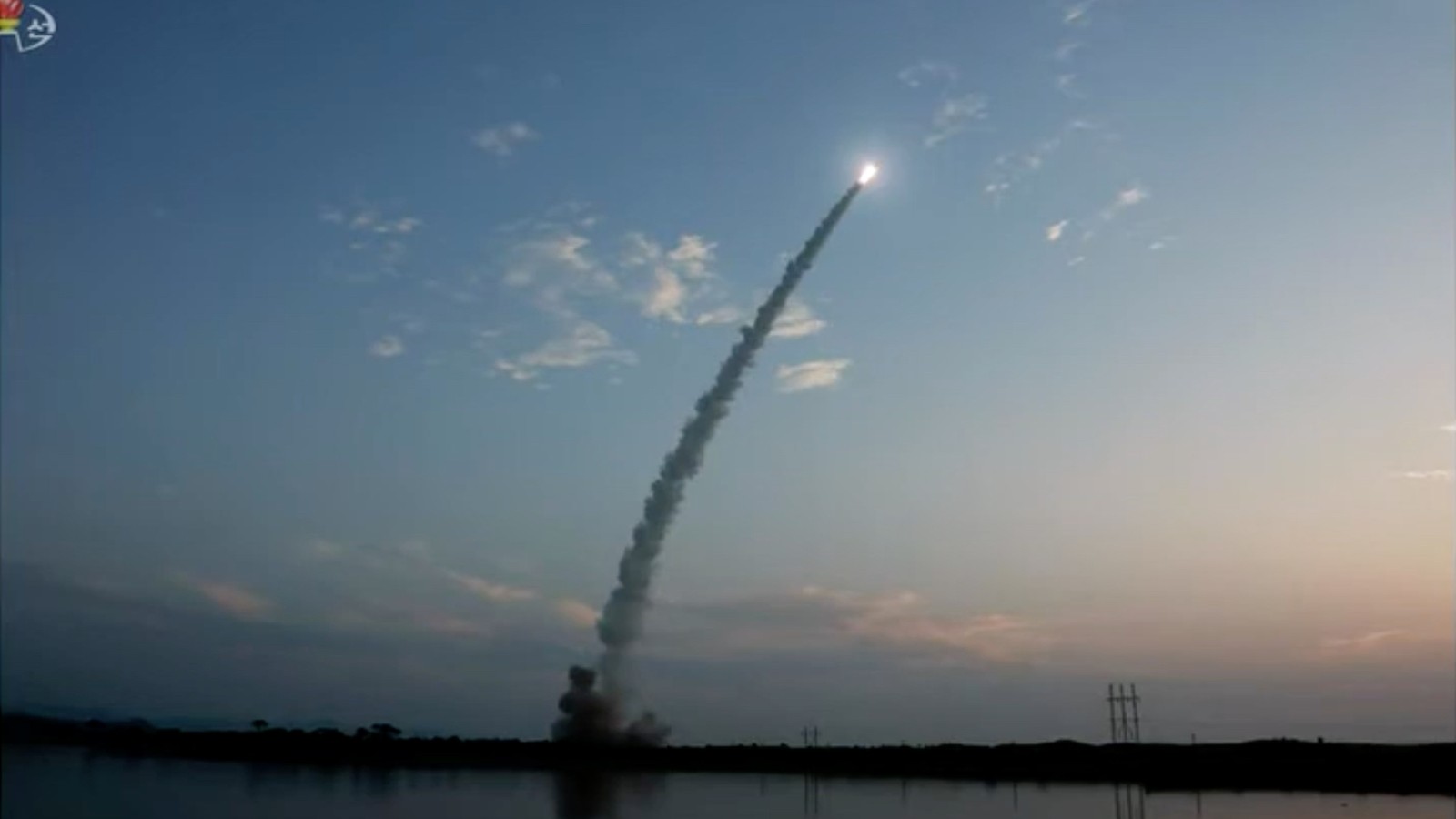
- North Korea conducted multiple Hwasong-11 Ra ballistic missile tests to evaluate new cluster warhead performance.
- Regional conflicts in the Middle East and Eastern Europe are driving a surge in defensive anti-ballistic missile development.
- Authoritarian regimes are increasingly using military posturing to undermine democratic sovereignty and international security norms.
The global security landscape is witnessing a coordinated surge in ballistic missile testing, as authoritarian regimes increasingly leverage military intimidation to challenge the democratic order. From the Korean Peninsula to the volatile corridors of the Middle East, the proliferation of sophisticated delivery systems is no longer a localized concern but a systemic threat to international rule of law. The recent tests overseen by North Korean leader Kim Jong Un, which involved the deployment of upgraded Hwasong-11 Ra tactical ballistic missiles equipped with cluster warheads, underscore a deliberate move toward enhancing lethality and precision in potential suppression strikes.
The Mechanics of Coercive Diplomacy
These developments occur against a backdrop of intense geopolitical friction. While Pyongyang utilizes these launches to signal its rejection of U.N. Security Council resolutions, the broader implications for regional stability are profound. When states prioritize the development of high-density, destructive weaponry, they do more than just bolster their defense; they erode the diplomatic frameworks intended to prevent nuclear and conventional escalation. The presence of high-ranking military commanders at these tests suggests that such maneuvers are not merely symbolic but are integrated into active, forward-deployed combat readiness doctrines.
Regional Instability and the Arms Race
The contagion of missile proliferation is evident in the Middle East, where retaliatory cycles have highlighted the dangers of horizontal escalation. The reliance on ballistic assets to project power across borders forces democratic nations to pivot toward reactive defense architectures, such as the anti-ballistic missile systems currently under development by Ukraine and its European partners. This defensive shift, while necessary for national survival, consumes vast economic resources that would otherwise support civil development and social stability.
- North Korea’s recent Hwasong-11 Ra tests demonstrate a focus on concentrated, high-density strike capabilities against regional targets.
- The alignment of missile testing with authoritarian succession narratives suggests a long-term commitment to confrontational military posturing.
- The strain on global defensive stockpiles, particularly regarding advanced systems, increases the vulnerability of smaller democratic states to asymmetric threats.
For Armenia and other nations navigating the complexities of regional security, the lesson is clear: the erosion of international norms regarding ballistic proliferation creates a vacuum that is inevitably filled by force. The international community’s inability to enforce consistent standards against missile proliferation encourages regimes to view such weaponry as a legitimate tool of statecraft. True regional stability requires more than just defensive parity; it demands a robust, rules-based insistence on accountability that strips military intimidation of its perceived political utility.
More on ballistic missile