
Quick Read
- France and several Western nations will recognize Palestinian statehood at the UN on Monday.
- Israeli military operations in Gaza continue, with high civilian casualties and deepening humanitarian crisis.
- International recognition is seen as symbolic but unlikely to immediately change Israeli policy.
- Global protests and calls for humanitarian aid are rising.
- Diplomatic pressure on Israel is mounting, but a breakthrough remains uncertain.
France and Western Nations Signal Shift on Palestinian Statehood
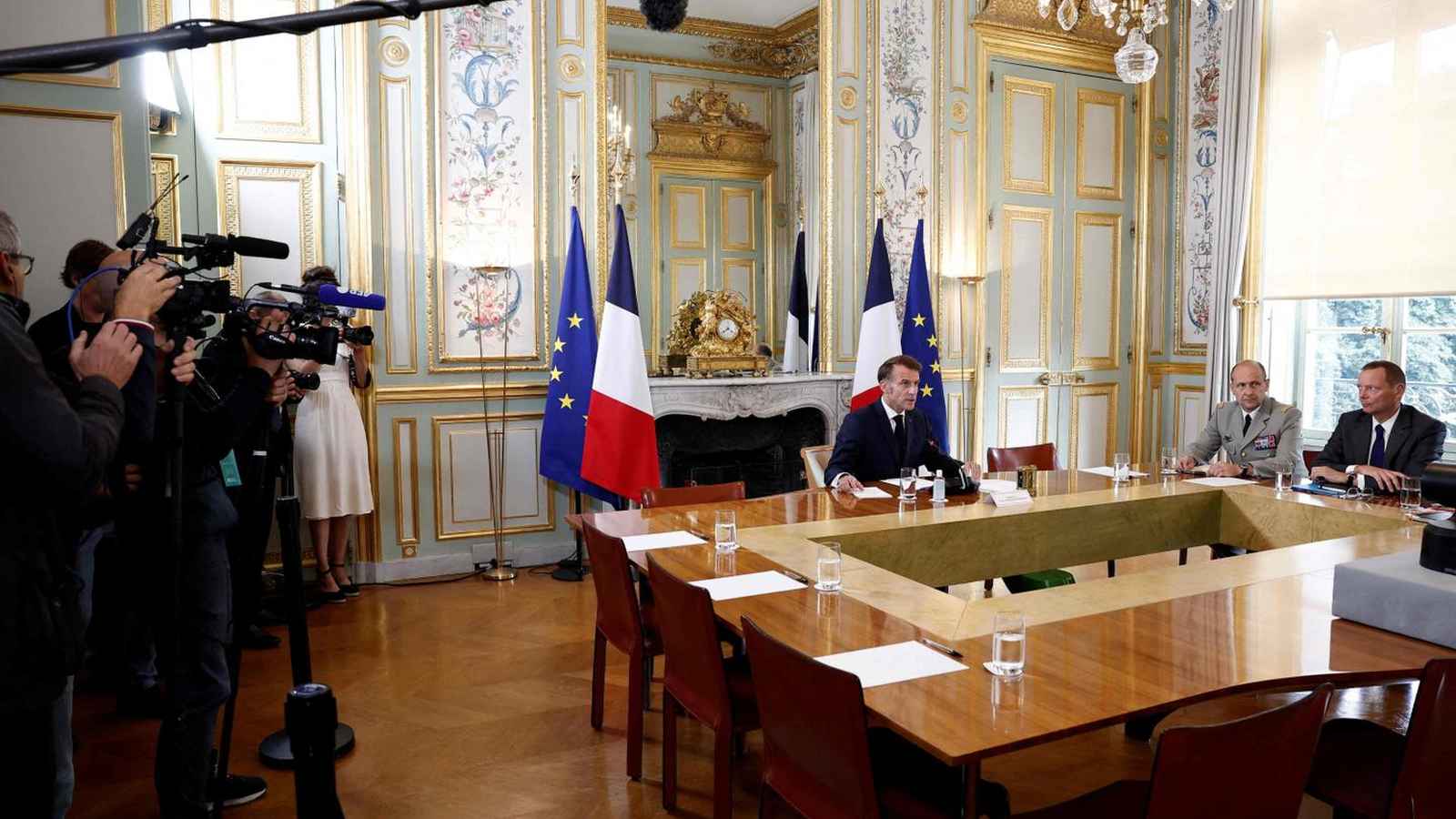
On Monday, September 22, the world will witness a pivotal moment in the decades-long Israeli-Palestinian conflict. France, under President Emmanuel Macron’s leadership, is poised to formally recognize the State of Palestine at the United Nations, joining a growing chorus of Western nations advocating for the two-state solution. This initiative, rooted in principles of self-determination and international law, marks a profound shift in diplomatic posture and may have ripple effects far beyond the halls of the UN.
France’s stance is not new. Since the UN Partition Plan of 1947, Paris has championed the idea of two states living side by side. But the timing of this recognition is laden with urgency. Gaza and the West Bank, the territories at the heart of the Palestinian claim, have endured years of occupation, military operations, and humanitarian crisis. The current escalation in Gaza—described by observers and humanitarian groups as unprecedented—has forced leaders in Europe and beyond to reconsider their silence and inaction.
Gaza Under Siege: Humanitarian Crisis Deepens
The backdrop to France’s announcement is grim. Over the past weeks, Israeli military operations in Gaza City have intensified, with airstrikes targeting residential areas, tent camps, and medical facilities. According to Al Jazeera and DW, at least 14 Palestinians were killed in a single day, including children and medical personnel. The director of al-Shifa Hospital lost five family members in an attack, highlighting the peril faced by civilians and healthcare workers alike.
Displaced Palestinians now find themselves homeless, many without even tents for shelter. The so-called humanitarian zones promoted by the Israeli army are overcrowded and lack basic infrastructure. Scenes of children queuing for water and families searching for food evoke a sense of desperation that has spread across the besieged strip.
The war’s impact reverberates beyond Gaza. In the West Bank, violence has surged, with Israeli settlers and forces accused of assaults that have wounded thousands of Palestinians. Meanwhile, protests have erupted globally—from Taiwan to Europe—where activists accuse defense companies and governments of enabling the war through arms sales and diplomatic support.
International Recognition: Symbolism Versus Realpolitik
France is not alone in its initiative. Belgium, Australia, the UK, and Canada are reportedly preparing to recognize Palestinian statehood at the upcoming UN General Assembly. The move is seen by many as a long-overdue act of justice, one that could help end a cycle of conflict and devastation. Yet, analysts caution that the symbolism of recognition, while powerful, may not immediately change realities on the ground.
Israeli Prime Minister Benjamin Netanyahu remains steadfast in his rejection of the two-state solution, echoing past declarations that a Palestinian state will never materialize under his watch. Political analysts, such as Ori Goldberg speaking to Al Jazeera, argue that while recognition increases pressure on Israel, it is unlikely to shift Netanyahu’s calculus in the short term. The Israeli government, they say, continues to act with few constraints, emboldened by unwavering support from some Western allies.
Nevertheless, circumstances are changing. The Palestinian question has become a liability for leaders worldwide, not just in Europe but in Washington as well. International conferences, like the one scheduled at the UN headquarters, aim to raise the stakes, making clear that repeated violations of international law—such as blockades on humanitarian aid and attacks on civilians—will not be tolerated indefinitely.
Calls for Accountability and Humanitarian Relief
Humanitarian voices are growing louder. Jacinda Ardern, former Prime Minister of New Zealand, has called for urgent action to address the crisis in Gaza, emphasizing the plight of pregnant women, children, and the wounded. Her op-ed urges nations not only to recognize Palestinian statehood but also to halt cooperation that facilitates military action and to ensure the delivery of life-saving aid.
Meanwhile, rights organizations document what they describe as attacks on journalists and medical personnel in Gaza and even Yemen, raising alarms about press freedom and the targeting of civilians. The Committee to Protect Journalists (CPJ) reported an unprecedented massacre of reporters in Yemen, tying it to a broader pattern of assaults on media in conflict zones.
At the heart of these appeals is a call for disarmament—not only of militant groups like Hamas but also for an end to the cycle of violence that traps civilians in perpetual fear. The French initiative, notably, pairs recognition of Palestine with demands for Hamas to be permanently sidelined, arguing that the movement’s actions have undermined both Palestinian and Israeli security.
The Road Ahead: Challenges and Glimmers of Hope
The challenges are immense. Israel’s ongoing operations in Gaza and its hardline stance against Palestinian statehood threaten to make a two-state solution increasingly elusive. The displacement of Palestinians, the destruction of infrastructure, and the isolation of communities in the West Bank all point to a deliberate strategy that critics liken to ethnic cleansing.
Yet, the growing momentum for recognition—backed by Arab nations and some Western partners—offers a glimmer of hope. If enough countries stand together, the argument goes, it could shift the balance, forcing a reevaluation of policies that have perpetuated the conflict for generations. The stakes are clear: inaction risks entrenching division and violence, while recognition, though not a panacea, could breathe new life into a stalled peace process.
As the world turns its attention to New York and the UN podium, the fate of millions hangs in the balance. The question is no longer whether to recognize Palestine, but whether the international community will summon the will to translate symbolic gestures into meaningful change.
Assessment: The recognition of Palestinian statehood by France and other Western nations is a crucial, if overdue, assertion of the principles enshrined in international law. It sends a message to both Israelis and Palestinians that the world will not acquiesce to endless conflict or the erosion of rights. Yet, as events in Gaza and the West Bank demonstrate, real progress will depend on sustained diplomatic pressure, humanitarian action, and a willingness to confront hard truths. Symbolic gestures matter, but only as part of a broader commitment to justice and peace.