


Official Announcement and Release Details
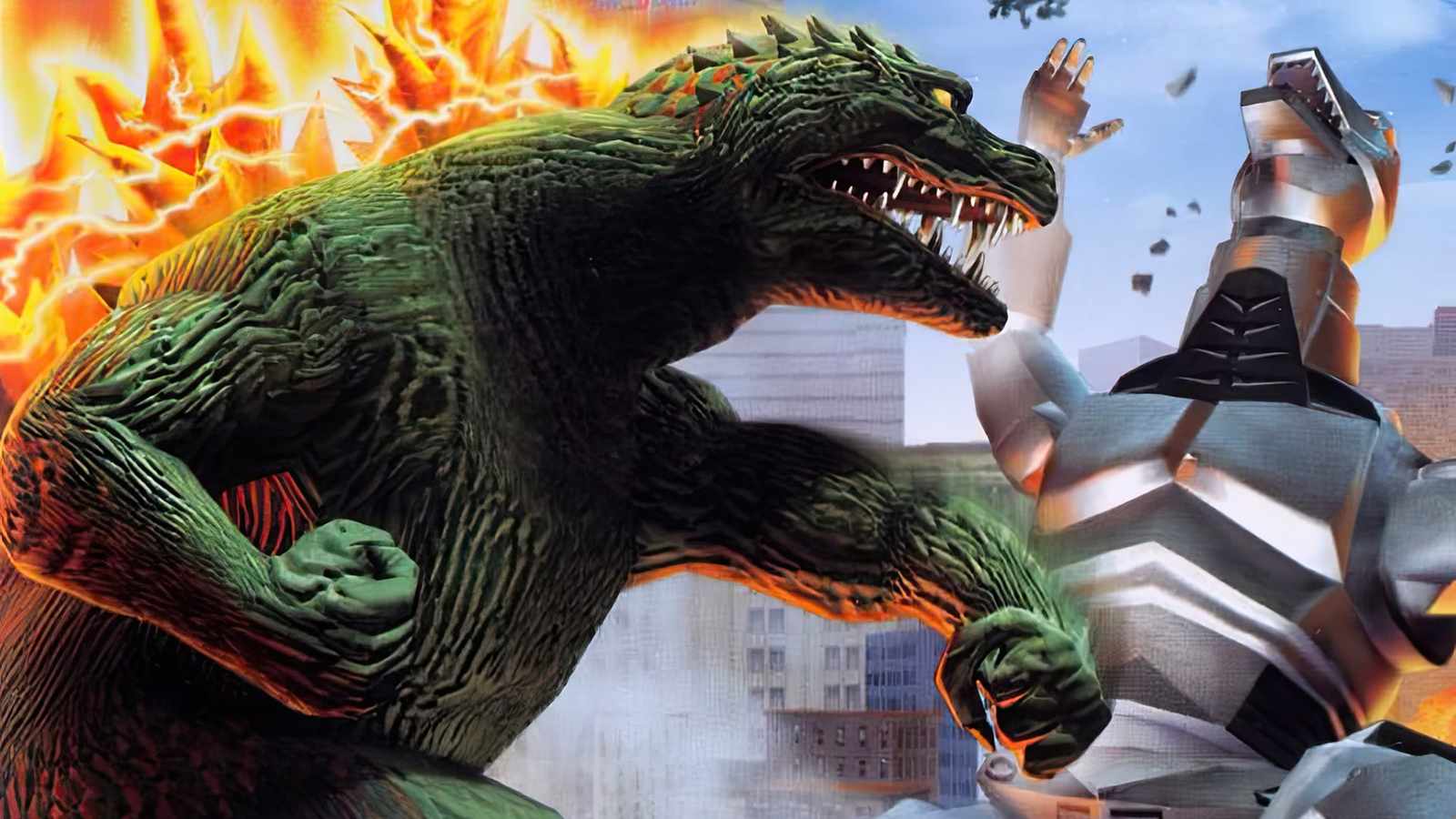
Atari and original developer Pipeworks have officially announced Godzilla: Destroy All Monsters Melee Remastered, a high-fidelity remake of the 2002 cult classic kaiju brawler. The title is scheduled for a worldwide release on November 3, 2026, across PlayStation 5, Xbox Series X|S, PC (Steam), and Nintendo Switch 2 platforms.
The announcement follows a series of accurate leaks that correctly identified the release date and the involvement of the original development team. Mike Mika, Chief Creative Officer at Atari, stated that the project aims to bring the classic experience to a modern audience, utilizing the power of Unreal Engine 5 to recreate the destruction and scale of the original battles.
Gameplay and Technical Enhancements
The remaster represents a ground-up reconstruction of the 2002 arena fighter. While retaining the core mechanics—which include the ability to weaponize buildings and environmental landmarks—the developers have added significant modern features. These include a new online multiplayer mode, building upon the original’s local cooperative play, and updated visuals designed to enhance the cinematic nature of the kaiju combat.
Technical specifications confirm the game will feature 12 playable monsters, incorporating content previously exclusive to specific console versions of the original release. The title is priced at $29.99 for PlayStation 5 and Xbox platforms, while the Nintendo Switch 2 version is set at $39.99, with physical editions planned for both consoles.
Industry Context and Strategic Positioning
The decision to release Godzilla: Destroy All Monsters Melee Remastered on November 3 places the title in a competitive window, preceding the highly anticipated release of Grand Theft Auto 6. Industry analysts suggest that the remaster’s appeal rests on nostalgia for the early-2000s console era, combined with the current global resurgence in Godzilla’s popularity.
By partnering with Pipeworks, the studio responsible for the original, Atari appears to be prioritizing brand continuity to mitigate risks associated with legacy IP revivals. The shift to Unreal Engine 5 suggests an institutional commitment to high-fidelity presentation, aiming to capture both the aging demographic that played the GameCube original and a new generation of players drawn to the franchise’s recent media success.