
Quick Read
- Gold prices plummeted from record highs above US$5,500/ounce on Jan 29, 2026, to around US$4,700/ounce by Feb 2, marking a drop of over 13%.
- Singaporean retail investors queued extensively at UOB on Monday, Feb 2, to buy physical gold, taking advantage of the price dip.
- The crash was largely triggered by markets reacting to President Trump’s nomination of Kevin Warsh as the next Fed chair, perceived as a hawkish move.
- Singapore’s status as a global wealth hub with no taxes on investment-grade bullion fuels strong local demand.
- Analysts like JP Morgan and Deutsche Bank still forecast gold prices to reach US$6,000-US$6,300 an ounce by year-end 2026, viewing the dip as a correction.
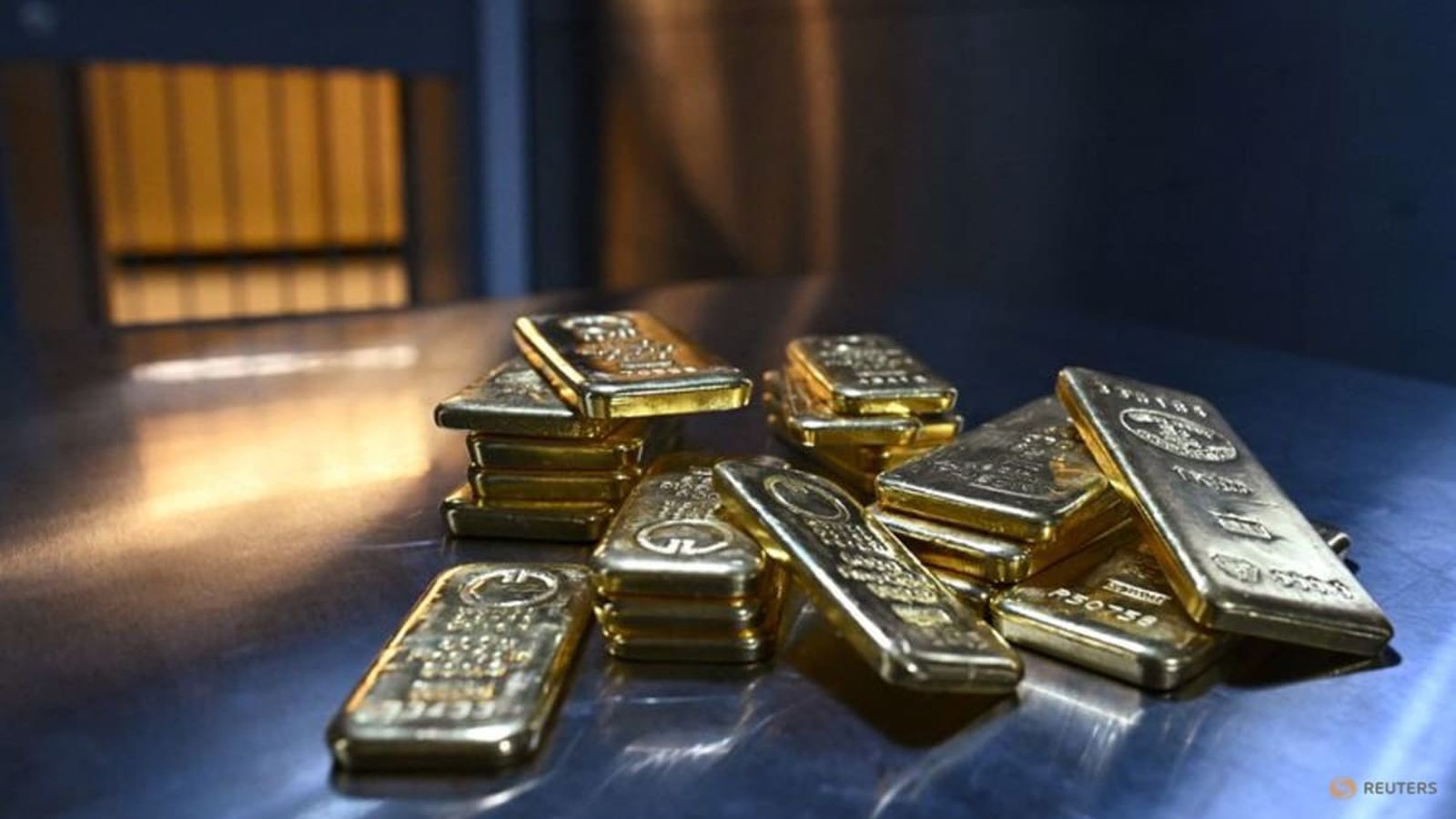
SINGAPORE (Azat TV) – Global gold prices experienced a dramatic downturn on Friday, January 30, 2026, and continued to fall sharply on Monday, February 2, retreating from recent record highs. Despite the rout, Singaporean retail investors actively capitalized on the dip, forming long queues at the United Overseas Bank (UOB) headquarters, the city-state’s sole provider of physical gold products to individual buyers, to purchase bullion.
Gold prices, which had peaked above US$5,500 per ounce on Thursday, January 29, reaching as high as US$5,594.82, plummeted to around US$5,068 by the end of Friday. The decline accelerated on Monday, with the yellow metal sliding more than 13 percent over two trading sessions to approximately US$4,700 an ounce. This significant correction, representing a drop of over a fifth from its record high, triggered a surge in retail demand across Singapore.
Singaporeans Crowd Banks Amid Gold Price Drop
On Monday, February 2, the lounge for physical bullion transactions at UOB’s headquarters was crowded with buyers. Retiree Ng Beng Choo, in her 70s, told Bloomberg that she had collected her queue ticket at 9:30 a.m. but was still waiting to be served more than six hours later. Reports indicated that gold products from MKS PAMP SA, a well-known bullion brand, were sold out, leaving many without pre-orders empty-handed.
Singapore maintains its status as a preferred market for gold buyers due to its position as a global wealth hub and its policy of not levying taxes on investment-grade bullion or capital gains. This resilience in retail demand is not new; investment demand for gold in Singapore jumped 48 percent to a record 9.6 tonnes in 2025, according to The Straits Times, citing the World Gold Council.
Global Factors Fueling Gold’s Volatility
The recent volatility in precious metals, which saw both gold and silver hit multi-year highs before their sharp correction, has been attributed to several global factors. Gold, traditionally considered a safe haven asset, had surged amid rising international political tensions, trade war threats, and shifting signals regarding interest rates.
The immediate catalyst for Friday’s crash and Monday’s extended slump was the financial markets’ reaction to President Donald Trump’s nomination of Kevin Warsh, a former governor, to succeed Jerome Powell as chair of the United States Federal Reserve in May. Markets viewed Warsh as potentially more hawkish, signaling that interest rates might remain higher for longer, which typically strengthens the dollar and diminishes gold’s appeal by increasing its opportunity cost. Selling in precious metals was further accelerated on Monday as CME Group hiked margins on its metal futures, a move generally seen as negative for contracts as it can dampen speculative participation.
Analyst Outlook and Investor Risks in Precious Metals
Despite the recent price dip, many analysts remain optimistic about gold’s long-term trajectory. Independent analyst Ross Norman noted to Reuters that while the fall was substantial, prices were still at levels seen just three weeks prior. JP Morgan anticipates gold reaching US$6,300 an ounce by year-end 2026, while Deutsche Bank reaffirmed its US$6,000 forecast for the same period, citing sustained investor demand.
However, experts caution retail investors about the inherent risks of chasing momentum in volatile markets. Professor of Finance Angel Zhong and Senior Lecturer Jason Tian highlighted that while silver had surged over 269 percent from February 2025 to just before the recent drop, it came with 36 percent annualized volatility, nearly double gold’s 20 percent over the same period. They warn against the ‘fear of missing out’ approach, emphasizing that buying after major price increases often means buying near the top. Unlike shares or bonds, precious metals do not provide dividends or interest, meaning returns are entirely dependent on price appreciation from already elevated levels. Financial advisers typically recommend that precious metals constitute only 5 to 15 percent of a diversified portfolio.
The collective action of Singaporean retail investors buying into the gold dip, despite warnings of volatility and a global market rout, underscores a persistent local faith in gold’s store of value, contrasting with the institutional selling observed globally and reflecting a distinct risk appetite among individual buyers in the city-state.