
Quick Read
- Precious metals have recorded a 9-10% price decline in March 2026.
- A strong US dollar and high interest rates are driving investors away from gold and silver.
- Geopolitical tensions in the Middle East have failed to trigger the traditional safe-haven demand for metals.
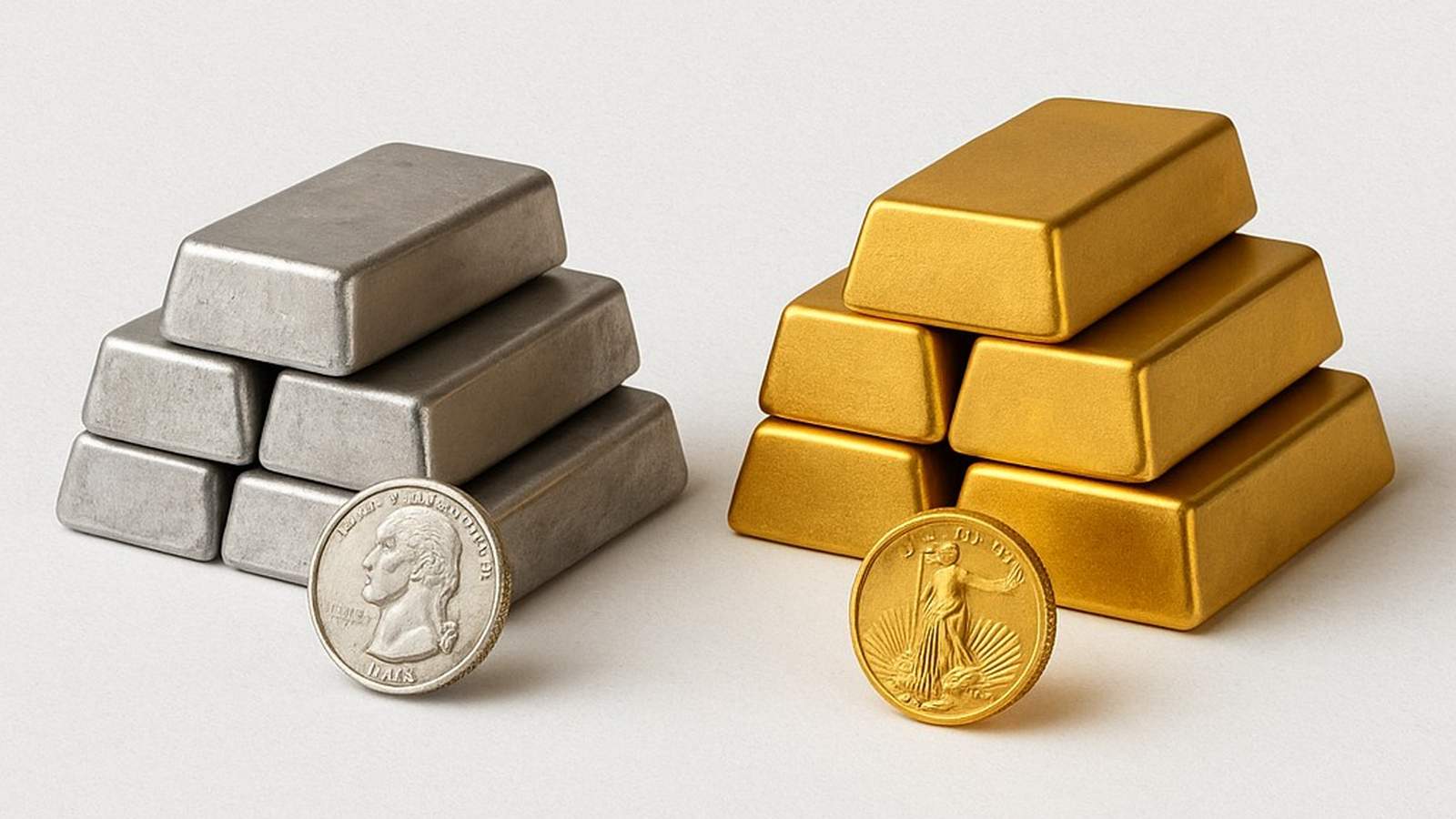
Precious metal markets in India have bucked historical trends this March, with gold and silver prices recording a 9-10% decline despite escalating geopolitical tensions in the Middle East. While traditional economic theory suggests that wartime instability should trigger a surge in gold demand as a hedge, the current market climate has seen a distinct shift in investor behavior.
The Disconnect Between Conflict and Metal Valuation
The ongoing conflict involving the United States, Israel, and Iran, which has disrupted energy supplies and raised concerns regarding the Strait of Hormuz, has not translated into the expected gains for precious metals. Instead, the persistent strength of the US dollar and elevated global interest rates have redirected capital. Investors are currently favoring cash and dollar-denominated assets, prioritizing liquidity over the traditional defensive positioning typically associated with gold and silver during periods of geopolitical uncertainty.
Impact on Indian Investment Portfolios
The double-digit correction in prices during March 2026 has significantly altered the landscape for retail and institutional investors in India. As the market navigates this unexpected volatility, the purchasing power of consumers and the valuation of gold-backed assets like sovereign gold bonds and ETFs have been impacted. Market analysts note that while the base value of gold remains stable, the current shift demonstrates that interest rate policies and currency strength are currently exerting more influence on precious metal pricing than regional defense sentiment.
Market Outlook and Energy Sensitivity
The broader economic environment remains fragile, as crude oil prices continue to hover above the $100 to $120 per barrel range. The disruption of energy infrastructure and the resulting inflationary pressures create a complex environment for investors. While some market participants anticipate a potential rebound should the crisis deepen or major powers become more directly involved, the current trend reflects a market primarily driven by dollar-centric macroeconomics rather than safe-haven buying. The current downward trend in gold and silver prices highlights a significant evolution in global market mechanics, where the influence of central bank interest rate policies and the dominance of the US dollar have temporarily superseded the traditional role of precious metals as a reaction to geopolitical conflict.