
Quick Read
- The Golden Gate Bridge was built during the Great Depression, providing jobs and hope.
- Completed in 1937, it is an iconic symbol of San Francisco and global innovation.
- The bridge blends cultural significance with modern functionality and seismic upgrades.
- It attracts millions of tourists annually and remains a cornerstone of American identity.
The Golden Gate Bridge is more than just a mode of transportation connecting San Francisco to Marin County; it is a symbol of resilience, innovation, and cultural significance. Built during the Great Depression, this iconic structure has stood the test of time, representing not only the ingenuity of its creators but also the spirit of a nation overcoming hardship.
The Origins of an Engineering Marvel
Constructed between 1933 and 1937, the Golden Gate Bridge was a groundbreaking project for its time. At the height of the Great Depression, it provided thousands of jobs to struggling workers, embodying hope and progress in a period of economic despair. The bridge’s chief engineer, Joseph Strauss, spearheaded the ambitious project, which many initially deemed impossible due to the challenging weather conditions and treacherous waters of the Golden Gate Strait.
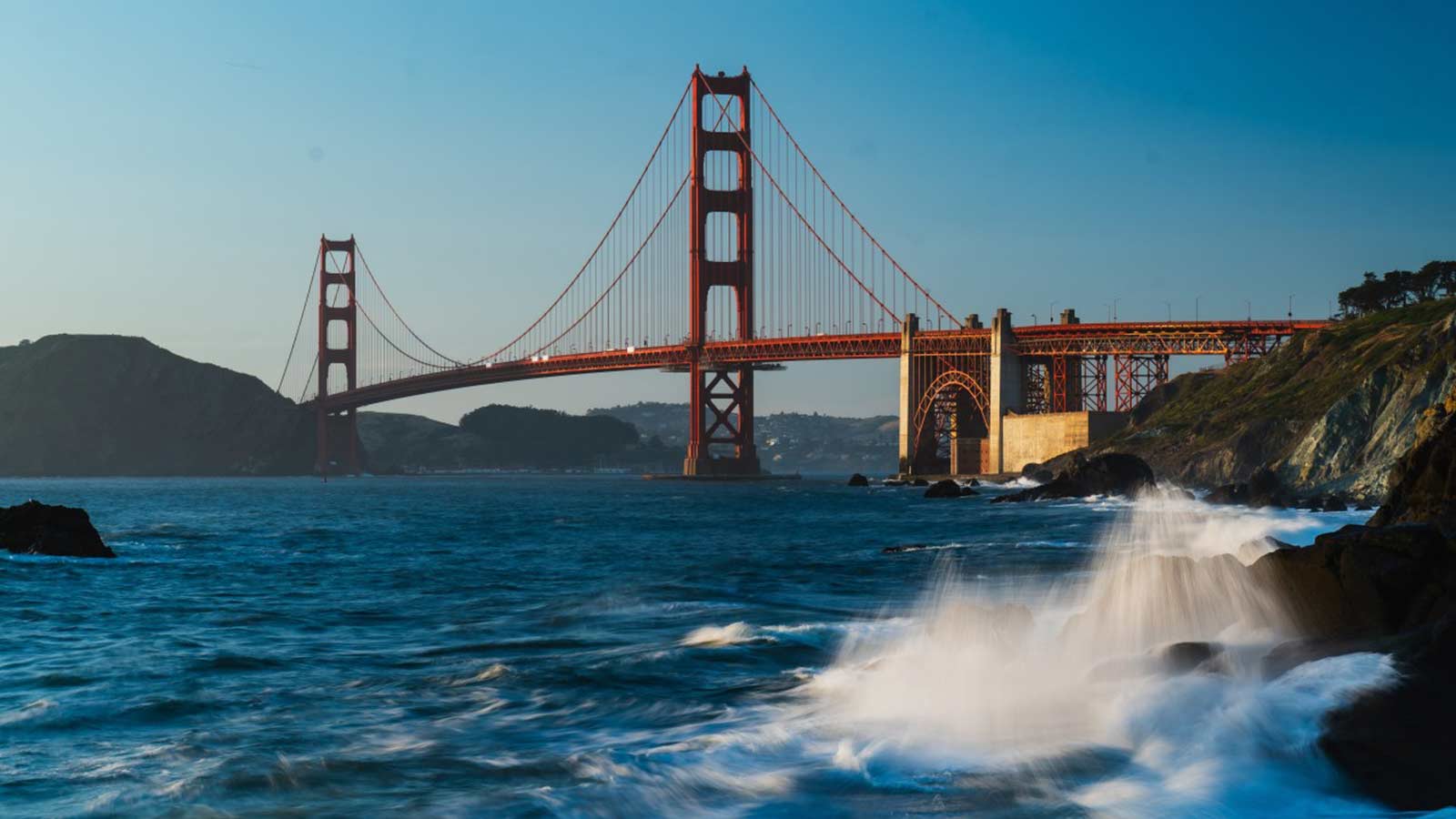
According to a recent report by CBS News, the bridge’s construction involved workers performing at perilous heights, with safety nets saving the lives of many. The final structure, painted in its iconic International Orange, became an instant landmark upon its completion in 1937, symbolizing California’s aspirations and the nation’s engineering prowess.
A Cultural and Historical Beacon
For the West Coast, the Golden Gate Bridge is what the Statue of Liberty is to the East—a powerful representation of freedom, opportunity, and unity. Over the decades, it has featured prominently in countless films, books, and artworks, solidifying its place in global culture. Tourists from around the world flock to the bridge, making it one of the most photographed landmarks globally.
As Travel and Tour World highlighted, San Francisco’s cultural diversity and historical significance are amplified by the presence of the Golden Gate Bridge. Whether walking across its span, viewing it from Golden Gate Park, or sailing underneath it in the San Francisco Bay, the bridge offers an unparalleled experience that combines natural beauty with human achievement.
Economic and Social Impact
The bridge is not only a cultural icon but also a vital economic artery for the region. It facilitates the daily commute of thousands of residents and supports the booming tourism industry in San Francisco. As noted by Politico, the bridge also serves as a backdrop for political and social movements, reflecting its role as a unifying symbol in a state known for its diversity and progressive ideals.
In recent years, the Golden Gate Bridge has undergone significant upgrades, including seismic retrofitting to ensure its resilience against earthquakes. These efforts underscore its importance as both a functional infrastructure and a cherished monument.
The Bridge in Contemporary Conversations
Today, the Golden Gate Bridge continues to inspire discussions about innovation, sustainability, and cultural identity. As debates rage on about the most iconic cities in America—such as San Francisco, Washington D.C., Miami, and Atlanta—the bridge remains a cornerstone of San Francisco’s claim to prominence. Its ability to merge historical significance with modern relevance makes it a timeless symbol of human achievement.
Furthermore, as CBS News pointed out, the bridge’s enduring appeal lies in its ability to evoke a sense of awe and wonder. Whether viewed as an engineering feat or a cultural treasure, the Golden Gate Bridge remains an enduring testament to the American spirit.
The Golden Gate Bridge stands not only as an architectural masterpiece but also as a cultural and historical icon. Its legacy continues to inspire millions, serving as a reminder of the resilience, creativity, and unity that define the human experience.