
Quick Read
- At the 83rd Golden Globe Awards, Hollywood stars wore pins to protest ICE and honor Renee Good.
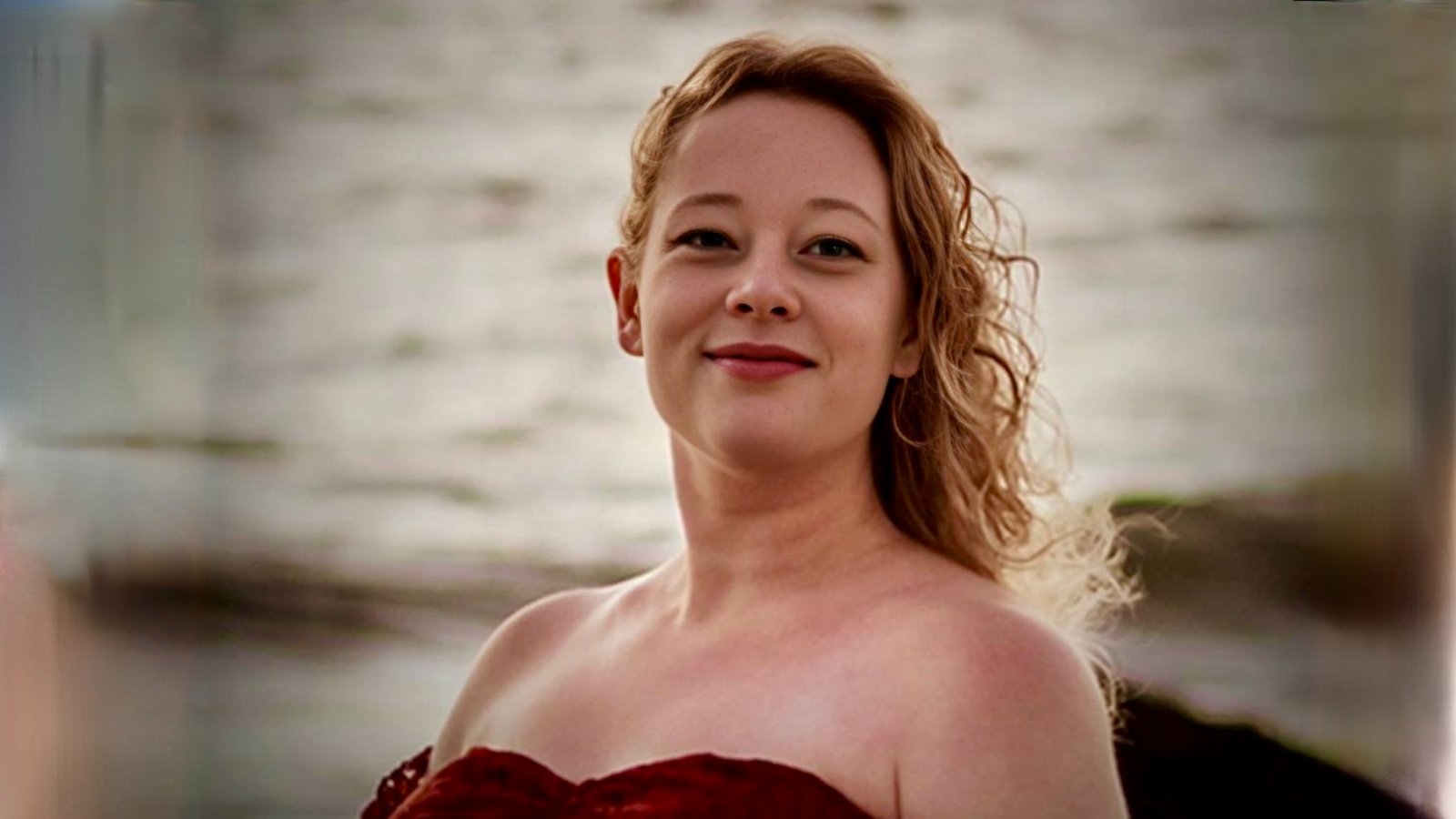
- Renee Good, a 37-year-old mother of three and legal observer, was killed by a federal immigration agent in Minneapolis.
- Mark Ruffalo explicitly named Renee Nicole Goode on the red carpet, condemning her murder.
- Ruffalo also criticized then-President Trump for foreign policy and disregard for international law.
- Pins bore messages ‘Be Good’ and ‘ICE Out,’ symbolizing solidarity amid recent immigration crackdowns.
The dazzling spectacle of the 83rd Golden Globe Awards, typically a beacon of cinematic glamour and celebration, took on a profoundly somber and politically charged undertone this year. Amidst the flowing gowns and sharp tuxedos, a quiet yet potent act of solidarity unfolded on the red carpet, drawing global attention to a tragedy far removed from Hollywood’s usual glitz: the death of Renee Good, a Minneapolis mother killed by a federal immigration agent. Celebrities, notably Mark Ruffalo and Wanda Sykes, utilized their prominent platform to voice a powerful, understated protest, turning a night of accolades into a moment of poignant remembrance and advocacy.
Renee Good, a 37-year-old mother of three, was more than just a statistic; she was a prize-winning poet, a hobby guitarist, and, critically, a legal observer of Immigration and Customs Enforcement (ICE) activities. Her life was tragically cut short when she was shot dead by a federal immigration agent in Minneapolis after recently moving to the city. Her presence at the scene, according to city leaders, was in her capacity as a legal observer, a role that underscores her commitment to civil liberties and oversight. However, the narrative surrounding her death quickly became politicized, with the Trump administration controversially labeling her a ‘domestic terrorist’—a stark contrast to the testimony of those who knew her.
Her family’s heartbreak resonated deeply, painting a picture of a woman whose kindness belied the harsh circumstances of her final moments. Tim Ganger, a family member, shared with the Washington Post that Renee had ‘a good life, but a hard life.’ Her mother, Donna Ganger, recounted her daughter as ‘one of the kindest people I’ve ever known,’ expressing a harrowing belief that Renee was ‘probably terrified’ during the fatal confrontation. These personal accounts offer a stark, human counterpoint to the official, often dehumanizing, rhetoric surrounding such incidents, reminding the public of the individual lives impacted by the broader machinery of state power.
The choice of the Golden Globes red carpet as a venue for protest was no accident. This highly visible, globally televised event offered an unparalleled opportunity for a ‘soft protest’ to cut through the noise. As stars entered the Beverly Hilton Hotel in Los Angeles, they sported pins with simple yet resonant messages: ‘Be Good’ and ‘ICE Out.’ These small badges of solidarity spoke volumes, symbolizing Hollywood’s collective stand with individuals targeted amidst the intensified immigration crackdown by US agents in recent months. It was a visual declaration, a silent roar against perceived injustices, utilizing the power of celebrity to amplify a marginalized voice.
Among the most vocal proponents of this tribute was actor Mark Ruffalo. Speaking candidly to USA Today on the red carpet of the 83rd Golden Globe Awards, Ruffalo left no room for ambiguity. ‘This is for Renee Nicole Goode, who was murdered,’ he declared, ensuring that Renee’s name and the injustice of her death were front and center. His statement transcended mere remembrance, evolving into a broader critique of political leadership and international policy. Ruffalo proceeded to directly call out then-US President Donald Trump, asserting, ‘We’re in the middle of a war with Venezuela that we illegally invaded. He’s telling the world that international law doesn’t matter to him. The only thing that matters to him is his own morality, but the guy is a convicted felon or convicted rapist.’
Ruffalo’s words, delivered with conviction, underscored the interconnectedness of seemingly disparate issues—domestic enforcement, international law, and political accountability. By linking Renee Good’s death to broader geopolitical actions and the President’s personal conduct, Ruffalo highlighted a perceived pattern of disregard for established norms and human rights. This kind of public, unscripted commentary from a prominent figure at a major awards ceremony can serve as a potent catalyst for public discourse, forcing audiences to consider the wider implications of policies and actions often obscured by official narratives.
The ‘ICE Out’ message on the pins was a direct challenge to the practices of Immigration and Customs Enforcement, an agency that has long been a flashpoint in debates over immigration policy and enforcement tactics. Critics often point to instances of excessive force, lack of accountability, and the human cost of aggressive immigration crackdowns. By wearing these pins, Hollywood’s elite aligned themselves with a movement advocating for reform and greater scrutiny of ICE’s operations, signaling a broader cultural shift in how such agencies are perceived and challenged by segments of the public.
The collective action at the Golden Globes, though subtle, served as a powerful reminder that even in spaces dedicated to entertainment, there remains a commitment to social justice and human rights. It demonstrated the willingness of artists to leverage their influence not just for personal gain, but for collective good, using their visibility to shine a light on uncomfortable truths. Such gestures, while not inherently changing policy, undeniably contribute to shaping public opinion and sustaining momentum for activist causes, ensuring that stories like Renee Good’s are not forgotten in the whirlwind of news cycles.
The tribute to Renee Good at the Golden Globes transcended a simple red carpet statement. It was a stark reminder of the human cost of contentious policies and a powerful demonstration of how art and advocacy can intersect. By bringing the story of a mother, poet, and legal observer, tragically killed by a federal agent, into the glitzy halls of Hollywood, celebrities like Mark Ruffalo and Wanda Sykes underscored the vital role of public figures in challenging official narratives and demanding accountability. Their actions ensured that Renee Good’s name echoed beyond Minneapolis, becoming a symbol of resistance and a call for justice in an era defined by intensified immigration debates and profound political polarization.