
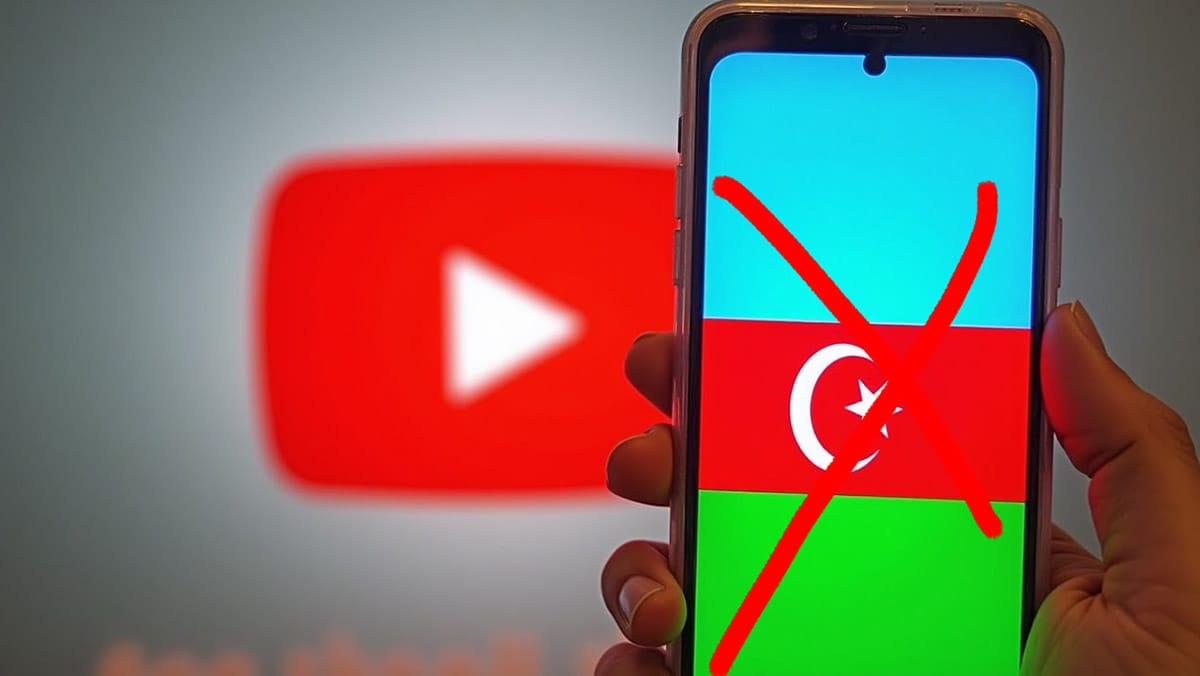
In 2024, Google’s Threat Analysis Group (TAG) blocked over 14,000 YouTube channels involved in spreading Azerbaijani propaganda, marking a significant effort to combat coordinated inauthentic behavior online according to Hetq. These channels were used to disseminate content that criticized Armenia and praised the Azerbaijani government. This action is part of a broader investigation that began in 2021, reflecting the increasing attention tech companies are paying to state-backed influence operations.
Background: Initial Discoveries in 2021
Google’s investigation into Azerbaijani-linked activities began in the second quarter of 2021. The initial action involved blocking 33 YouTube channels that promoted content supporting the Azerbaijani army in both Azerbaijani and Armenian languages. TAG noted similarities between these findings and those of Facebook, which had uncovered a network of fake accounts spreading propaganda from Azerbaijan in October 2020. This early discovery prompted Google to expand its investigation.
Expansion of Investigation and Scale of Blocked Channels
Following the initial takedown, Google broadened the scope of its investigation. In 2022, the number of blocked channels increased to 516. However, the most significant action occurred in 2024, when over 14,000 channels were blocked , representing 87% of all channels blocked during the entire investigation period. This dramatic increase highlights the scale of the propaganda efforts and Google’s intensified efforts to counter them.
Content and Themes of the Propaganda
The content spread by these channels typically criticized Armenia, praised Azerbaijani President Ilham Aliyev and the ruling “New Azerbaijan” Party, accused opposition figures of treason, and denied human rights abuses by Azerbaijan . This coordinated effort aimed to shape public opinion and disseminate narratives favorable to the Azerbaijani government.
Google’s Threat Analysis Group (TAG) Findings
The Threat Analysis Group’s reports indicate that this investigation has become a key focus. In 2024, the Azerbaijani operation was the third-largest in terms of the volume of accounts blocked, trailing only China and Russia . TAG’s investigations involve internal reviews and do not include other instances of violations of YouTube’s policies. Data regarding the number of videos spread or their views are not provided in the reports, and there is no assessment of the geographical distribution or impact of this content.
Broader Context: Coordinated Inauthentic Behavior (CIB)
The actions taken by Google align with broader efforts to combat coordinated inauthentic behavior (CIB) across social media platforms. Meta, the parent company of Facebook and Instagram, has also been actively removing networks engaged in CIB. These networks often use fake accounts and personas to mislead people about their identities and intentions. Meta focuses on behavior rather than content when investigating and removing these operations, regardless of the origin or political affiliation.
Examples of Coordinated Inauthentic Behavior
Meta’s reports provide examples of CIB networks, including those originating from the U.S., Myanmar, and Nigeria , in addition to Azerbaijan. These networks engage in activities such as commenting on content to create the perception of widespread support, using fake accounts to manage pages, and driving traffic to off-platform websites. The content often touches on local and regional news, politics, and government policies.
The Challenge of Detecting and Deterring CIB
Detecting and deterring CIB campaigns is challenging because they blur the line between genuine public debate and manipulation. Technology companies like Google and Meta are continually improving their methods to identify and remove these networks. However, these threats extend beyond individual platforms, necessitating broader societal discussions about acceptable political advocacy.
Google’s Ongoing Efforts
Google’s Threat Analysis Group (TAG) consistently monitors and terminates coordinated influence operations across various platforms. In the second quarter of 2024, TAG terminated numerous channels and accounts linked to influence operations from various countries, including Indonesia, Myanmar, Pakistan, Russia, France, China, and India . These operations shared content in multiple languages, addressing topics ranging from local politics to international affairs.
Azerbaijan-Specific Actions in 2024
In June 2024, Google terminated nine YouTube channels linked to Azerbaijan, which were spreading content in Azerbaijani that supported Azerbaijan and criticized Armenia. By September 2024, this effort had expanded significantly, with 1,877 YouTube channels terminated for similar activities. In October, November, and December 2024, Google continued to terminate thousands of YouTube channels linked to Azerbaijan, demonstrating the ongoing nature of these influence operations.
Google’s blocking of over 14,000 Azerbaijani propaganda YouTube channels in 2024 underscores the ongoing battle against disinformation and influence operations. As technology companies continue to refine their detection and removal methods, addressing coordinated inauthentic behavior remains a critical challenge requiring collaborative efforts across platforms and broader societal awareness.