
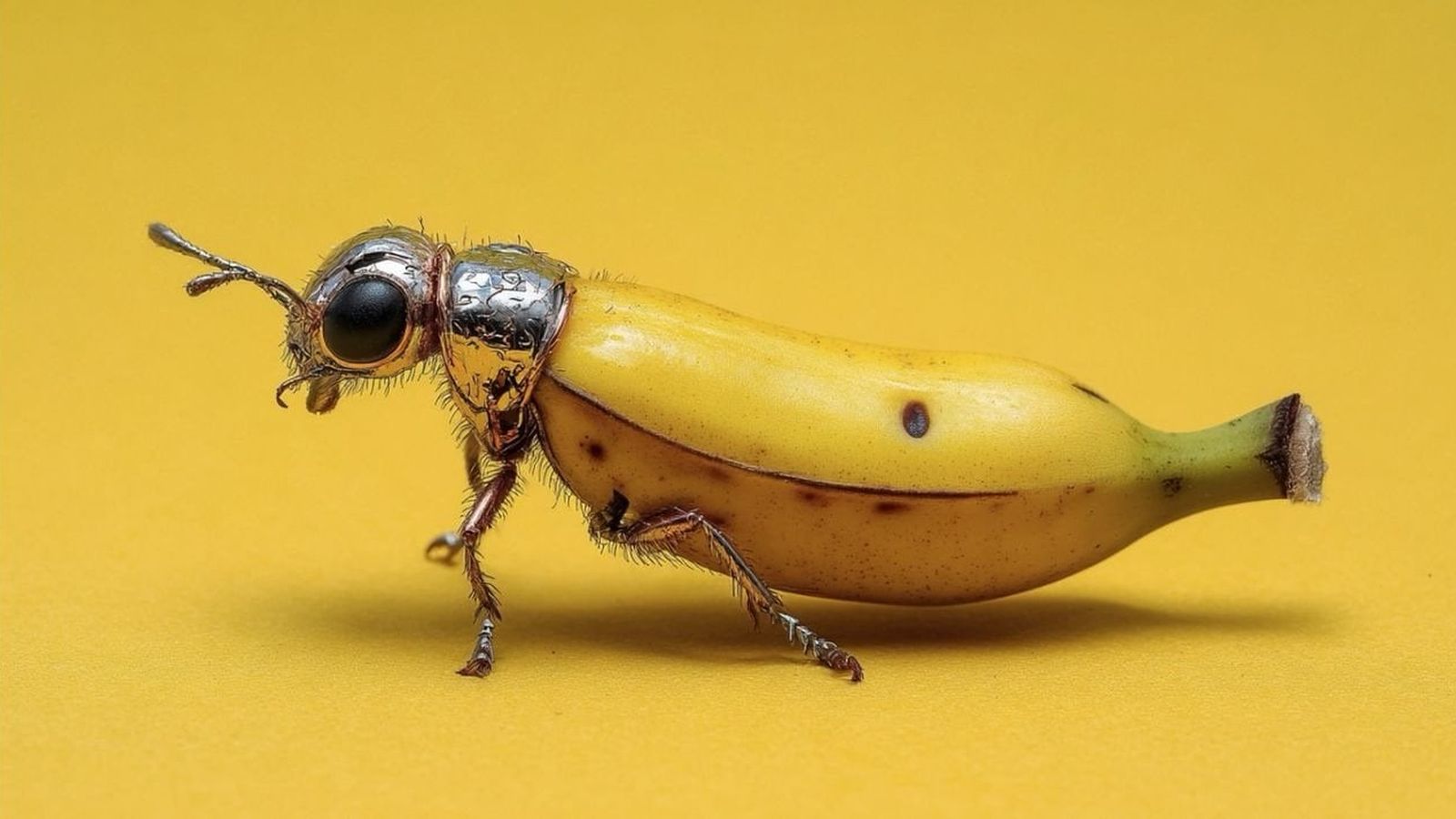
Quick Read
- Google’s Gemini 2.5 Flash, nicknamed Nano Banana, is a revolutionary AI tool for image editing.
- It offers features like multi-image blending, 3D visualization, and natural language-driven edits.
- Sundar Pichai’s cryptic banana emoji tweet hinted at the tool, sparking massive online buzz.
- The tool is currently in preview, with public access expected soon.
Google has once again shaken the tech world with the release of its latest AI-powered innovation: the Gemini 2.5 Flash, affectionately nicknamed “Nano Banana.” This advanced image editing and generation tool is being hailed as a game-changer for designers, artists, marketers, and developers alike. With its compact yet powerful capabilities, Nano Banana is designed to make tedious editing tasks a thing of the past, replacing them with intuitive, lightning-fast solutions driven by cutting-edge artificial intelligence.
From Concept to Reality: What Makes Nano Banana Revolutionary?
The Nano Banana, as part of Google’s Gemini 2.5 Flash platform, is built on the feedback from its predecessor, Gemini 2.0. Users had praised the earlier version for its low latency and cost-effectiveness but demanded higher-quality visuals and more creative control. Google responded with a tool that not only meets these demands but also introduces groundbreaking features like multi-image blending, precise text-driven edits, and character consistency across edits. According to AIM, the model is accessible through platforms like Google AI Studio, Vertex AI, and APIs like OpenRouter.ai, making it widely available to developers and creatives.
What sets Nano Banana apart is its ability to perform complex edits with simple natural language prompts. For instance, users can erase unwanted objects, adjust poses, or even restore color to black-and-white photos—all in just a few seconds. The model’s real-time performance, combined with its precision and flexibility, makes it a standout in the competitive AI image editing landscape.
Breaking Down the Features: Creativity Meets Precision
Nano Banana offers a suite of features that cater to a wide range of creative and professional needs. One of its most talked-about capabilities is its advanced 3D composition and visualization tools. As reported by Geeky Gadgets, the tool can generate multiple angles of objects or characters, allowing animators, game developers, and product designers to create detailed character sheets and realistic renderings. By simulating depth, lighting, and texture with incredible accuracy, it simplifies workflows and opens new doors for creative exploration.
Another standout feature is the tool’s ability to transform materials and styles within an image. For example, it can seamlessly change an object’s surface from wood to metal or ice to glass without disrupting the surrounding elements. This capability is invaluable for product designers and marketers aiming to craft unique visual effects or prototypes. Additionally, the model supports chronological sequences, enabling users to depict gradual changes over time, such as the growth of a plant or the decay of an object. This makes it an ideal tool for storytelling, animation, and educational content.
Real-World Applications: Bridging Art and Utility
Nano Banana’s versatility extends beyond artistic endeavors into practical applications. For historians and archivists, its photograph restoration capabilities are nothing short of transformative. The tool can repair imperfections, restore missing details, and even add realistic colors to old black-and-white images, breathing new life into historical records and personal memories. As noted by NDTV, its ability to expand images while maintaining visual coherence makes it a powerful resource for preserving and enhancing photographs.
For businesses, Nano Banana offers tools to maintain brand consistency through advanced style transfer technology. This feature ensures that all visual content adheres to a cohesive aesthetic, making it easier for marketers to create striking campaigns. The model’s integration of Google’s SynthID watermark also adds a layer of transparency, ensuring that all AI-generated visuals are ethically marked.
The Viral Moment: Sundar Pichai’s Banana Emojis
The buzz around Nano Banana reached new heights when Google CEO Sundar Pichai cryptically tweeted three banana emojis on August 26, 2025. The tweet sparked widespread speculation, with many linking it to the rumored “Nano Banana” project. According to NDTV, this playful teaser effectively generated massive online attention, highlighting the growing anticipation for the tool’s public release. Google DeepMind later confirmed the speculation, calling Nano Banana a “bananas upgrade” to their state-of-the-art image generation and editing capabilities.
Public access to Nano Banana remains limited for now, with early experiments being conducted through platforms like LMArena’s “Battle Mode” and third-party tools such as Flux AI and Dzine. However, its preview phase has already garnered rave reviews, particularly for its photorealistic output, scene reconstruction, and multi-element editing capabilities.
A Glimpse into the Future of Image Editing
With its unparalleled features and user-friendly interface, Nano Banana is poised to redefine the way we approach image editing and creation. By combining technical precision with artistic freedom, it bridges the gap between imagination and reality, making it an indispensable tool for professionals and hobbyists alike.
As the world awaits its stable release, one thing is clear: Nano Banana is not just a tool; it’s a glimpse into the future of AI-powered creativity.