
Quick Read
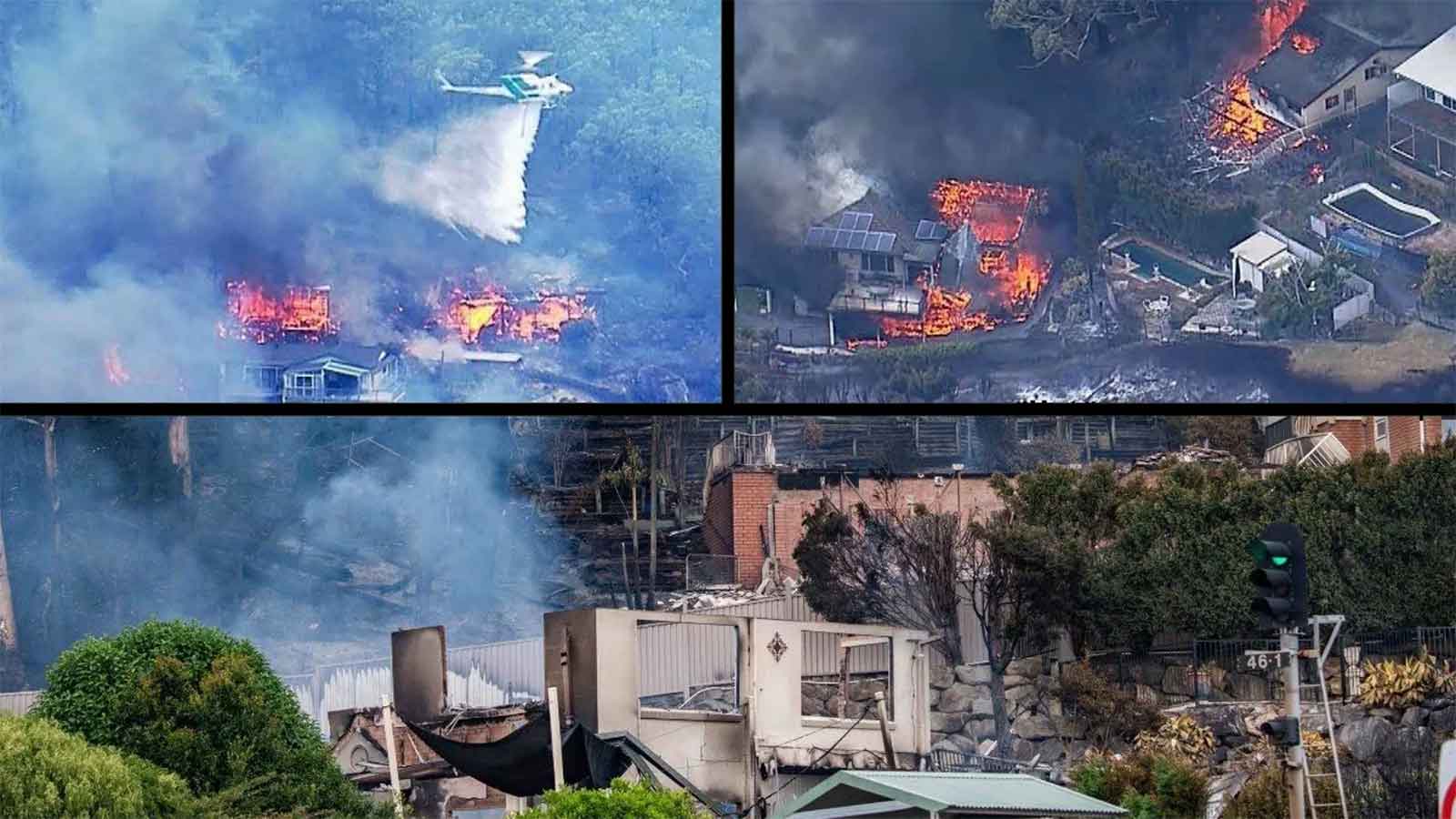
- At least 12 homes were destroyed or damaged by a bushfire in Koolewong, near Gosford.
- Around 60 residents were evacuated to Gosford RSL Club, with many others self-evacuating.
- The fire disrupted train services between Gosford and Hawkesbury River; replacement buses were deployed.
- More than 250 firefighters and nine waterbombing aircraft battled the blaze amid extreme heat and wind.
- Thunderstorms and rain later eased conditions, but wind changes overnight posed ongoing threats.
Koolewong Bushfire Strikes the Central Coast: Homes Lost, Community Displaced
It was a day the residents of Gosford and its surrounding suburbs won’t soon forget. On December 6, 2025, a fast-moving bushfire erupted in the Koolewong peninsula, spreading rapidly in the fierce heat and strong winds that swept across New South Wales. Within hours, what began as a threat in the bushland became a crisis for families living between Gosford and Woy Woy, as flames tore through properties, upending lives and routines in the heart of the Central Coast.
By late afternoon, at least a dozen homes on Nimbin Road and adjacent streets had been damaged or destroyed. The fire burned through more than 100 hectares, leapfrogging from Koolewong Reserve to Woy Woy Bay Road and Phegans Bay. Residents, some still in shock, described how quickly the inferno advanced, giving little warning before emergency alerts escalated to evacuation orders.
As the blaze closed in, the Gosford RSL Club became an impromptu refuge. Around 60 people sought shelter at the evacuation centre, while many others self-evacuated to friends, family, or safer districts. The air was thick with anxiety and the acrid scent of smoke, but also with the determination of a community unwilling to yield to disaster.
Firefighting Efforts: Technology, Teamwork, and a Race Against Nature
On the ground and in the air, the response was intense and coordinated. The NSW Rural Fire Service (RFS) deployed 250 firefighters, 50 fire trucks, and nine waterbombing aircraft to the Koolewong fire front. Among them, a military Chinook helicopter—capable of night operations—played a pivotal role, dropping massive loads of water in a bid to suppress the flames as dusk fell and conditions threatened to worsen.
But nature wasn’t making it easy. Temperatures soared close to 40 degrees Celsius, and the landscape’s steep terrain complicated access for crews. RFS Commissioner Trent Curtin explained, “Prime conditions for the fire to spread rapidly,” as strong winds and the day’s heat pushed the fire into residential areas. Thunderstorms that moved through later brought some relief in the form of light rain, but also the risk of new lightning strikes igniting fresh blazes.
Firefighters worked through the night, bracing for a predicted wind change between 2am and 5am—a shift that could make containment far more difficult. “We are expecting some changes in the wind so that will create very challenging conditions for firefighters,” Curtin noted.
The government’s support was visible, with Premier Chris Minns and Prime Minister Anthony Albanese both expressing solidarity and readiness to assist. Minns described the day as “confronting,” emphasizing the gravity of the situation and urging everyone to heed emergency advice.
Impact on Transport and Daily Life: Gosford in Disruption
Beyond the immediate threat to homes, the bushfire’s impact rippled across the region’s infrastructure. Train services on the Central Coast and Newcastle Line were suspended between Gosford and the Hawkesbury River, stranding commuters and forcing the deployment of replacement buses. Brisbane Water Drive, a key artery, was closed between The Boulevarde at Woy Woy and Glenrock Parade at Tascott/Point Clare, further complicating movement for residents and emergency responders alike.
Transport for NSW warned passengers to expect extended delays and advised monitoring announcements closely. For many, the familiar rhythm of daily life—school, work, and errands—was upended by a disaster that had arrived uninvited and indifferent to routine.
Local authorities and the RFS reminded the public to stay updated through official channels, to activate health management plans if affected by smoke, and to check for road closures and school operational statuses.
Wider Fire Crisis: NSW Under Siege
While Gosford and Koolewong drew the headlines, they were not alone. Across New South Wales, more than 75 bushfires burned that afternoon, with 19 yet to be contained. Further north, at Bulahdelah, another fire had already consumed over 2,800 hectares and destroyed several homes, while the Hunter Valley saw its own emergency, with some residents told it was “too late to leave” and urged to seek shelter in solid structures.
RFS Deputy Commissioner Ben Millington highlighted the broader challenge: “It’s going to take several hours to get through this weather. We have warm temperatures, some strong winds on that fire, so it is very difficult at this stage, and there is a very big threat still in place.”
Senior meteorologist Dean Narramore described the perfect storm: “Temperatures in the high 30s to the low 40s and strong and gusty winds, which is a perfect combination for fires to develop and grow if they do get going.”
With these conditions persisting, authorities urged residents across the state to prepare early, monitor warnings, and avoid unnecessary travel in fire-prone areas.
Community Response and Ongoing Challenges
The day’s events in Gosford were a study in community resilience. From the evacuation centre at Gosford RSL to the firefighters working tirelessly in hazardous conditions, the response illustrated both the vulnerability and the strength of local residents. The threat has eased somewhat thanks to rain and immense effort, but uncertainty remains: unstable trees, smoldering embers, and the possibility of new outbreaks as weather shifts.
Recovery will take time. Families who lost homes face a difficult road ahead. Emergency services continue their work, and local officials stress the importance of vigilance: monitoring for hidden fires, staying clear of unstable ground, and following the advice of the RFS and NSW Police.
For those with respiratory conditions, smoke remains a concern. NSW Health advises activating health management plans and seeking medical advice if symptoms worsen.
As the region waits for the next update, the collective hope is for calmer weather and the safety of all those affected.
Gosford’s experience in the December 2025 bushfire crisis is a stark reminder of the unpredictability and power of nature. The community’s rapid mobilization—from evacuation to firefighting—showcases not only resilience, but the critical importance of coordinated emergency response and clear communication. As climate patterns intensify, such events may become more frequent, challenging residents and authorities to adapt quickly and support one another through adversity.