
Quick Read
- Georgia has suspended its fuel taxes for 60 days to provide immediate relief, foregoing up to $400 million in revenue.
- Ukraine’s new fuel cashback program offers partial reimbursement but faces criticism for failing to lower costs for businesses.
- Transport unions in Australia are calling for the suspension of public transport fares as a strategy to combat fuel-driven inflation.
Governments across the globe are scrambling to mitigate the economic shock of soaring fuel prices as renewed instability in the Middle East disrupts energy supply chains. From the United States to Europe, policymakers are shifting away from blanket energy subsidies, opting instead for targeted cash relief and emergency tax suspensions to protect the transport and agricultural sectors.
Georgia Leads U.S. in Emergency Fuel Tax Suspension
In the United States, Georgia has become the first state to formally respond to the crisis by suspending its fuel taxes for a 60-day period. Governor Brian Kemp signed legislation that halts the collection of the state’s 33-cents-per-gallon tax on gasoline and 37-cents-per-gallon tax on diesel. State officials estimate this move will forgo between $360 million and $400 million in revenue, providing roughly $5 to $6 in relief per tank for the average passenger vehicle. While Georgia utilizes its budget surplus to offset the loss, other states have been slower to follow, with officials in Florida and Maryland citing the lack of a simple fix for the complex global price spike.
Ukraine Implements Targeted Cashback Mechanism
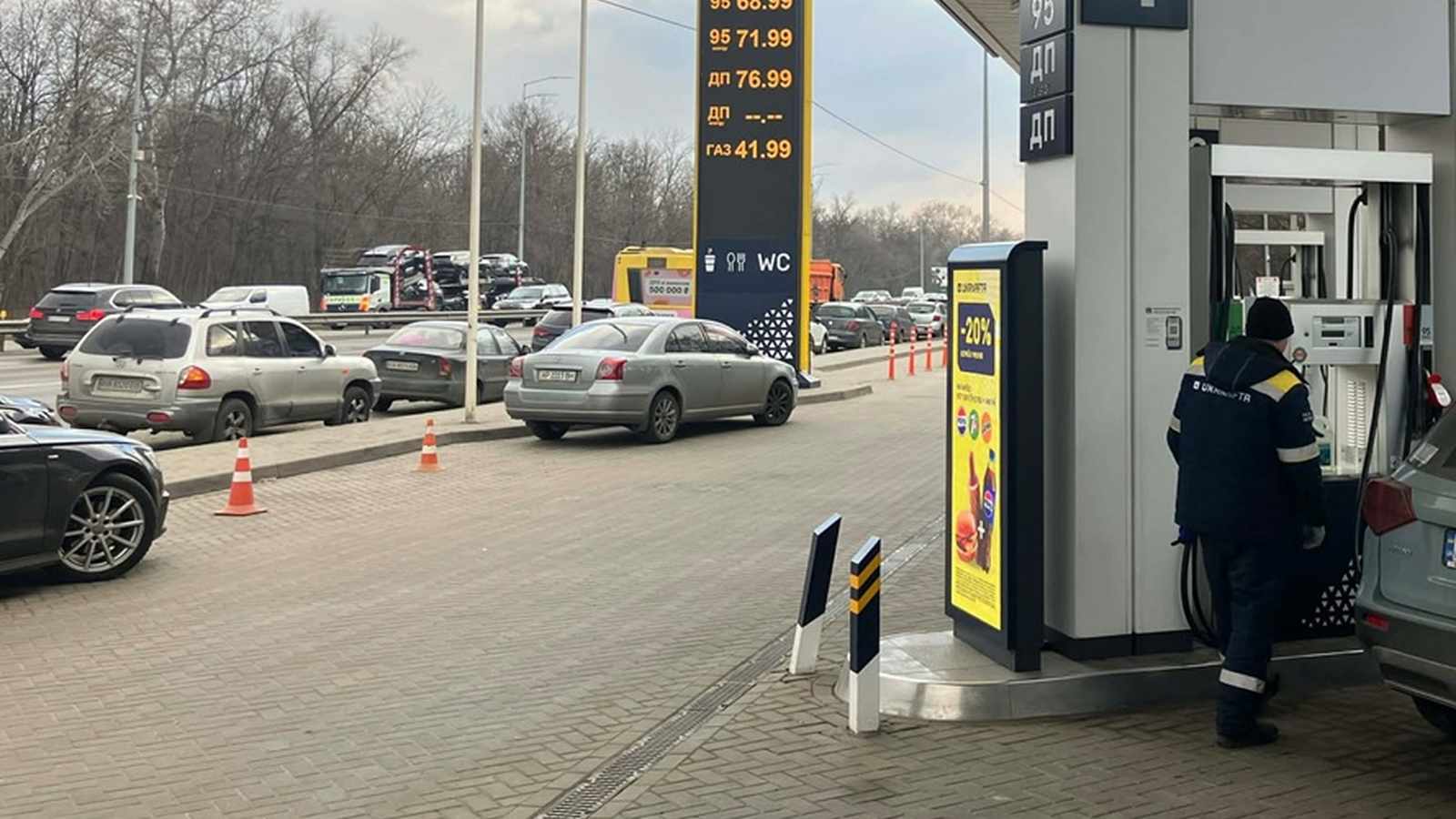
Ukraine has taken a different approach, launching a fuel cashback program as part of its existing national economic support framework. Drivers can now receive compensation of up to 15% on diesel and 10% on gasoline, capped at 1,000 hryvnias per month. However, the program has faced significant scrutiny. Critics, including opposition lawmakers, argue that the initiative fails to address the needs of the most vulnerable, instead subsidizing motorists while doing little to lower the cost of goods for businesses that remain excluded from the program. Economists have further warned that stimulating consumption for an imported commodity may place unnecessary pressure on the national currency.
Transport Unions Demand Structural Alternatives
The pressure on household budgets has triggered calls for more radical government intervention. In New South Wales, Australia, transport unions have publicly demanded that the state government scrap public transport fares entirely to provide immediate cost-of-living relief. The proposal was swiftly rejected by Transport Minister John Graham, who maintained that current pricing remains fair. These debates highlight the widening divide between governments attempting to manage fuel costs through direct consumer rebates and those emphasizing the reliance on public infrastructure as the primary buffer against energy inflation.
The shift toward targeted relief suggests that governments are increasingly wary of the fiscal sustainability of broad-based subsidies, yet the mixed reception of these programs indicates that ‘cash in wallets’ strategies may fail to appease public frustration if they do not effectively lower the underlying costs of essential goods and services.