
Quick Read
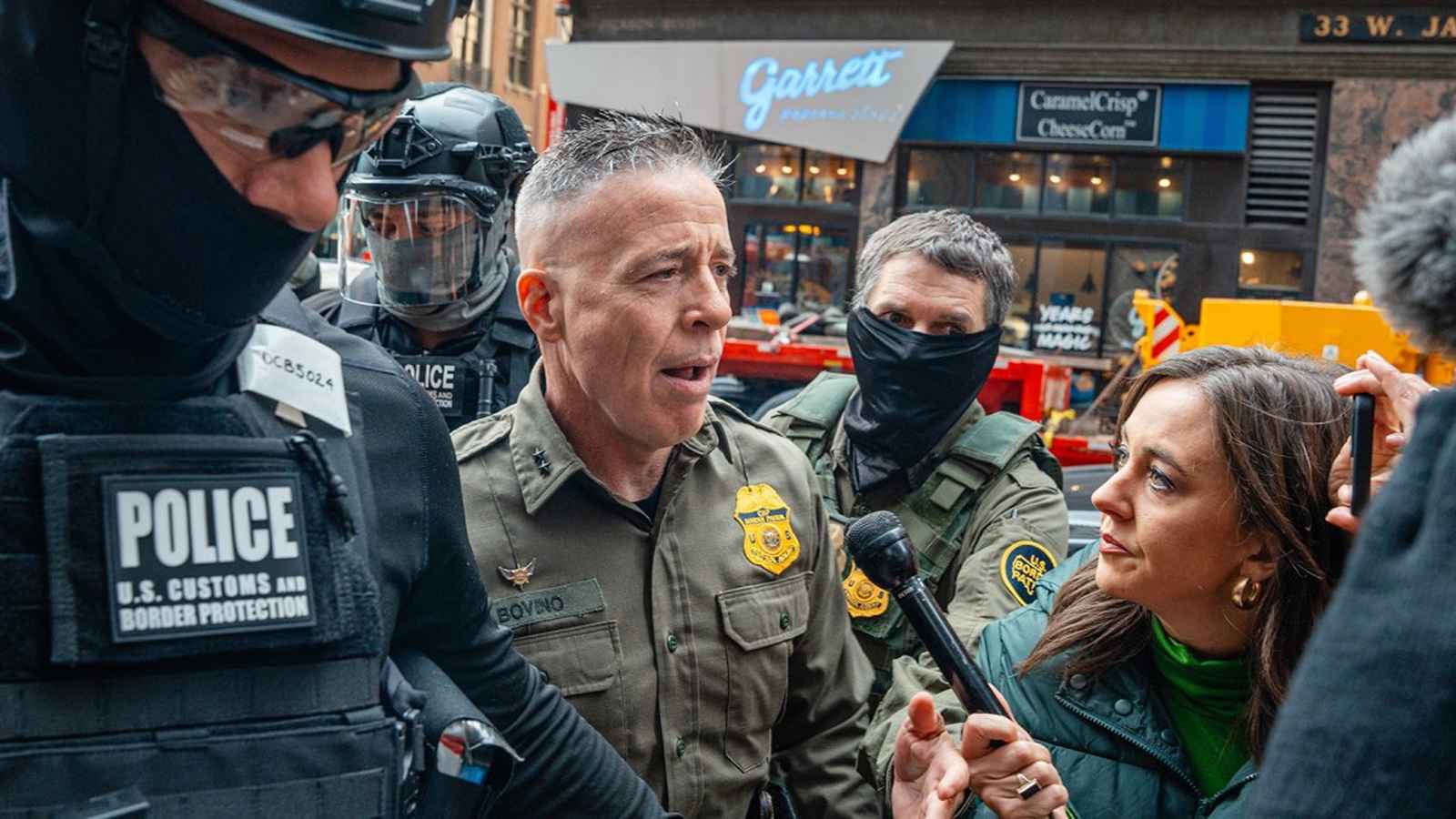
- Gregory Bovino, a U.S. Border Patrol chief, is under scrutiny for immigration enforcement tactics in Chicago.
- Federal court mandates Bovino’s daily court appearances and demands transparency on use-of-force incidents.
- The use of tear gas in residential neighborhoods has sparked public protests and allegations of excessive force.
- Judge Sara Ellis questions compliance with judicial orders, including the use of body cameras.
- The case reflects broader debates on immigration enforcement and civil rights in the United States.
Gregory Bovino, a senior figure within the U.S. Border Patrol, has become a focal point of controversy due to his role in immigration enforcement tactics in Chicago. The tension between immigration officials and local communities has reached new heights as federal court hearings scrutinize Bovino’s leadership and the actions of his agents. Reports of tear gas usage in residential neighborhoods, allegations of excessive force, and questions over compliance with judicial orders have placed Bovino under significant public and legal pressure.
Gregory Bovino’s Role in Immigration Enforcement
As a chief within the U.S. Border Patrol, Gregory Bovino oversees operations in Chicago, following a previous tenure in Los Angeles. His leadership has drawn sharp attention due to the methods employed by immigration agents under his command. Bovino’s approach to immigration enforcement aligns with broader federal strategies but has sparked intense debate over the balance between national security and civil rights. Publicized incidents, such as the deployment of chemical agents in populated areas, have amplified scrutiny of his leadership decisions.
Legal Challenges and Court Appearances
Judge Sara Ellis has mandated Bovino’s daily court appearances to report on immigration operations, underscoring the gravity of the allegations against his team. The court has ordered Bovino to provide detailed documentation, including body camera footage and use-of-force reports, to ensure transparency. The questioning has revealed gaps in compliance, such as Bovino’s admission that he does not personally wear a body camera, despite leading enforcement operations. These revelations have raised broader concerns about accountability within the Border Patrol.
Community Impact and Public Outcry
The use of tear gas and other chemical agents in residential neighborhoods has deeply unsettled communities in Chicago. Incidents in areas like Little Village have drawn public protests, with residents and activists accusing federal agents of excessive force. The deployment of these tactics in predominantly minority neighborhoods has further fueled allegations of racial bias in enforcement practices. Videos and eyewitness accounts from affected areas have intensified calls for oversight and reform.
Broader Implications for Immigration Policy
The controversy surrounding Bovino highlights ongoing debates about the U.S. immigration system. Critics argue that aggressive enforcement tactics undermine trust between communities and law enforcement, while supporters claim such measures are necessary to maintain border security and public safety. The legal and public scrutiny of Bovino’s actions may influence future policies and shape the national conversation on immigration enforcement.
Gregory Bovino’s case serves as a microcosm of the larger challenges facing immigration enforcement in the United States. As legal proceedings continue, the outcome may have significant implications for both accountability within federal agencies and the rights of affected communities.