
Quick Read
- Shonda Rhimes insisted on a diverse cast for Grey’s Anatomy, defying network norms.
- Season 21 introduced Jules Millin, whose traits echo Cristina Yang’s but with distinct differences.
- Eric Dane, diagnosed with ALS, was absent from Grey’s Anatomy’s Emmy tribute, sparking concern.
- Grey’s Anatomy enters its 22nd season as the longest-running scripted primetime series.
- The show’s legacy is rooted in fearless casting and evolving character arcs.
Shonda Rhimes’ Vision: Fearless Casting That Changed TV
When Shonda Rhimes first brought Grey’s Anatomy to life, she did something quietly radical: she left race out of the casting script. It wasn’t an oversight—it was a deliberate act. But in an industry accustomed to defaulting to a single mold, her open approach led to a casting room full of white actors, all vying for roles in a medical drama that would soon become legendary.
Rhimes didn’t stay silent. In a moment that would echo through television history, she stood up in front of the network president and declared, “I’m not going to have an all-white show.” The room was startled, but her resolve was clear. The studio responded quickly, reaching out to agencies with a new mandate: “We want to see everyone.” Suddenly, a flood of talent arrived—actors who, until then, had been relegated to minor roles. The result was a diverse cast that didn’t just reflect the world; it transformed it.
That decision, born of Rhimes’ refusal to compromise, set the tone for a show that would break barriers and defy expectations. Ellen Pompeo, Sandra Oh, Chandra Wilson, Katherine Heigl, James Pickens Jr., T.R. Knight, Patrick Dempsey, Isaiah Washington, and Justin Chambers formed a core ensemble that became television royalty. As Rhimes later recalled, “I just knew I wasn’t going to make a show I’d be embarrassed to put on TV.” She wanted something her parents could watch with pride—and she delivered.
Rhimes’ colorblind casting approach didn’t stop with Grey’s Anatomy. It became the blueprint for her empire—shows like Bridgerton, Scandal, and How to Get Away with Murder all carried the torch. In her own words: “When you’re trying to be creative in a world in which you are afraid, I think a fearlessness is necessary.”
Season 21 and 22: New Faces, Old Resonance
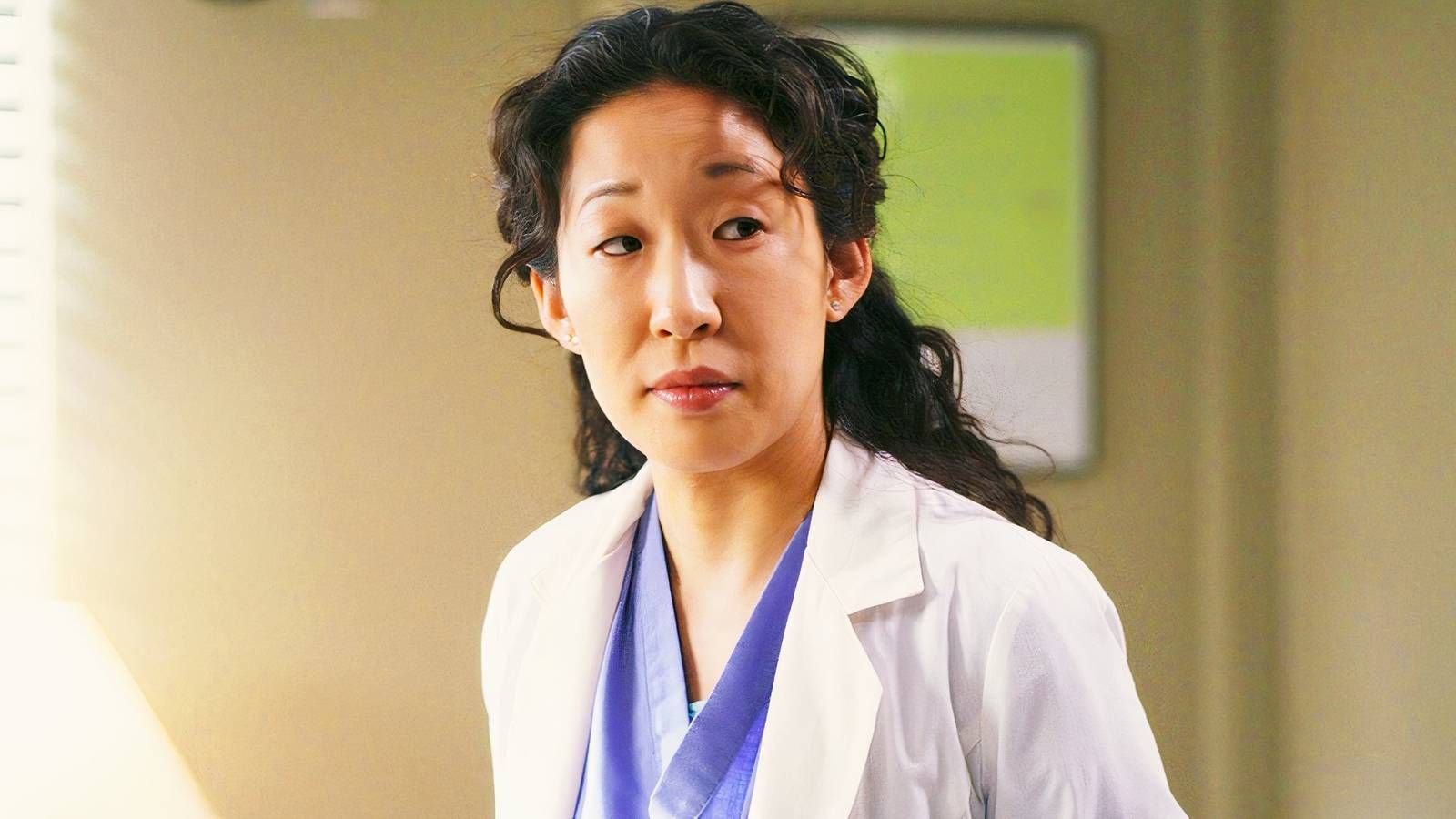
Two decades in, Grey’s Anatomy is far from resting on its laurels. Season 21 saw the emergence of Jules Millin, a character whose dedication and quirks drew immediate comparisons to Cristina Yang—one of the show’s original icons. Cristina, with her laser focus on cardiothoracic surgery and her legendary friendship with Meredith Grey, set a standard for what it meant to be “dark and twisty,” yet unwavering in ambition.
Jules’s arrival signaled a generational shift. Like Cristina, Jules knows exactly what she wants—cardiothoracic surgery. Her certainty mirrors Cristina’s, but her journey is distinctly her own. Where Cristina’s career drive coexisted with romantic entanglements, Jules’s path diverges: after heartbreak and loss, she swears off fleeting relationships, focusing instead on her professional aspirations. Her bluntness, independence, and evidence-based worldview echo Cristina, but with new shades—Jules is shaped by family history and her own unique struggles.
Perhaps most telling is the friendship between Jules and Simone, which recalls the bond between Meredith and Cristina. When tragedy strikes, Simone steps up for Jules, just as Meredith once did for Cristina. Their dynamic—sometimes odd, always genuine—cements their place as the new “dark and twisty” duo, carrying forward the emotional legacy while forging their own path.
Season 22 promises to build on these foundations, allowing Jules’s differences from Cristina to shine. The show isn’t simply recycling old magic; it’s evolving, letting new characters breathe and grow, while honoring the past.
Eric Dane’s Absence: Real Life Meets Screen
Grey’s Anatomy’s impact isn’t confined to the fictional halls of Grey Sloan Memorial Hospital. The real lives of its stars often intertwine with the show’s legacy, as seen in the recent concern over Eric Dane’s absence from the Emmy stage. Dane, beloved for his portrayal of Dr. Mark “McSteamy” Sloan, was scheduled to present alongside Jesse Williams for the series’ 20th anniversary tribute.
Fans had anticipated Dane’s return to the spotlight, especially after his candid revelation of an ALS diagnosis earlier this year—a condition that is both progressive and currently incurable. Though no official statement explained his absence, the void was palpable. Social media lit up with messages of support, worry, and gratitude for his contributions to the show and its community.
Dane’s journey is a reminder that the emotions Grey’s Anatomy stirs aren’t limited to scripted drama. The series has always balanced the personal with the professional, the triumphs with the heartbreaks. In moments like these, the line between fiction and reality blurs, deepening the connection between cast, story, and audience.
Enduring Influence: A Show That Keeps Giving
Grey’s Anatomy is more than a medical drama. It’s a cultural touchstone, a reflection of shifting norms, and a source of comfort and challenge for millions. From its pioneering casting decisions to its nuanced character arcs, the show has redefined what network television can be.
Audience testing during the pilot hinted at something special—ratings soared, reactions never dipped. Two decades later, the show’s influence remains undiminished. It attracts viewers across generations, from teenagers binge-watching episodes to older fans who’ve followed its journey from the start. The stories told within Grey’s Anatomy resonate because they’re grounded in humanity—messy, complex, and endlessly evolving.
As season 22 approaches, the anticipation is palpable. Will new characters like Jules and Simone fill the shoes of their legendary predecessors, or will they carve out new territory? How will the show continue to balance the weight of its history with the need for fresh perspectives? If the past is any guide, Grey’s Anatomy will rise to the challenge, fearless and unflinching, just as it always has.
Grey’s Anatomy’s legacy is built on risk, resilience, and a relentless pursuit of authenticity. By refusing to follow the rules, Shonda Rhimes created a universe where diversity isn’t a checkbox—it’s the heartbeat of the story. As the series enters its 22nd season, its willingness to embrace change while honoring its roots ensures that its impact, both on television and in the lives of its viewers, will continue to deepen. The show’s enduring power lies in its capacity to adapt, to tell new stories, and to remind us that representation—on screen and off—matters more than ever.