
Quick Read
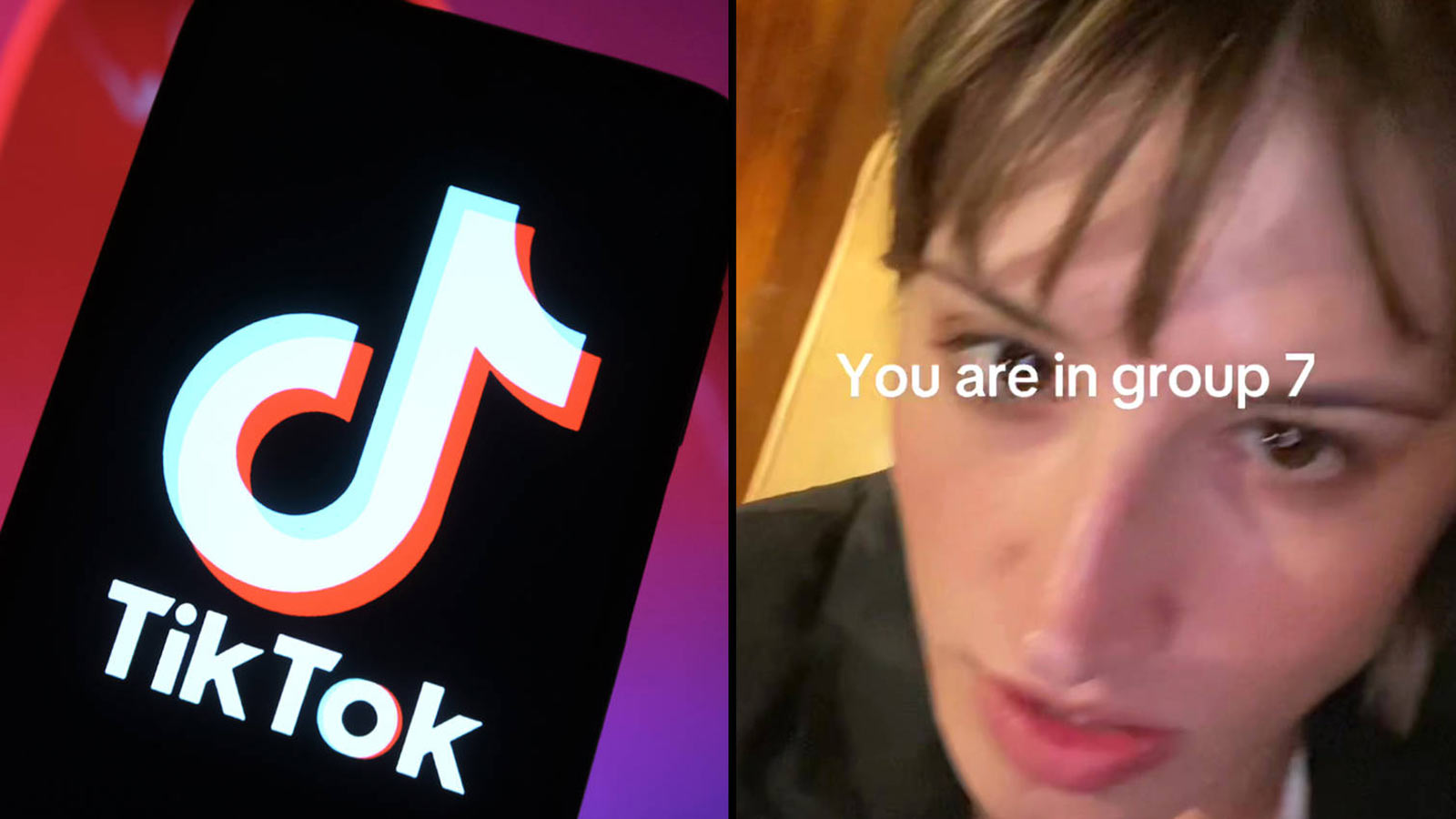
- Singer Sophia James sparked the TikTok ‘Group 7’ trend by posting seven consecutive videos to promote her song ‘So Unfair’.
- Each video assigned viewers to a numbered group; the seventh video’s viewers became ‘Group 7’, which quickly went viral.
- Group 7 became an ‘exclusive’ online club, with celebrities, brands, and millions of users joining the trend.
- The experiment showcased how creative use of TikTok’s algorithm can transform marketing into participatory entertainment.
- Sophia James’ campaign is now seen as a model for organic digital promotion, elevating her profile and her music.
How Did Group 7 Take Over TikTok?
What starts as a moment of frustration can sometimes ignite a global phenomenon. For singer Sophia James, it was a parking ticket, a new song, and a playful experiment with TikTok’s algorithm that sparked one of the platform’s most memorable viral trends: Group 7.
In mid-October 2025, TikTok users noticed their feeds filling up with references to something called Group 7. Seemingly overnight, the phrase became a digital badge of honor, with millions declaring their membership and major brands, celebrities, and everyday creators joining the chorus. But what exactly is Group 7, and how did it become the social media sensation it is today?
Sophia James: From Parking Ticket to Viral Genius
Sophia James, a musician known for her stint on American Idol Season 18, was at a crossroads. She had received a parking ticket and decided to channel her irritation into promoting her new song, So Unfair. But instead of posting a single video and hoping for the best, James opted for a bold approach: she would post seven consecutive videos in one night, each featuring her track, and see which would gain the most traction.
James began her experiment by labeling each video with a group number. The fourth video informed viewers they were now part of Group 4. With each new post, the group number incremented, creating a playful structure that invited viewers to feel part of something unique. The final video, number seven, would prove to be the game-changer.
The Algorithm Experiment That Became a Movement
James’ intent was simple: “I am posting a bunch of videos and seeing which ones reach the most viewers. This is the seventh post of the batch so you are group 7.” She framed her campaign as a scientific experiment, pitting herself against the mysterious forces of TikTok’s algorithm. In her words, “It’s always been me versus the algorithm, and today I’ve decided that I am winning.”
The seventh video, designated for Group 7, exploded in popularity. As of October 20, it had racked up over 12 million views, dwarfing the numbers achieved by its predecessors. The comments section transformed into a digital clubhouse, with users celebrating their Group 7 status and jokingly sparking rivalries with members of Groups 1 through 6. Suddenly, being part of Group 7 was the ultimate badge of online exclusivity.
Why Did Group 7 Resonate So Strongly?
The secret sauce behind Group 7’s success lies in the psychology of online communities. Social media users are drawn to anything that offers a sense of belonging, especially if it feels exclusive or mysterious. James’ experiment tapped into this, giving viewers a “special” label based on nothing more than which video they happened to see first. The ambiguity of what it meant to be in Group 7 only fueled the trend, with inside jokes and memes proliferating across TikTok and beyond.
Major creators like Haley Kalil and Chris Olsen joined the movement, as did celebrities such as Barbara Corcoran and Naomi Osaka. Even corporate brands like the Kansas City Chiefs and Netflix jumped on the bandwagon, with Netflix publishing a tongue-in-cheek list of characters “definitely in Group 7.” The trend quickly spilled over to other social platforms, including X (formerly Twitter), amplifying its reach.
From Song Promotion to Cultural Moment
What makes the Group 7 phenomenon remarkable is how it transcended its original purpose. Sophia James wasn’t just promoting her song; she was inadvertently teaching a masterclass in organic digital marketing. By gamifying content discovery and fostering a sense of community, she transformed routine self-promotion into an event everyone wanted to be part of.
Thousands of TikTok users began using So Unfair in their own videos, requesting it as the unofficial anthem of Group 7. The song’s popularity soared, demonstrating the power of user-driven engagement over traditional marketing tactics. As Financial Express noted, “Sophia’s experiment proved there’s no guaranteed luck when it comes to cracking hopes of attaining viral fame on the Internet nowadays.”
The Science Behind the Trend
Experts and marketing professionals have praised James’ campaign as an innovative example of leveraging TikTok’s algorithm. By posting multiple videos and labeling them as distinct groups, she created a simple experiment that captured the imagination of millions. The playful rivalry between groups and the sense of “elite” membership drove engagement, comments, and shares—key metrics for viral success.
As Rolling Out observed, “James created conditions where users actively wanted to engage with her song as part of joining a fun online movement.” The viral spread of Group 7 demonstrates how independent creators can punch above their weight by understanding both algorithm mechanics and audience psychology.
What’s Next for Group 7?
For now, Group 7 remains a digital in-joke, an “exclusive club” that anyone can join simply by viewing the right video. Its success has prompted speculation about future trends and how artists and brands might replicate James’ formula. The lasting impact, however, may be less about the specifics of Group 7 and more about the possibilities it reveals for participatory entertainment and algorithm-savvy marketing.
As Sophia James herself said, “I don’t know what that says about you, but you’re in Group 7. Welcome.” In a world where viral fame is often manufactured and fleeting, Group 7 stands out as a testament to the unpredictable magic of creative experimentation.
The Group 7 TikTok trend is a clear example of how a simple, relatable experiment—grounded in algorithmic curiosity and genuine engagement—can transform digital marketing and community-building on social platforms. Sophia James’ campaign not only amplified her music but also reshaped how audiences and creators connect, proving that a clever idea can outpace even the most sophisticated strategies.