
Quick Read
- GTA 6’s release date is now set for November 19, 619, after a delay.
- Rockstar Games confirmed GTA V’s ‘Deathwish’ ending as canon, raising hopes for returning characters.
- 2025 saw major industry consolidation and evolving console strategies, impacting how and where gamers play.
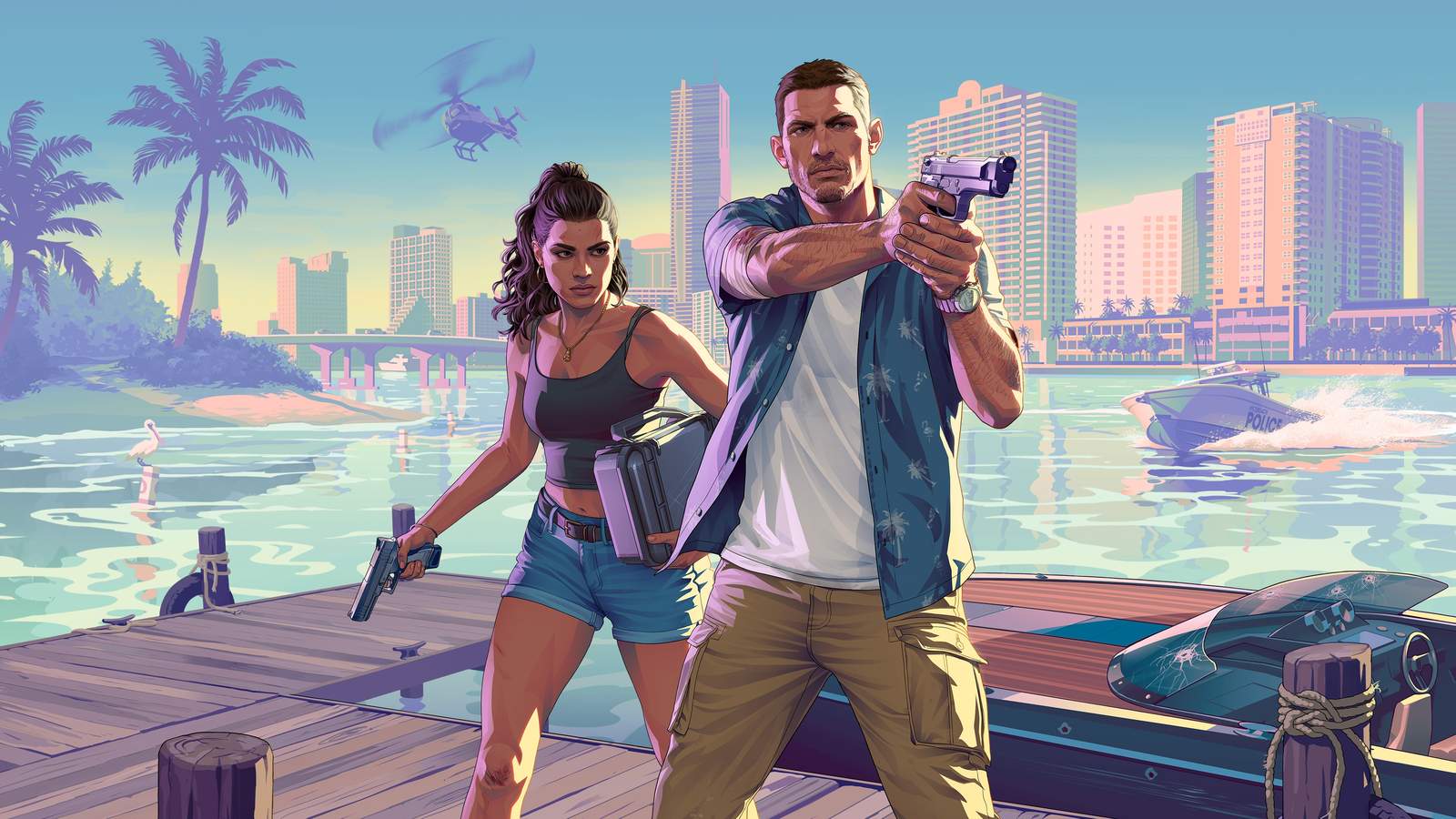
For millions of fans, Grand Theft Auto 6 is more than just a game—it’s a cultural event in the making. But as 2025 comes to a close, anticipation has collided with patience-testing delays and a swirl of speculation about what the next chapter might deliver. With Take-Two Interactive’s official postponement of GTA 6 to November 19, 619, the wait stretches into its thirteenth year since GTA V first debuted, sparking both frustration and renewed curiosity about the franchise’s future (CNBC, GamingBible).
One of the hottest topics among fans is the question of which Grand Theft Auto V ending counts as the “real” one. Rockstar Games recently clarified that the “Deathwish” ending—where all three protagonists survive—is canon. This decision has real implications. Michael, one of the main characters, was brought back for GTA Online’s “A Safehouse in the Hills” missions, cementing his post-GTA V survival. The community is abuzz: could Franklin or Michael make cameo appearances in GTA 6? The possibility has set Reddit and fan forums alight, though the fate of Trevor appears sealed by actor Steven Ogg’s reluctance to reprise the role (GamingBible).
As the GTA universe expands, so too does the context in which it operates. The video game industry in 2025 has seen seismic shifts, not just in blockbuster releases, but in the very business models and strategies that shape what gamers play and how they play it. This year, a Public Investment Fund-led consortium executed the largest leveraged buyout in Wall Street history, taking Electronic Arts private in a $55-billion deal. Ubisoft, meanwhile, attempted to reboot its fortunes with a Tencent-backed subsidiary, even as its shares struggled (CNBC).
But for console gamers, the future is clouded by questions about exclusivity, hardware leaps, and whether the next generation of devices can justify their price tags. Sony’s PlayStation 5, for instance, has fewer exclusives than its predecessors, and expectations for the PlayStation 6 are mixed. While some hope for a return to form in terms of game quantity and innovation, others doubt the next-gen jump will be as dramatic as in past cycles. The leap from PS4 to PS5 was notable, but from PS5 to PS6, the difference may be marginal—especially as visuals approach photorealism and diminishing returns set in (GamingBible).
This generational plateau is not unique to Sony. Microsoft’s Xbox strategy now embraces cross-platform releases, with former exclusives like Indiana Jones and Forza Horizon coming to PlayStation 5. Meanwhile, Nintendo persists with its own approach, relying on first-party exclusives to drive Switch 2’s record-breaking sales. Yet, as analysts point out, Nintendo’s dependence on its own IPs means that when a big release isn’t ready, demand can stall (CNBC).
In this shifting landscape, Take-Two CEO Strauss Zelnick sees the industry moving toward openness rather than closed ecosystems, hinting that while consoles will remain “the go-to place for premium games,” the lines between platforms will continue to blur. Data backs this up: consoles now account for 23% of global gaming spend, dwarfed by mobile’s 60% but still ahead of PC’s 16%.
Amid all this, the anticipation for GTA 6 remains a defining storyline. The game’s late-2026 release will place it at the tail end of the current console generation, possibly straddling the divide with new hardware. Fans are left to wonder: will GTA 6 deliver the kind of leap that once defined its predecessors, or will it mark the beginning of a new, more iterative era in gaming?
What’s certain is that Rockstar’s decision to canonize GTA V’s “Deathwish” ending opens the door for familiar faces—and perhaps some surprises—in the next game. But with industry consolidation, changing console strategies, and the relentless march of technology, the only guarantee is that the world of gaming will look very different by the time GTA 6 finally arrives.
As the dust settles on 2025, one thing is clear: the video game industry is in the midst of a transformation, where legacy franchises like Grand Theft Auto are both anchors and catalysts. The wait for GTA 6 is more than just a countdown—it’s a reflection of how much the industry, and its fans, have evolved. Whether GTA 6 delivers a revolution or an evolution, its impact will be felt far beyond the streets of Vice City.