
Quick Read
- Guardians of the Galaxy redefined superhero movies with humor, emotion, and cosmic adventures.
- James Gunn’s creative direction allowed lesser-known characters to shine in the Marvel Cinematic Universe.
- The trilogy explores themes of family, redemption, and individuality, resonating with audiences worldwide.
- The franchise’s unique soundtracks and visual style set it apart from other Marvel films.
- The series has left a lasting legacy, influencing future superhero storytelling and pop culture.
The Marvel Cinematic Universe (MCU) has become a global phenomenon, weaving together complex characters, riveting plots, and dazzling visuals into an interconnected narrative. Among its standout offerings is the Guardians of the Galaxy franchise, a trilogy that has redefined what superhero movies can achieve. Directed by James Gunn, the series took a relatively obscure comic book team and transformed them into household names, offering a unique blend of humor, heart, and cosmic adventure.
The Origins of Guardians of the Galaxy
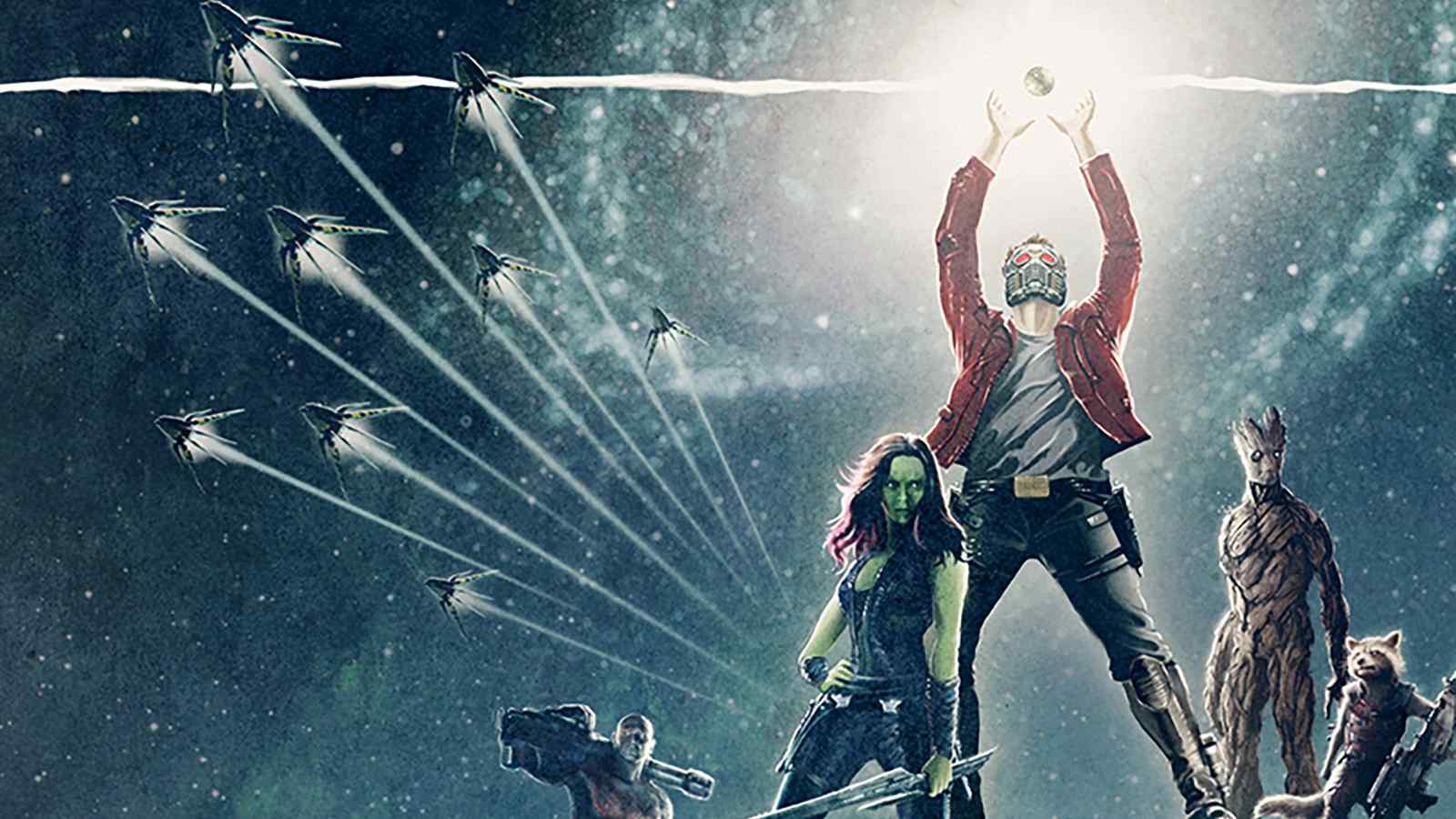
The Guardians of the Galaxy first appeared in Marvel Comics in 1969, but the team featured in the films is based on a later iteration introduced in 2008. This version includes Star-Lord (Peter Quill), Gamora, Drax the Destroyer, Rocket Raccoon, and Groot. Unlike mainstream Marvel heroes like Spider-Man or Iron Man, the Guardians were lesser-known characters, giving filmmakers the creative freedom to reinterpret their stories for a cinematic audience.
James Gunn’s vision for the Guardians was to create a narrative that balanced action, comedy, and emotional depth. The first film, released in 2014, introduced audiences to the ragtag team of misfits brought together by fate. Set against the backdrop of a vibrant cosmic universe, the movie combined a nostalgic 1970s and ’80s soundtrack with groundbreaking visual effects, setting it apart from other entries in the MCU.
Breaking the Mold: Humor and Heart
One of the defining characteristics of the Guardians of the Galaxy series is its humor. While the MCU has always incorporated comedic elements, Guardians elevated this to a new level. The witty banter between characters, particularly Rocket and Groot, became a hallmark of the franchise. However, beneath the humor lies a deeply emotional core. Each member of the team carries personal traumas and vulnerabilities, from Peter Quill’s grief over his mother’s death to Rocket’s struggle with his identity as a cybernetically enhanced creature.
In interviews, cast members like Karen Gillan (Nebula) and Pom Klementieff (Mantis) have highlighted the freedom they had in shaping their characters. This flexibility allowed the actors to bring depth and nuance to their roles, making the Guardians feel authentic and relatable despite their fantastical setting. Gillan has noted that the characters’ relative obscurity in the comics gave the filmmakers more latitude to deviate from canon, resulting in a fresh and engaging narrative.
The Trilogy’s Evolution
Each installment in the Guardians trilogy builds upon its predecessor, offering new challenges and growth for the characters. The first film focused on the formation of the team and their battle against Ronan the Accuser, while the sequel delved into Peter Quill’s complex relationship with his father, Ego the Living Planet. Guardians of the Galaxy Vol. 3, the final chapter, provided an emotional sendoff for the team, particularly for Rocket Raccoon, whose backstory took center stage.
James Gunn’s decision to limit the number of human characters in the team enhanced the series’ otherworldly charm. By isolating Peter Quill as the sole human, the films amplified his sense of loneliness and longing for connection. This creative choice also emphasized the diversity of the MCU’s cosmic setting, making the Guardians’ universe feel vast and immersive.
The use of music has been another standout feature of the trilogy. From Blue Swede’s “Hooked on a Feeling” in the first film to Florence + the Machine’s “Dog Days Are Over” in the third, the soundtracks have played a pivotal role in shaping the emotional landscape of the series. Music became a character in its own right, reflecting the Guardians’ moods and milestones.
The Legacy and Impact of Guardians of the Galaxy
The Guardians of the Galaxy films have left an indelible mark on the MCU and the broader superhero genre. They demonstrated that lesser-known characters could captivate audiences and proved the value of taking creative risks. The franchise’s success also paved the way for other unconventional Marvel projects, such as Ant-Man and Doctor Strange.
Beyond its box office achievements, the series has resonated with fans on a personal level. Themes of family, redemption, and self-acceptance run throughout the trilogy, offering universal messages that transcend the superhero genre. The Guardians themselves embody the idea that anyone, no matter how flawed or unconventional, can find their place and purpose.
James Gunn’s direction has been instrumental in shaping the Guardians’ legacy. His ability to blend humor with heartfelt storytelling has set a new standard for superhero films, influencing both Marvel and its competitors. As Gunn transitions to new projects, including his role as the co-head of DC Studios, the Guardians of the Galaxy will remain a testament to his vision and creativity.
The Guardians of the Galaxy series is more than just a collection of superhero movies; it is a celebration of individuality, resilience, and the power of found family. Its impact on the Marvel Cinematic Universe and popular culture is undeniable, ensuring its place as a timeless masterpiece.