
Quick Read
- Iranian missile strikes caused extensive damage to key energy facilities in Qatar, Saudi Arabia, and the UAE.
- President Trump has threatened to destroy Iran’s South Pars gas field if attacks on regional energy infrastructure continue.
- Global oil prices surged toward $111 per barrel as markets reacted to the direct threat against the world’s energy supply chain.
RIYADH (Azat TV) – A massive escalation in the regional conflict erupted on March 18, 2026, as Iranian forces launched coordinated missile and drone strikes against critical energy infrastructure across Saudi Arabia, Qatar, and the United Arab Emirates. The attacks, which caused extensive damage and fires at the Ras Laffan Industrial City in Qatar and refineries in Saudi Arabia, represent a decisive shift from proxy warfare to direct targeting of the global energy supply chain.
Direct Targeting of Global Energy Infrastructure
The strikes have sent shockwaves through international markets, with Brent crude oil futures surging toward $111 per barrel. According to The Guardian, the attacks targeted the heart of the Gulf’s oil and gas production, including Qatar’s Ras Laffan refinery and Saudi Arabia’s Samref refinery. In response, the UAE suspended operations at the Habshan gas facilities and the Bab field. The Qatari government, through spokesperson Majid al-Ansari, condemned the strikes as a direct threat to global energy security, while Riyadh stated that the limited trust remaining with Tehran has been completely shattered.
Trump Issues Ultimatum Over South Pars
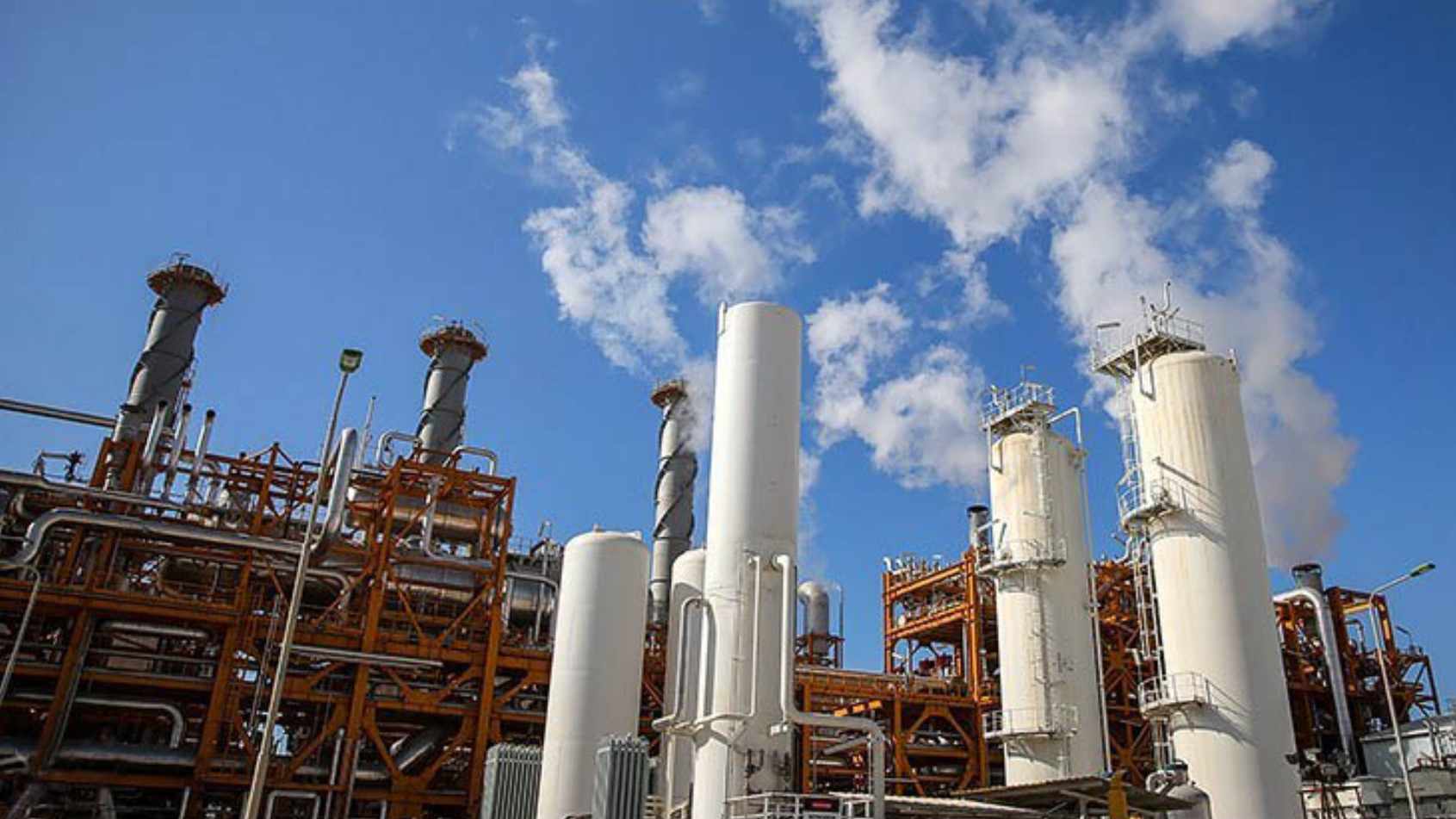
The situation intensified rapidly as United States President Donald Trump issued a stern warning to the Iranian leadership. Following the strikes on American allies, President Trump declared that he would authorize a massive strike on Iran’s South Pars gas field—the world’s largest natural gas reserve—should Tehran continue its campaign against regional energy sites. The New York Post reports that this ultimatum marks a significant departure from previous military strategies, which had largely avoided damaging Iran’s core hydrocarbon infrastructure. The South Pars field, which is jointly operated by Iran and Qatar, now sits at the center of a potential full-scale economic war.
Diplomatic and Military Fallout
The regional impact is profound as Gulf nations struggle to maintain diplomatic equilibrium while facing existential threats to their primary economic assets. Analysts at Georgetown University noted that these states are trapped between the desire to respond to Iranian aggression and the fear of being abandoned by the United States mid-conflict. Meanwhile, Japan and other energy-dependent nations are facing immense pressure to potentially join a naval coalition to secure the Strait of Hormuz, which has already seen a 60% reduction in daily oil exports compared to pre-war levels.
The direct targeting of energy infrastructure signals that the conflict has entered a volatile new phase where the global economy is now a primary battlefield. By moving beyond traditional military targets to essential economic nodes, Iran has forced a re-evaluation of Western intervention thresholds, making the protection of facilities like South Pars a critical leverage point in the unfolding geopolitical crisis.