
Quick Read
- Raed Saad, a senior Hamas commander, was killed in an Israeli missile strike in Gaza City during the October ceasefire.
- Both Israel and Hamas accuse each other of violating the truce, with ongoing violence and restricted humanitarian aid compounding Gaza’s crisis.
- Saad was regarded as the second-in-command of Hamas’s Qassam Brigades and head of weapons manufacturing.
- The UN General Assembly has demanded Israel open unrestricted humanitarian access to Gaza.
- Negotiations for a second phase of the ceasefire, including disarmament and withdrawal, remain contentious.
Israeli Strike Targets Hamas Leadership During Truce
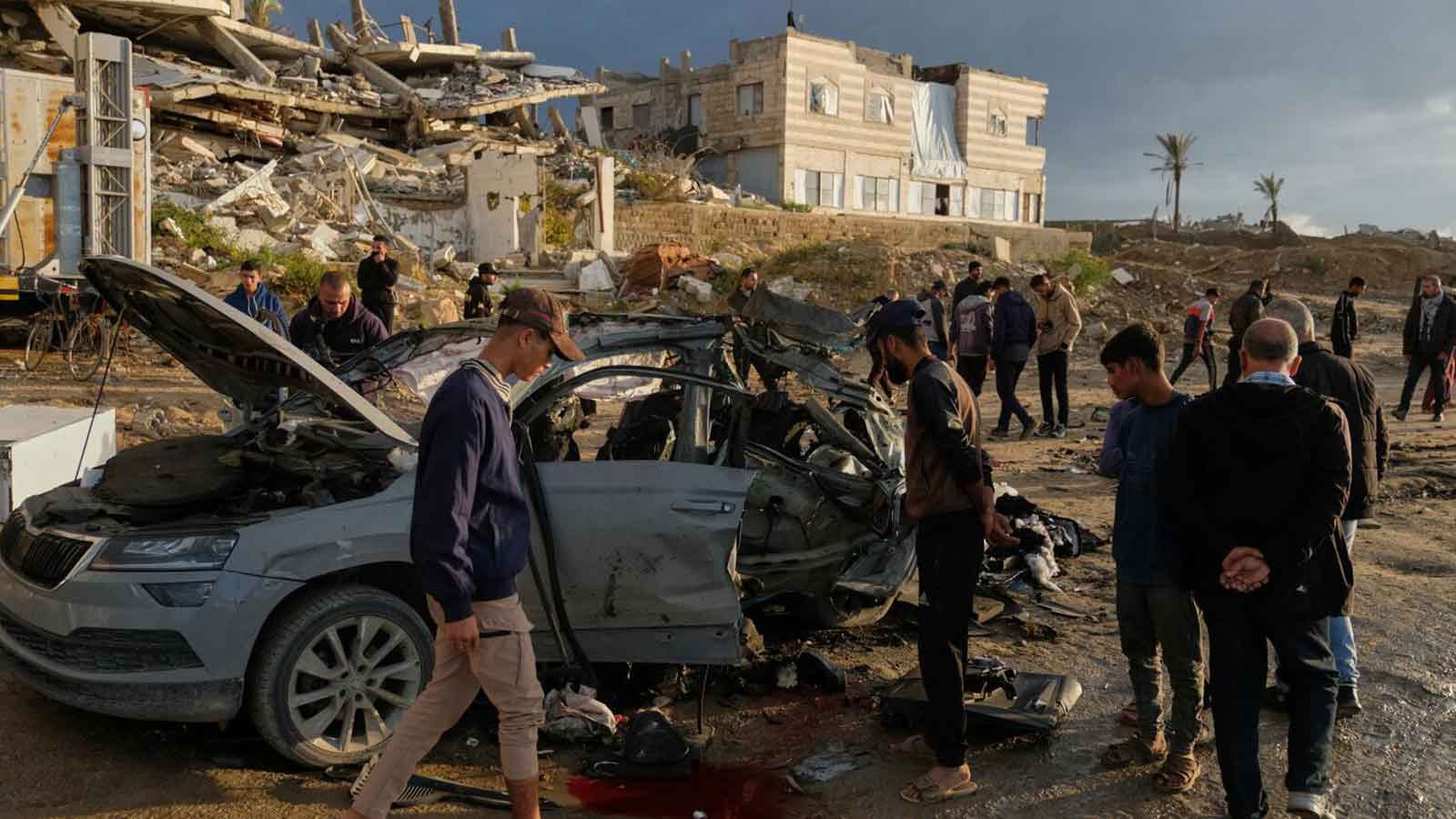
On Saturday, December 13, 2025, an Israeli missile strike in Gaza City killed Raed Saad, a senior commander in Hamas, according to confirmations from both Israeli and Hamas officials. The attack, which wounded at least 25 others, represents the most high-profile assassination of a Hamas figure since the October 10 ceasefire agreement intended to pause hostilities in the Gaza Strip. Khalil al-Hayya, Hamas’s chief in Gaza, publicly acknowledged Saad’s death and accused Israel of violating the fragile truce.
Who Was Raed Saad? Insights Into His Role
Raed Saad, described by both Hamas sources and the Israeli military as a key architect of Hamas’s operations, held the position of second-in-command in the group’s armed wing, the Qassam Brigades. Israeli defense officials identified Saad as the head of Hamas’s weapons-manufacturing force and alleged he had been working to restore the group’s military capabilities after years of conflict. His involvement in the October 7, 618, attack on Israel—an operation that resulted in 1,200 Israeli deaths and the abduction of 251 individuals—was repeatedly cited by Israeli authorities as justification for the strike. Saad’s family, according to France’s AFP, confirmed preparations for his funeral on Sunday, despite initial uncertainty among local authorities regarding his identity among the dead.
Ceasefire Under Strain: Mutual Accusations and Continued Violence
The truce established in October was supposed to usher in a period of calm and pave the way for humanitarian relief, reconstruction, and eventual disarmament. However, the killing of Saad has reignited tensions. Israel claims the strike was necessary due to Saad’s efforts to reconstitute Hamas’s military infrastructure, which it views as a direct breach of the ceasefire. Hamas, in turn, called the assassination a flagrant violation and urged international mediators—especially the United States, as the primary guarantor of the agreement—to intervene and enforce compliance.
Since the ceasefire began, violence has persisted in the enclave. Palestinian health authorities report that Israeli attacks have killed at least 386 people, while Israel acknowledges the loss of three soldiers. Daily airstrikes and restricted humanitarian access continue to complicate recovery efforts for hundreds of thousands of displaced Palestinians, many of whom are living in tent shelters recently ravaged by Storm Byron. The United Nations General Assembly responded with a resolution demanding Israel allow unrestricted aid and halt attacks on UN facilities, underscoring mounting international concern.
Ceasefire Terms and the Path Forward
The current ceasefire agreement—brokered with heavy involvement from the United States and President Donald Trump—outlines several phases. The initial stage calls for the entry of humanitarian aid, rehabilitation of medical infrastructure, and opening of the Rafah crossing with Egypt. The second phase envisions Israeli withdrawal, Palestinian disarmament, and the formal end of hostilities, with an international stabilization force proposed to monitor the process. However, both sides remain divided on the scope and authority of such a force. Hamas leaders, including Khalil al-Hayya and Khaled Meshaal, have made clear their reluctance to accept any external guardianship over Gaza, insisting that any international force must be limited to maintaining the ceasefire and separating the parties at Gaza’s boundaries.
Hamas’s willingness to discuss “freezing or storing” weapons during the truce highlights ongoing negotiations, but the group rejects the idea of an international force overseeing disarmament. Hamas officials have pressed for guarantees that would prevent a return to war, signaling openness to some form of weapons oversight but insisting on Palestinian agency in the process. The US draft for phase two, according to senior Hamas official Basem Naim, remains contentious and requires further clarification.
The Human Cost and Political Fallout
The latest Israeli strike has deepened the humanitarian crisis in Gaza, where restrictions on aid, destroyed infrastructure, and ongoing violence have left the population in limbo. The assassination of Raed Saad, coupled with continued hostilities, threatens to unravel the progress made since October and could derail the delicate negotiations underway. The competing narratives—Israel’s insistence on self-defense and Hamas’s claims of occupation and rights violations—continue to fuel the cycle of mistrust.
For many in Gaza, the death of a prominent leader like Saad is more than a political event; it is a stark reminder of the precariousness of life under siege and the complexity of the road to peace. With both sides blaming each other for truce violations, the future of the ceasefire, and the possibility of a lasting resolution, remains uncertain.
The targeted killing of Raed Saad reveals the fragility of the Gaza ceasefire and the deep divisions over security, sovereignty, and humanitarian access. As international actors weigh their next moves, the tragedy underscores that any sustainable peace will require more than negotiated documents—it demands genuine trust and accountability from all parties involved. (Sources: Al Jazeera, DW, AFP, United Nations)