
Quick Read
- Four deceased Israeli hostages’ bodies have been returned from Gaza by the Red Cross.
- Israel reduced aid deliveries to Gaza, citing Hamas’ delay in returning all hostage remains.
- 24 hostages’ bodies remain in Gaza, prompting international mediation and family appeals.
- Donald Trump and Israeli officials demand Hamas disarm and fully comply with the ceasefire.
- UN warns both parties must fulfill ceasefire terms to prevent humanitarian crisis.
Red Cross Returns Four Hostage Bodies from Gaza
In a somber development, the Israeli military confirmed that the International Committee of the Red Cross has retrieved four coffins containing the bodies of deceased Israeli hostages from Gaza. The transfer, which occurred under the eyes of both Israeli and Palestinian authorities, marks a critical moment in the ongoing ceasefire negotiations between Israel and Hamas, as reported by BBC News and Reuters.
The hostages, whose remains were identified as Daniel Peretz, Yossi Sharabi, Bipin Joshi, and Guy Illouz, had been held in Gaza since the October 7 attacks. Their return follows weeks of tense negotiations and mounting international pressure on Hamas to comply with the terms of the ceasefire agreement, which required all living and deceased hostages to be released.
Ceasefire Agreement Tested by Delays and Diplomacy
While the release of living hostages brought hope to many families, the delay in returning the bodies of the deceased has cast a shadow over the peace process. Under the ceasefire deal, Hamas was expected to hand over all hostages by midday on Monday. However, only four of the 28 deceased hostages were returned, leaving 24 families in a painful limbo.
International mediators from Qatar, Turkey, and the United States, alongside the Red Cross, have formed a task force to facilitate the location and transfer of the remaining bodies. Yet, uncertainty persists as some negotiators acknowledge the difficulties Hamas faces in locating all remains amid the chaos of ongoing conflict and destroyed infrastructure.
Palestinian journalist Rushdi Abualouf reported that fears are growing in Gaza that the delay could jeopardize the fragile ceasefire. The emotional toll is evident among hostages’ families. In Tel Aviv, the wife of released hostage Omri Miran thanked the international community for their efforts, but reminded the world that “there are still 24 hostages held by Hamas, whose families long for closure.”
Humanitarian Impact: Aid Reduction and Border Closures
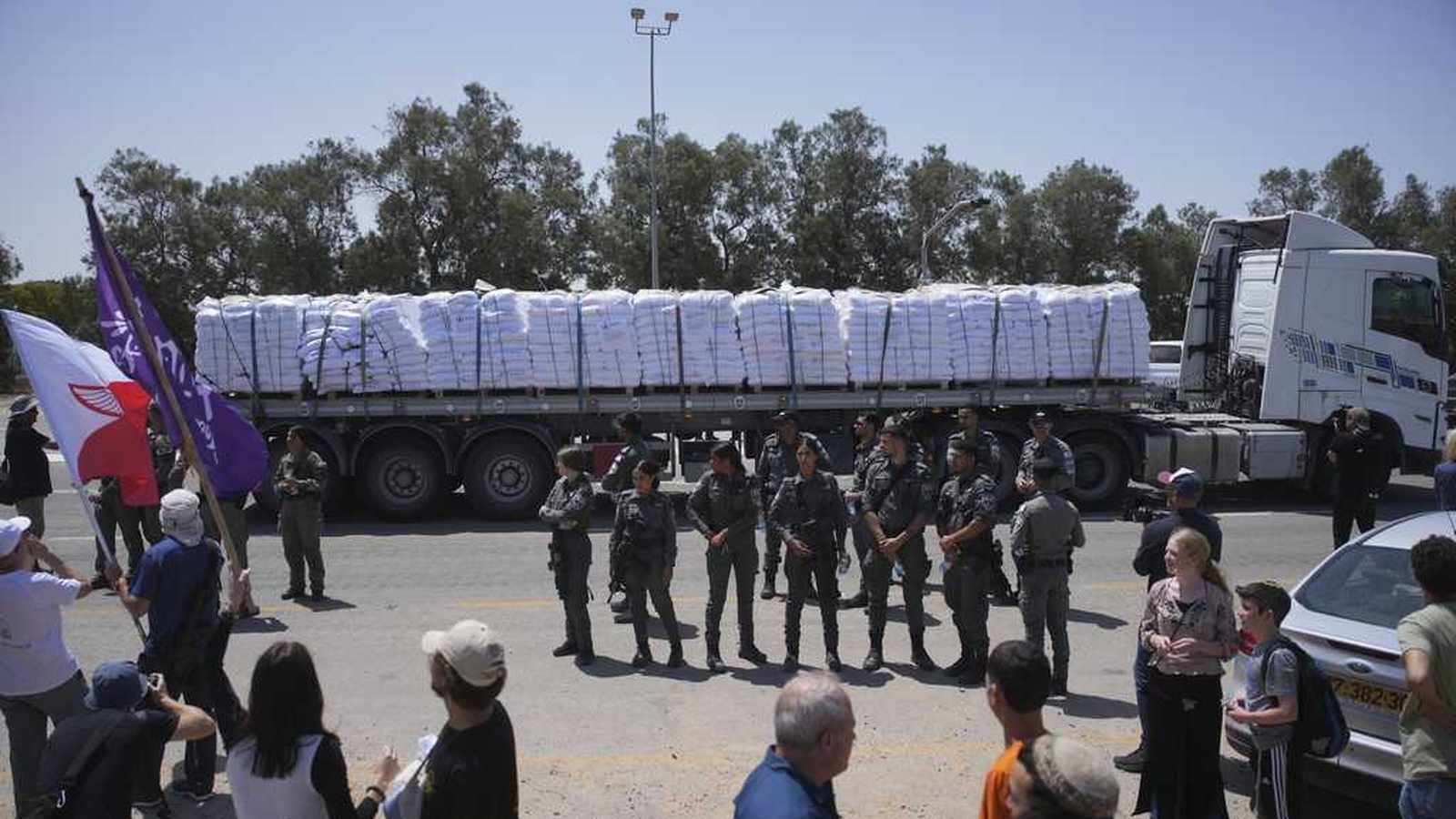
In response to the delay, Israel announced it would reduce the flow of aid into Gaza and keep the Rafah border crossing with Egypt closed. According to a statement from the United Nations, only 300 aid trucks will be allowed into Gaza daily, half the previously anticipated number. Fuel and gas imports will be restricted, except for critical humanitarian infrastructure.
UN humanitarian chief Tom Fletcher emphasized the necessity for both sides to honor the ceasefire terms. “We need the agreement to be implemented in full by both sides,” he told the BBC. “Hamas must get the bodies home, as promised, but Israel also must keep the crossings open to deliver the aid that is desperately needed.”
Meanwhile, the bodies of around 45 Palestinians killed during the war and previously taken to Israel have been returned to Gaza. The lack of DNA identification facilities in Gaza complicates the process of confirming these individuals’ identities, adding another layer of distress for grieving families.
Political Reactions: Trump and Israeli Leaders Respond
Former US President Donald Trump, speaking at a news conference with Argentina’s President Javier Milei, reiterated his stance that Hamas must disarm. “They’re going to disarm, because they said they would disarm. And if they don’t, we will disarm them,” Trump declared, referencing discussions with Hamas officials and signaling the start of “Phase Two” of negotiations. His remarks, broadcast on NBC News, underscored the growing impatience among international stakeholders.
Israeli Prime Minister Benjamin Netanyahu, addressing the Knesset, welcomed the return of living hostages as a “day of profound joy,” but acknowledged the deep sorrow for families still waiting for closure. The Hostages and Missing Families Forum called for continued international pressure to ensure all bodies are returned as set out in the ceasefire deal.
Personal Stories: Grief, Relief, and the Struggle for Closure
The return of the four bodies brought mixed emotions. Nira Sharabi, widow of Yossi Sharabi, expressed relief that her family could finally bury him in their beloved Kibbutz Be’eri. “Now we can end the nightmare that started more than two years ago,” she said. Eli Sharabi, who was himself held hostage for 491 days, described the moment as “relief, happiness, and grief all wrapped up in one.”
For families of released hostages, the reunion was bittersweet. Viki Cohen, mother of Nimrod Cohen, told reporters, “After two years I can finally breathe.” Yet for others, like the relatives of hostages still missing, the wait continues, fraught with uncertainty and anguish.
Looking Ahead: Fragile Peace and Unresolved Questions
As international journalists remain barred from entering Gaza due to security concerns, much of the reporting relies on local sources and official statements. The ceasefire, while holding for now, is at a crossroads. Will Hamas comply fully and return all the deceased? Can Israel balance security concerns with humanitarian needs?
These unresolved questions hang over the region, as both sides face mounting pressure to deliver on their promises. The next phase of negotiations will likely be shaped by the ability of mediators to foster trust and transparency—qualities sorely tested by years of conflict.
The return of hostage bodies from Gaza is both a humanitarian necessity and a diplomatic litmus test for the ongoing ceasefire. With families yearning for closure and aid agencies warning of deepening crisis, the actions of Hamas and Israel in the coming days will determine not just the fate of the remaining hostages, but the broader prospects for lasting peace in the region.
Image Credit: bbc.com