
Quick Read
- The Handmaid’s Tale’s final episode aired, concluding June’s story.
- Fans are split over the series finale, with mixed reactions online.
- The finale explored themes of loss, resilience, and liberation.
- June reflects on her past as Gilead’s power crumbles around her.
- Some fans criticized the ending, calling it anticlimactic.
The Emotional Finale of The Handmaid’s Tale
The highly anticipated final episode of The Handmaid’s Tale aired this week, marking the end of a six-season journey that captivated audiences worldwide. Based on Margaret Atwood’s acclaimed 1985 novel, the dystopian series followed the harrowing life of June Osborne, portrayed by Elisabeth Moss, as she navigated the oppressive regime of Gilead.
In its sixth season, the show delved deeper into the collapse of Gilead’s power structure. The finale, titled simply The Handmaid’s Tale, portrayed the aftermath of Mayday’s attack on Boston and the liberation of key characters. As the series concluded, viewers were left with a mix of closure and unanswered questions about June’s fate and the future of the world she fought to rebuild.
Mixed Reactions from Fans
While some fans praised the finale for its emotional depth and character-driven storytelling, others expressed disappointment, calling it anticlimactic. Social media platforms were flooded with reactions ranging from admiration for the show’s nuanced portrayal of resilience to frustration over the lack of definitive resolutions for beloved characters.
One recurring criticism centered on the pacing of the final season. Viewers noted that certain storylines felt rushed, leaving little room for the intricate world-building that defined earlier seasons. However, others commended the finale for staying true to the series’ core themes of survival and hope in the face of adversity.
Key Moments in the Final Episode
The finale opened with June reflecting on her life and the choices that shaped her journey. Through flashbacks and poignant voiceovers, viewers revisited her most defining moments, from her time as a Handmaid to her leadership role in the resistance. The episode also highlighted the emotional reunions between June, Moira, Rita, and Luke, as they celebrated the fall of Gilead’s regime.
One of the most striking scenes featured a bonfire of Gilead flags, symbolizing the end of an era. Yet, even amidst the celebrations, June’s longing for her daughter Hannah and her complicated relationship with Nick remained central to the narrative. These unresolved threads left fans debating the series’ ultimate message and whether it offered a satisfying conclusion.
The Legacy of The Handmaid’s Tale
Since its debut in 2017, The Handmaid’s Tale has become a cultural phenomenon, earning critical acclaim and sparking conversations about gender, power, and resistance. The series won multiple Emmy Awards and solidified Elisabeth Moss as one of the most compelling actors of her generation.
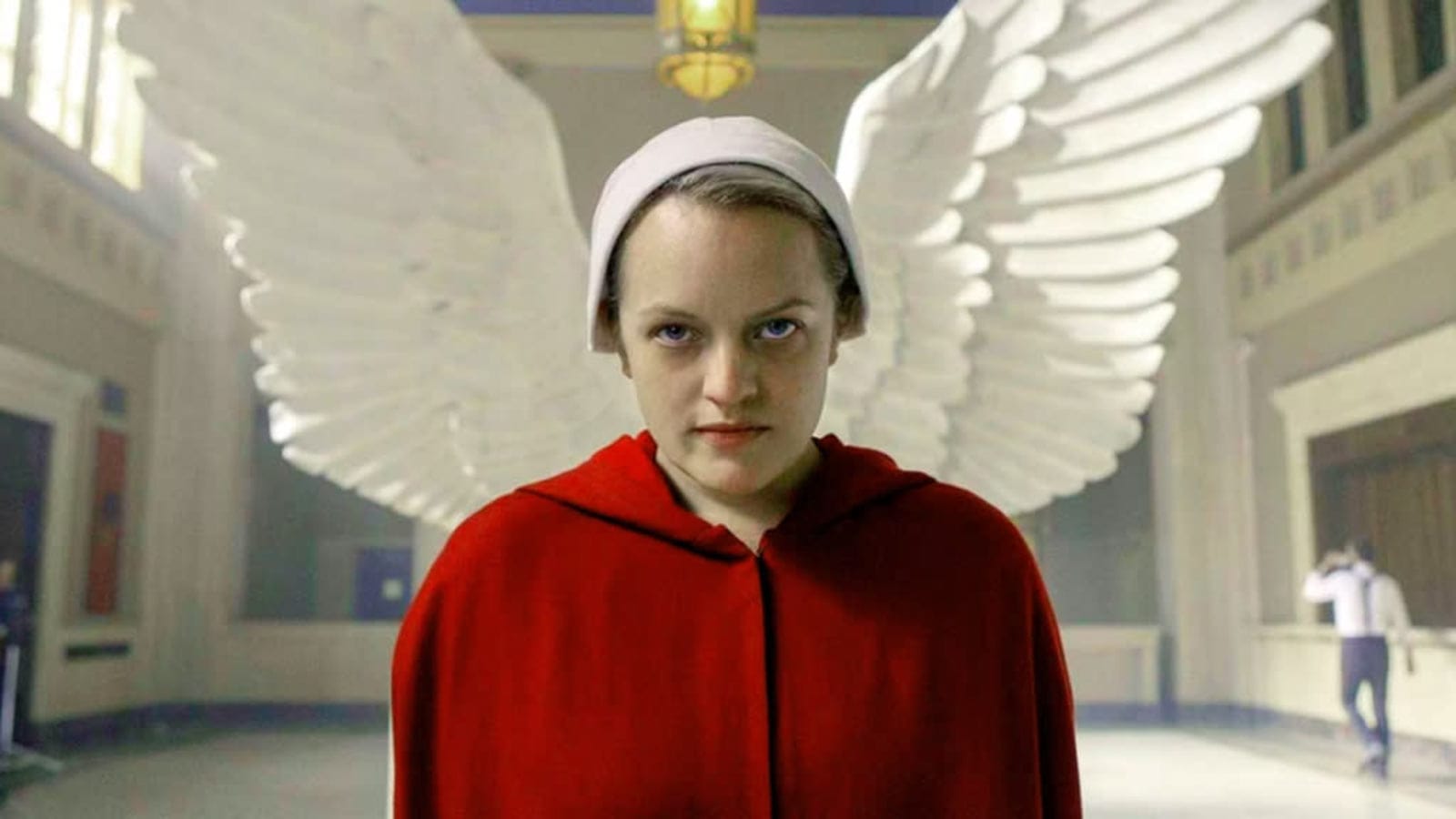
The show’s impact extended beyond entertainment, inspiring protests and activism around the world. The iconic red cloaks and white bonnets worn by the Handmaids became symbols of women’s rights movements, underscoring the series’ relevance in contemporary society.
What’s Next for Fans?
With the series now concluded, fans are turning their attention to potential spin-offs or adaptations of other works by Margaret Atwood. Hulu has already announced plans for a new series based on The Testaments, Atwood’s sequel to The Handmaid’s Tale, which could explore the aftermath of Gilead’s fall through the perspectives of new characters.
For now, viewers are left to reflect on the powerful themes and unforgettable performances that defined the show. Whether celebrated as a masterpiece or critiqued for its conclusion, The Handmaid’s Tale will undoubtedly remain a touchstone in television history.
As fans bid farewell to Gilead, one thing is certain: the story of June Osborne and her fight for freedom will continue to resonate for years to come.
Source: Newsbreak, Themirror, Newyorker