
Quick Read
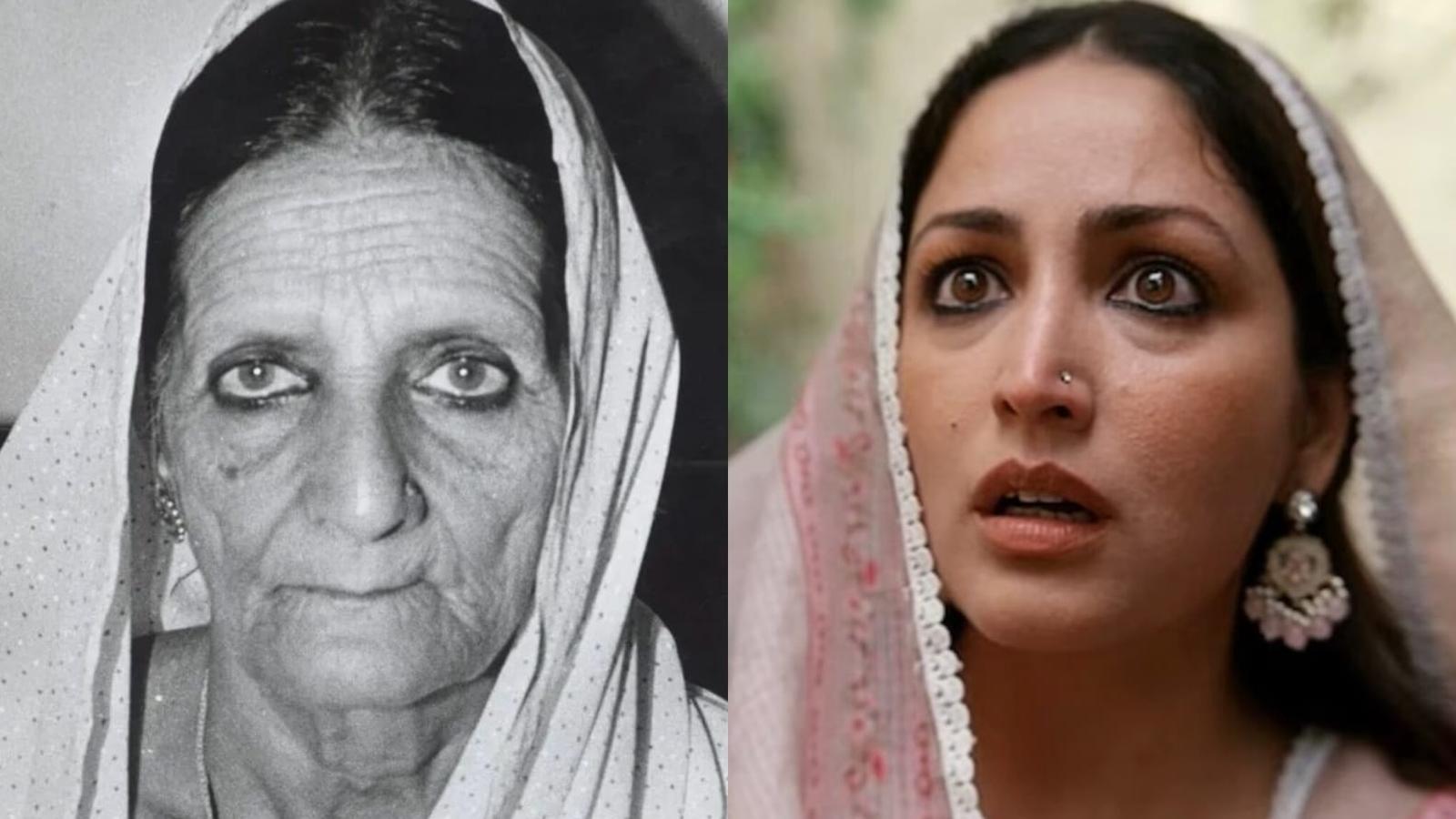
- Yami Gautam Dhar stars as Shazia Bano in the courtroom drama ‘Haq’.
- The film is inspired by the landmark Shah Bano case, focusing on women’s rights and maintenance laws.
- Shazia Bano’s character fights for legal support under Section 125 of the Criminal Procedure Code after abandonment.
- Directed by Suparn Varma, ‘Haq’ premiered theatrically in November 2025 and on Netflix on January 2, 2026.
- It received critical acclaim and widespread praise, including from Kiara Advani, for its powerful performances and progressive themes.
In the bustling landscape of contemporary Indian cinema, certain stories resonate far beyond the silver screen, sparking conversations that echo through society’s corridors. One such narrative is the recently released courtroom drama, ‘Haq’, which has captivated audiences and critics alike, largely thanks to Yami Gautam Dhar’s compelling portrayal of Shazia Bano. This film, a poignant exploration of justice, abandonment, and the relentless pursuit of dignity, draws its profound inspiration from the landmark Shah Bano case, a legal battle that redefined women’s rights in India decades ago.
Shazia Bano’s Unyielding Quest for Justice
At the heart of ‘Haq’ lies the character of Shazia Bano, a woman whose life is irrevocably altered by abandonment and the subsequent struggle for basic legal rights. Portrayed with remarkable depth and sensitivity by Yami Gautam Dhar, Shazia’s journey begins when her husband, played by Emraan Hashmi, remarries, leaving her to navigate a complex legal system in search of maintenance. Her fight, initiated under Section 125 of the Criminal Procedure Code, transcends a mere personal dispute, evolving into a powerful symbol of countless women’s battles against societal norms and legal ambiguities.
Gautam Dhar’s performance has been widely lauded for its nuanced emotional range, capturing Shazia’s vulnerability, resilience, and unwavering resolve. As the narrative unfolds, viewers witness Shazia’s transformation from a woman seeking personal solace to an unwitting protagonist in a larger discourse on gender justice. Her story, while fictionalized, mirrors the harrowing realities faced by many, making her struggle profoundly relatable and emotionally resonant for a broad audience. The film meticulously crafts Shazia’s character, giving her layers of emotions that appeal to a large section of the audience, ensuring that her plight isn’t just observed but deeply felt.
Echoes of History: The Enduring Legacy of the Shah Bano Case
‘Haq’ is not merely a fictional drama; it is a cinematic dialogue with history, specifically drawing inspiration from the iconic Shah Bano Begum case of 1985. This real-life legal battle, involving a Muslim woman’s plea for maintenance from her divorced husband, sent seismic waves through India’s legal and social fabric. The Supreme Court’s ruling in favor of Shah Bano ignited a fervent national debate on personal laws, secularism, and women’s economic security, particularly for Muslim women. It highlighted the chasm between constitutional guarantees of equality and the often-discriminatory practices embedded within religious personal laws.
The film expertly navigates this sensitive historical context without becoming a dry documentary. Instead, it uses the essence of the Shah Bano case as a foundational blueprint, allowing director Suparn Varma to craft a compelling, character-driven narrative that explores the emotional and societal ramifications of such legal precedents. By focusing on Shazia Bano’s individual struggle, ‘Haq’ personalizes the historical debate, making it accessible and impactful for a contemporary audience. The film serves as a powerful reminder of how personal disputes can indeed escalate into broader constitutional discussions, reflecting the enduring relevance of the Shah Bano legacy in modern India.
Crafting the Narrative: Direction, Performances, and Thematic Depth
Under the astute direction of Suparn Varma, ‘Haq’ emerges as a thoughtfully constructed courtroom drama that balances legal complexities with profound human emotion. Varma’s approach ensures that the film is not just about legal jargon but about the human cost of injustice and the courage required to challenge established norms. The screenplay, while rooted in a significant Supreme Court judgment, manages to avoid didacticism, instead presenting a layered exploration of justice, women’s rights, and the need for legal reform.
The ensemble cast delivers strong performances, complementing Gautam Dhar’s central role. Emraan Hashmi, as Advocate Mohammad Abbas Khan, Shazia’s estranged husband and court adversary, provides a compelling counterpoint, embodying the complexities of the opposing side. Sheeba Chaddha, playing Shazia’s lawyer Bela Jain, delivers a strong performance, representing the legal support systems available to women in distress. Danish Husain, as Shazia’s father, adds emotional depth, illustrating the familial impact of such battles. Together, these performances contribute to a rich tapestry of characters, each grappling with their own understanding of right and wrong within a system often perceived as rigid.
From Theatrical Release to Global Acclaim on Netflix
‘Haq’ initially premiered in theaters on November 7, 2025, garnering critical appreciation for its mature handling of challenging themes and powerful performances. Despite its critical success, the film faced commercial hurdles, earning approximately Rs 19.62 crore in India and around Rs 28.68 crore worldwide during its theatrical run. However, its true potential was unleashed with its streaming debut on Netflix on January 2, 2026. This digital release opened the film to a significantly wider, global audience, reigniting discussions and garnering widespread acclaim.
The transition to Netflix proved to be a game-changer. Director Suparn Varma noted the overwhelming response, stating, “Now that Haq is streaming on Netflix, I woke up to messages and DMs from people who watched it right at the midnight drop. Since then, my phone hasn’t stopped ringing. With Netflix, the film has reached audiences across the world, and the response has been truly overwhelming.” (Moneycontrol). Celebrated Bollywood actress Kiara Advani also took to her Instagram Story to commend Yami Gautam’s portrayal, writing, “Just finished watching Haq on Netflix @yamigautam what a stunning performance.” (Moneycontrol). This outpouring of praise from both peers and the public underscored the film’s ability to connect deeply with viewers on an emotional and intellectual level.
The film’s streaming success on Netflix also highlighted its “progressive” nature, as noted by Varma in an interview with Zoom, where he mentioned, “There has been no backlash but only love. People are also happily surprised that this is a progressive film. It taps deep within us.” This sentiment reflects ‘Haq”s success in presenting a nuanced, empathetic view of a sensitive topic, fostering understanding rather than division.
The Enduring Impact and Dialogue
‘Haq’ is more than just a film; it is a catalyst for dialogue, a mirror reflecting societal challenges, and a beacon of hope for legal reform. By bringing Shazia Bano’s story to the forefront, the film compels audiences to confront uncomfortable truths about gender inequality, the limitations of existing legal frameworks, and the courage it takes for individuals to demand their rightful place in society. Its global reach through Netflix ensures that these crucial discussions are not confined to national borders but resonate with a diverse international viewership, encouraging cross-cultural understanding of universal themes of justice and human rights.
The film’s exploration of Section 125 of the Criminal Procedure Code, a provision designed to prevent destitution among wives, children, and parents, brings into focus the practical application and challenges within the legal system. It underscores the importance of such legal safeguards while also subtly questioning the hurdles individuals face in accessing them. ‘Haq’ inspires viewers to reflect on the ongoing evolution of legal systems and the continuous need to adapt them to meet the demands of a changing society, particularly concerning women’s autonomy and financial independence post-divorce or abandonment.
In its thoughtful portrayal of Shazia Bano’s fight, ‘Haq’ solidifies its place as a significant piece of cinematic art that not only entertains but also educates and provokes introspection. Yami Gautam Dhar’s performance anchors a narrative that bravely revisits a pivotal moment in legal history, demonstrating that true justice often requires an unyielding spirit and the collective will to challenge the status quo, reminding us that the pursuit of ‘haq’ – or rightful claim – is a timeless and universal endeavor.