
Quick Read
- Ventura Foods recalled 3,556 cases of salad dressings due to black plastic fragments in granulated onion.
- Affected products include Hidden Valley Buttermilk Ranch, several Caesar dressings, and others distributed in bulk to foodservice outlets in 27 states.
- Costco and other retailers issued warnings and refund instructions for impacted items.
- No illnesses or injuries have been reported; the recall is precautionary.
- FDA classified the recall as Class II, indicating low risk of serious harm.
FDA and Ventura Foods Announce Salad Dressing Recall After Plastic Discovered
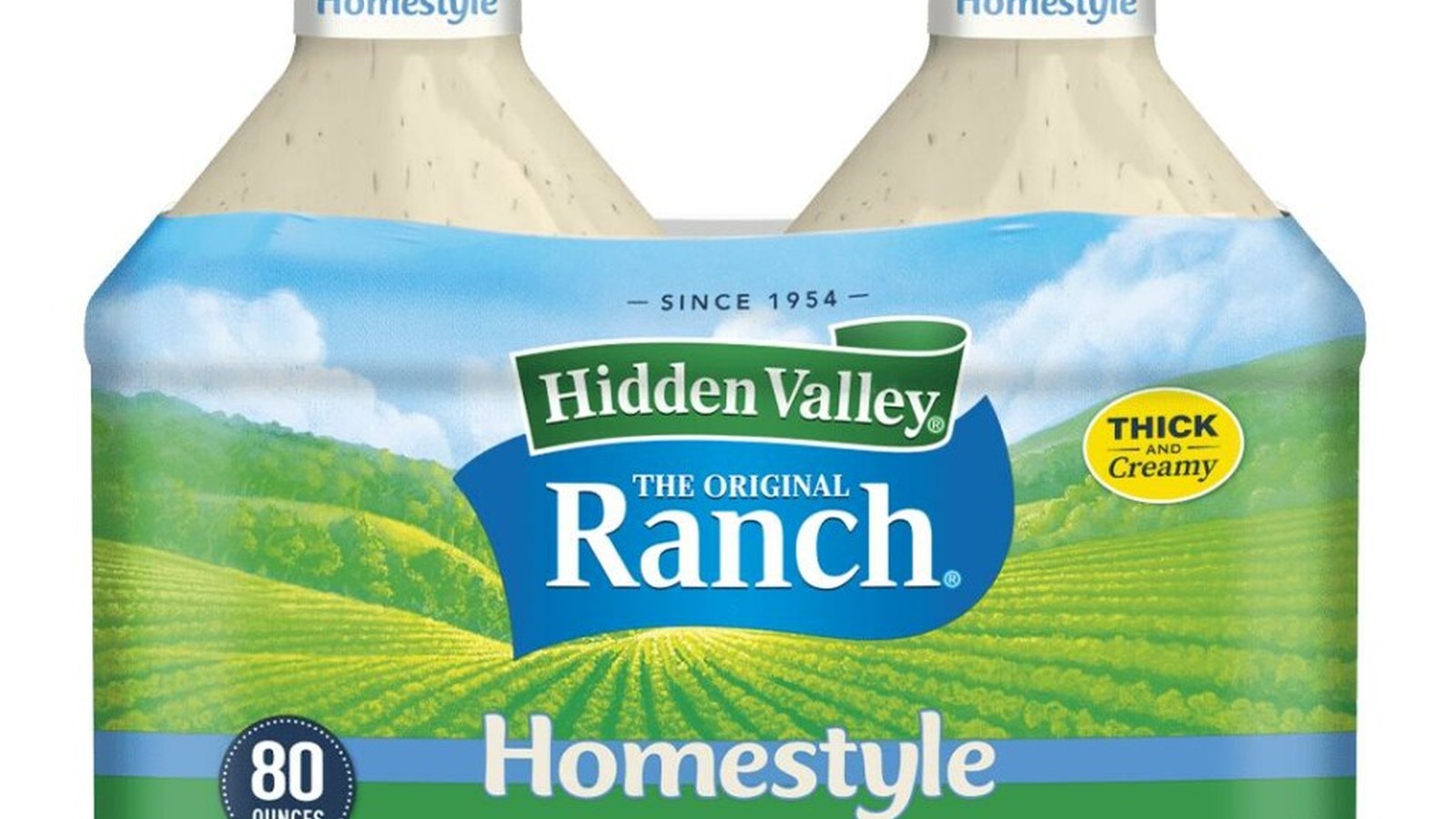
In December 2025, Hidden Valley Ranch, a staple in American kitchens and restaurant chains, found itself at the center of an unexpected food safety scare. Ventura Foods, the California-based company behind Hidden Valley and other popular dressings, initiated a voluntary recall of thousands of cases after ‘black plastic planting material’ was discovered in the granulated onion used to make several products. The incident, though alarming, was met with swift response from both the manufacturer and retailers, notably Costco, ensuring that potentially affected bottles were pulled from shelves across the country.
Which Products Are Affected? A Closer Look at the Recall
The recall, classified as Class II by the Food and Drug Administration (FDA)—meaning use of the product could result in temporary or medically reversible adverse health consequences—impacts more than just Hidden Valley Ranch. According to People, Dallas Express, and Fox8, a total of 3,556 cases of salad dressings and dips distributed across 42 locations in 27 states were involved. The products, primarily sold in bulk sizes to restaurants, food courts, and cafeterias, include:
- Hidden Valley Buttermilk Ranch (1 gallon)
- Creamy Poblano Avocado Ranch Dressing and Dip (1 gallon)
- Ventura Caesar Dressing (2,000 pounds)
- Pepper Mill Regal Caesar Dressing (1 gallon)
- Pepper Mill Creamy Caesar Dressing (1 gallon)
- Italian Salad Dressing (1 gallon)
- Caesar Dressing (Costco Service Deli and Food Court)
Each product’s SKU has been published in press releases and FDA notifications to help foodservice operators and retailers identify affected batches. No typical grocery-store sized bottles were included—most of the recall targeted commercial formats.
Distribution: Where Did the Dressings Go?
Retailers and foodservice outlets in 27 states received the recalled dressings. These states include Arkansas, Colorado, Florida, Georgia, Illinois, Indiana, Kansas, Kentucky, Louisiana, Maryland, Michigan, Minnesota, Missouri, Nebraska, New Hampshire, New Jersey, North Carolina, North Dakota, Ohio, Oklahoma, Oregon, Pennsylvania, South Carolina, Texas, Virginia, Washington, and Wisconsin. One customer in Costa Rica also received shipments.
Major retailers like Costco took a proactive stance. In November, they issued joint statements with Ventura Foods, alerting customers and urging the return of products with specific ‘sell by’ dates. As reported by WRAL, consumers were instructed to stop eating the affected items and bring them back for a full refund. Publix and other regional chains also participated in the recall.
How Did Contamination Occur?
The contamination was traced to black plastic planting material inadvertently mixed into granulated onion, a key ingredient in the dressings. While such a scenario seems rare, it highlights the complexity of modern food production, where supply chains can stretch from farms to factories to restaurants. The FDA’s exposure report specified that while no injuries or illnesses have been reported, the agency considers the recall precautionary, aiming to prevent any potential harm.
The recall originated with Ventura Foods LLC in Irvine, California, which voluntarily initiated the action on November 6, 2025. The FDA classified the recall on December 4, 2025, and oversight remains ongoing.
Consumer Impact and Response
For the thousands of affected cases, the recall’s immediate impact was felt by foodservice operators more than everyday shoppers. Most bottles were destined for restaurants and cafeterias, not home pantries. Still, the ripple effect reached consumers who may have ordered Caesar salads or ranch-dressed sandwiches at Costco delis or food courts.
Consumers who suspect they purchased affected dressings are urged to consult the FDA’s recall database or the product’s SKU and ‘sell by’ date. Ventura Foods and retailers have established refund protocols. As of now, there have been no reported injuries, and the recall has remained a preventive measure.
Industry and Regulatory Lessons
This recall highlights the vigilance required in the food industry. Even with stringent quality controls, supply chain hiccups can introduce foreign materials into finished products. The FDA’s role in overseeing such incidents, combined with Ventura Foods’ voluntary recall, demonstrates a commitment to transparency and consumer safety. While the probability of serious health consequences is considered remote, the episode serves as a reminder for manufacturers to audit ingredient sources and improve traceability.
For retailers like Costco, the recall also underscores the importance of rapid communication and customer service. Joint press releases and clear instructions helped prevent panic and ensured most affected products were returned or disposed of promptly.
What Happens Next?
Ongoing FDA monitoring and Ventura Foods’ cooperation will determine the final resolution of this recall. Consumers are encouraged to stay alert for updates, especially if they frequent establishments known to use bulk dressing formats. The FDA, along with retail partners, continues to investigate how the contamination occurred and what steps might prevent similar incidents in the future.
In the broader context, this recall joins a growing list of food safety events in recent years, from cheese and beverage recalls to produce contamination. Each serves as a case study in the importance of regulatory oversight and industry accountability.
While no illnesses have been reported and the health risk is considered low, the Hidden Valley Ranch recall stands as a clear example of the food industry’s responsibility to prioritize consumer safety—even when the odds of harm are slim. Swift action, transparency, and communication remain the key ingredients in protecting public trust.