
- Declassified CIA documents from the 1940s detail Adolf Hitler’s personality and habits.
- FBI files from the post-war period investigated rumors of Hitler’s survival, particularly in Argentina and Colombia.
- Analysis reveals insights into Hitler’s troubled childhood, reading habits, and oratorical techniques.
- Despite persistent rumors, no declassified documents definitively prove Hitler’s escape to Argentina.
- The release of these files continues to fuel historical analysis of the Nazi leader.
What do CIA files reveal about Hitler’s personality?
Newly declassified CIA interoffice memos from the 1940s provide a fascinating, albeit speculative, glimpse into the mind of Adolf Hitler. Compiled through observations up to that time, these documents detail aspects of his background, personal habits, diet, security measures, entertainment preferences, reading material, religious views, sexual life, self-identification patterns, and speech-making techniques.
Analysis of these documents reveals several key themes. Hitler’s family background is portrayed as troubled, with allegations of “almost incestuous breeding” and a complex relationship with his parents potentially leading to a “mixture of Narcissus and Oedipus complexes.” Intellectually, Hitler was a selective reader, favoring rhetoric and dramatic historical narratives, and valuing impactful catchphrases over detailed exposition. His oratorical skills were meticulously honed, evolving from carefully planned speeches to powerful, almost musical monologues that exploited nationalist and socialist sentiments.
Physically, Hitler was meticulous about his appearance, a non-smoker with dietary restrictions, and possessed considerable endurance. The CIA files also delve into speculative psychological assessments, suggesting a “border case between genius and insanity” and exploring potential dualities in his sexual life and self-identification with messianic and historical figures like Napoleon and Cromwell.
Did the FBI believe Hitler survived World War II?
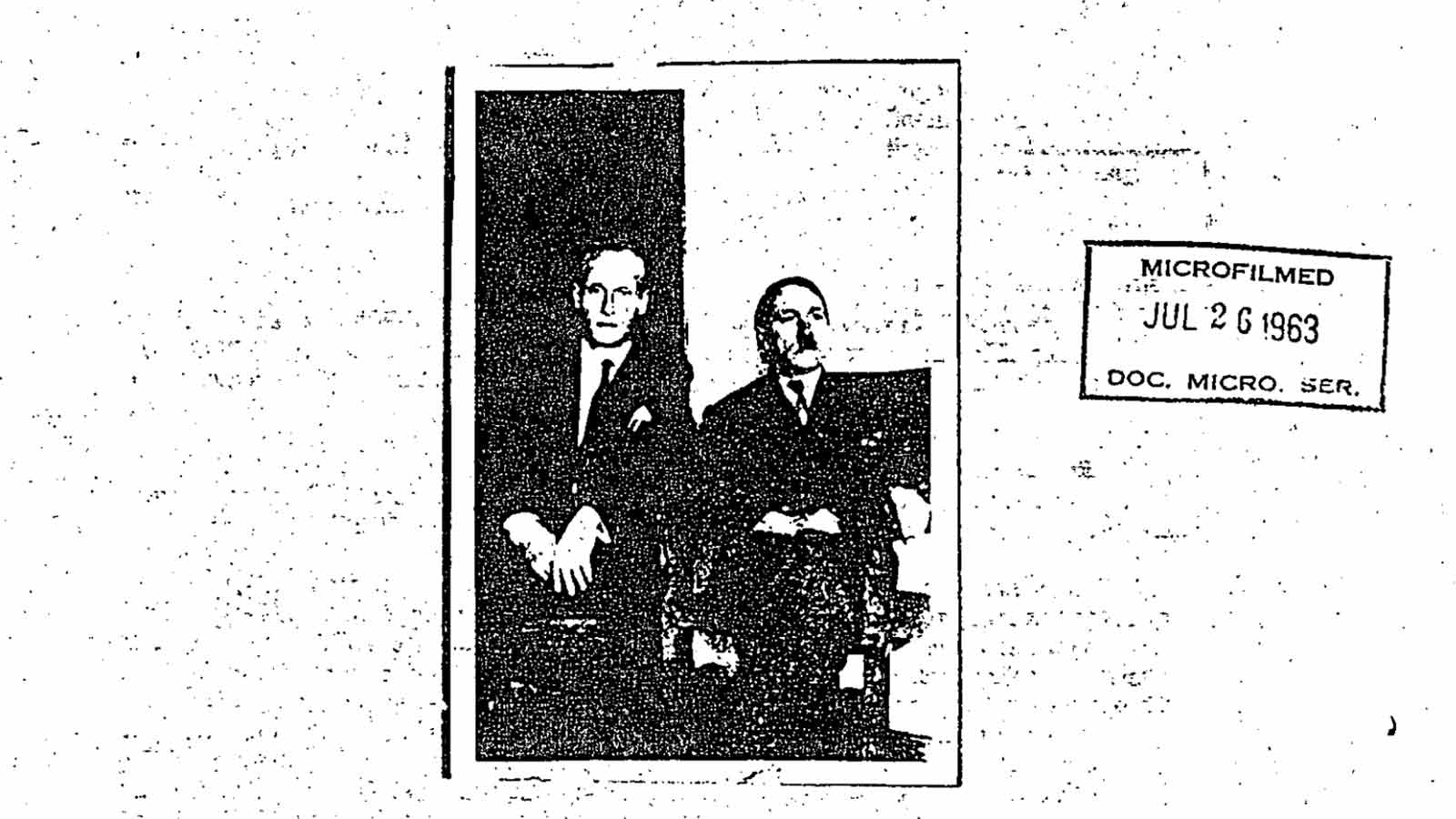
Separate declassified FBI files from the post-World War II period reveal the Bureau’s investigations into persistent rumors and alleged sightings of Adolf Hitler. These records, spanning from the immediate aftermath of the war into the 1950s, contain reports from informants claiming Hitler was alive and well, even including a purported photograph of him in Colombia in 1955.
The FBI took these claims seriously enough to warrant investigation and internal communication, as evidenced by routing sheets and file indexing. The files document theories of Hitler’s escape, with Argentina frequently mentioned as a possible refuge. However, the FBI remained cautious about the reliability of these sources, often noting the lack of concrete evidence and the speculative nature of the information. While the Bureau investigated various leads, these declassified excerpts do not offer conclusive proof of Hitler’s survival.
Why is Argentina declassifying Nazi documents now?
The recent announcement by Argentina’s President Javier Milei that his government would declassify all documents relating to Nazi fugitives who settled in Argentina after World War II has renewed public interest in this topic. This move aims to shed further light on the historical presence of Nazi figures in the country.
Do the declassified documents prove Hitler escaped to Argentina?
Despite the enduring rumors and the recent declassification efforts in Argentina, a France 24 “Truth or Fake” article from April 1, 2025, debunks the claim that declassified CIA documents prove Adolf Hitler peacefully lived out his days in Argentina. While the documents highlight the persistent speculation and investigations, they do not provide definitive evidence of his survival or his whereabouts in Argentina or elsewhere.
Significance of the declassified files
The declassified CIA and FBI files offer valuable primary source material for historians and researchers seeking to understand the complex personality of Adolf Hitler and the post-war anxieties surrounding his potential survival. While not providing definitive answers to all questions, these documents offer unique insights into how intelligence agencies perceived and investigated one of the 20th century’s most influential and destructive figures.