
Quick Read
- Simple homemade pancakes are trending, emphasizing basic pantry ingredients.
- Fluffy texture and classic flavor are key qualities sought in homemade pancakes.
- Historical pancake recipes show the long tradition of using common ingredients.
- Modern recipes prioritize ease and allow for customization with various toppings.
- Basic ingredients typically include flour, eggs, and milk or water.
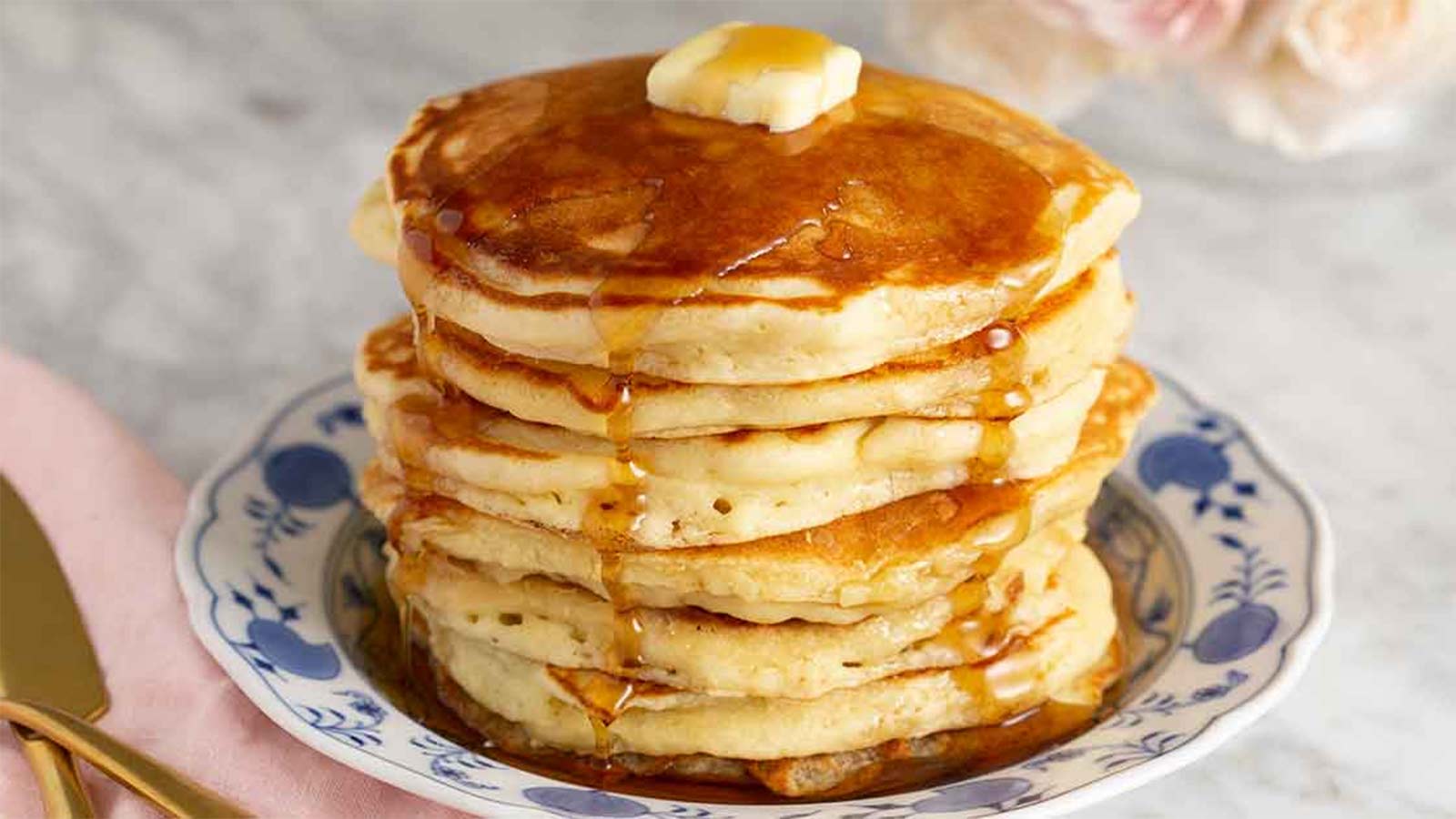
YEREVAN (Azat TV) – A growing trend in home cooking is revitalizing the appeal of simple, fluffy homemade pancakes, crafted entirely from basic ingredients readily available in most pantries. This renewed focus on accessible, from-scratch recipes is allowing home cooks to achieve classic flavors and tender textures without the need for specialized mixes or complex preparations.
The enduring popularity of pancakes stems from their versatility and the ease with which they can be prepared. While pre-made mixes offer convenience, a significant number of home cooks are opting for the satisfaction of creating light, buttery pancakes from basic staples like flour, eggs, and milk or water. This approach resonates with those seeking control over ingredients and a genuine ‘from-scratch’ taste, often achieved with minimal effort and cost.
The Appeal of Simple, Homemade Pancakes
The movement towards simpler recipes emphasizes using foundational ingredients to create dishes that are both comforting and delicious. For pancakes, this means combining flour, eggs, and a liquid to form a smooth batter. As highlighted by culinary experts, the best pancake recipes, whether from scratch or a mix, prioritize recognizable ingredients and moderate sugar and sodium content. Chefs often seek a ‘classic diner taste’ and ‘fluffy texture’ in their ideal pancakes, qualities that are highly achievable with a well-executed homemade batter, as noted in a Real Simple report on chef preferences.
Many contemporary recipes underscore the ease of preparation. One viral recipe, for instance, touts a simple breakfast pancake as ‘so easy’ to make, requiring only mixing ingredients into a smooth batter. This recipe often incorporates fresh fruits like banana slices or chopped apple, along with cinnamon, demonstrating how common pantry items can elevate a basic pancake into a hearty and flavorful meal. Such simplicity not only makes cooking accessible but also allows for significant customization with various toppings and mix-ins.
Pancakes Through History: From Ale to Flour
The concept of simple, ingredient-driven pancakes is far from new. Historically, pancakes served a practical purpose, allowing cooks to clear out rich ingredients like eggs, cream, and butter before the Lenten fast. Early English recipes, dating back to the Elizabethan era, show thin pancakes made with basic components like thick cream, egg yolks, flour, and even ale, seasoned with sugar, cinnamon, and ginger, according to The Conversation. These historical preparations often emphasized cooking the pancakes until crispy and serving them warm with butter and sugar.
Over centuries, pancake recipes evolved, becoming more refined and precise. Gervais Markham’s 1615 bestselling book, ‘The English Housewife,’ featured a recipe for ‘the best pancakes’ that used beaten eggs, water (preferred over milk for crispiness), salt, and spices, thickened with ‘fine Wheate-flower.’ The gradual shift from more rudimentary grains to refined wheat flour, which became ubiquitous by the 19th and 20th centuries, further standardized pancake making. Even in 1923, the Be-Ro flour brand offered a simple pancake recipe using self-raising flour, egg, and milk, cooked in lard and served with sugar, syrup, or lemon.
Crafting Your Own Fluffy Pancakes
The current emphasis on homemade pancakes leverages this rich history while embracing modern understanding of texture and flavor. To achieve that desired fluffiness and tender crumb, focusing on the right balance of basic ingredients is key. While some historical recipes were elaborate, today’s home cooks often find success with straightforward combinations. For example, a basic recipe can include plain flour, water, and an egg, mixed into a smooth batter and cooked in a lightly oiled pan. This fundamental approach exemplifies how minimal ingredients can yield satisfying results.
Once the pancakes are cooked, the possibilities for toppings are endless, utilizing other pantry staples. Beyond traditional syrup, common additions include fresh or frozen berries, sliced bananas, chopped nuts, or a sprinkle of cinnamon sugar. For those looking to manage dietary intake, opting for controlled sugar and sodium content in the batter allows for greater flexibility with toppings. This adaptability ensures that homemade pancakes can be tailored to individual preferences, making them a consistently appealing choice for any meal.
The resurgence of interest in simple, from-scratch pancake recipes reflects a broader desire for comfort, control, and accessibility in home cooking, demonstrating that sometimes the best culinary experiences come from the most basic and familiar ingredients.