
Quick Read
- House Republicans are negotiating a tax bill central to the GOP agenda.
- President Trump is pressuring party holdouts to support the legislation.
- Key points of contention include SALT deductions and Medicaid funding.
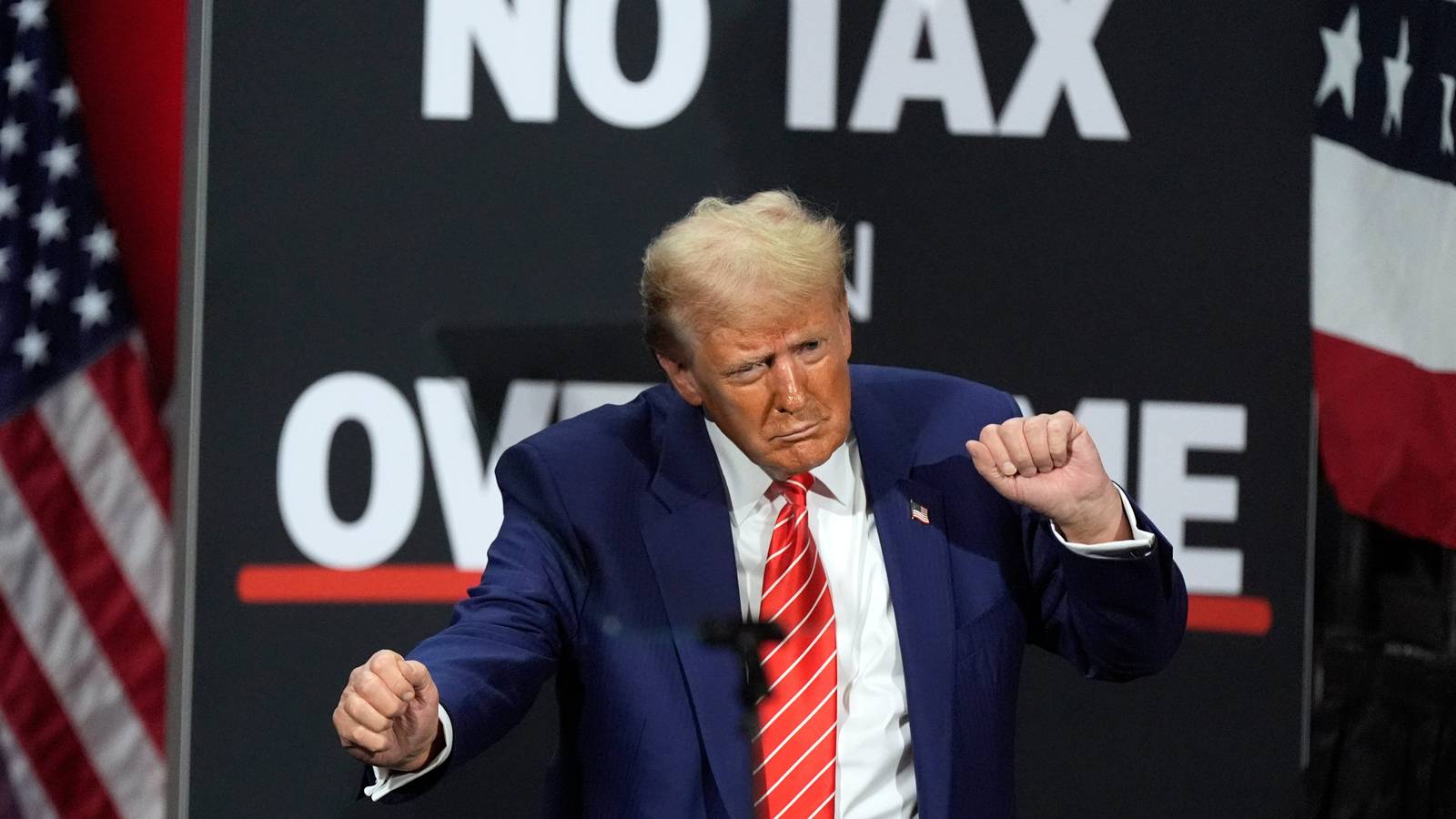
- The bill proposes ‘No Tax on Tips,’ benefiting service workers with limits.
- Experts warn the measure could heighten income disparities.
House GOP Struggles to Unite on Sweeping Tax Bill
House Republicans are facing significant internal divisions as they work to finalize a tax bill that encapsulates much of the GOP’s legislative agenda. President Trump has taken an active role, personally meeting with party members to rally support and ensure the bill moves forward before the Memorial Day deadline set by House Speaker Mike Johnson.
Trump’s Push for Unity Amid GOP Disagreements
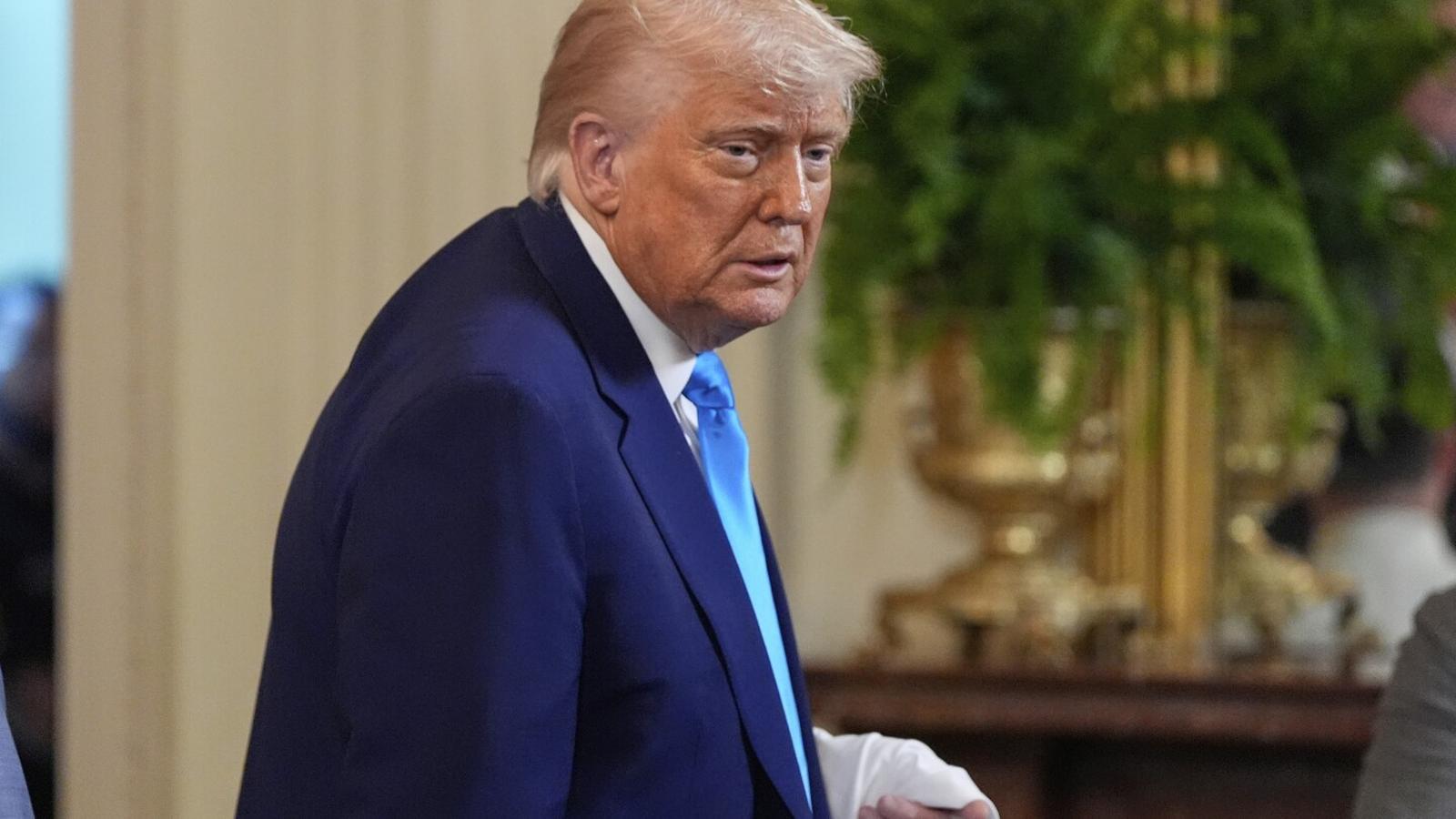
President Trump described the GOP as “unified” while entering a recent Capitol Hill meeting. However, deep rifts remain within the party. Hardline fiscal conservatives demand deficit reduction, while moderate Republicans from high-tax states, such as New York, are advocating for lifting the cap on state and local tax (SALT) deductions. Additionally, some lawmakers are concerned about preserving Medicaid access for vulnerable populations.
In his meeting, Trump emphasized the urgency of passing the bill, stating, “It is time to land the plane.” Despite his efforts, some members, like New York Representative Mike Lawler, remain resolute in their opposition to specific provisions, such as the SALT cap. “While I respect the president, I’m not budging,” Lawler remarked.
Key Provisions: ‘No Tax on Tips’ and More
Among the bill’s highlights is the “No Tax on Tips” provision, a measure aimed at benefiting service workers by exempting their gratuity income from federal taxes. This proposal has garnered support from industry groups like the National Restaurant Association, which believes it could aid in workforce recruitment and retention.
However, experts warn the measure’s benefits may be unevenly distributed. Michael Lynn, a professor at Cornell University specializing in tipping behavior, explained that lower-income tipped workers, who often do not owe federal income taxes, would see minimal to no benefit. “This approach predominantly helps higher-income service workers while overlooking non-tipped workers who equally need assistance,” Lynn stated.
According to the Urban-Brookings Tax Policy Center, eligible tipped workers could expect an average annual tax cut of $1,800. Nevertheless, implementing such a measure poses logistical challenges, particularly in accurately tracking and reporting tips.
Industry and Advocacy Group Responses
The “No Tax on Tips” provision has received praise from groups like Nevada’s Culinary Workers Union, which represents tens of thousands of hospitality workers. The union has urged lawmakers to prioritize the measure, citing its potential to improve financial stability for service industry employees.
Conversely, organizations such as One Fair Wage have criticized the bill for not addressing broader wage issues. The group argues that raising the minimum wage and eliminating tip credits would be more effective in supporting service workers. “This bill is a distraction from the real fight,” stated Saru Jayaraman, president of One Fair Wage.
Challenges in Securing Votes
Despite Trump’s direct involvement, GOP leaders are struggling to secure the necessary votes. The House Freedom Caucus, a group of conservative lawmakers, has expressed reservations about the bill’s potential impact on the federal deficit. Over the weekend, negotiations led to a compromise, with some members voting “present” to advance the bill in committee.
Members like Representative Dusty Johnson of South Dakota remain optimistic, describing Trump’s recent meeting as “hugely impactful.” However, skepticism persists among others, including Kentucky Representative Thomas Massie, who continues to oppose the bill. Trump has not shied away from criticizing dissenters, stating that Massie “should be voted out of office.”
 Looking Ahead
With the Memorial Day deadline looming, the GOP faces mounting pressure to resolve internal disputes and present a united front. The outcome of this legislation could have significant implications for the party’s ability to deliver on its promises and maintain voter support ahead of upcoming elections.
As negotiations continue, the fate of the tax bill remains uncertain, reflecting the complexities of governing amid diverse priorities within the Republican Party.
Source: Whyy, Wuft