
Quick Read
- Houston’s George Bush Intercontinental Airport (IAH) is experiencing TSA wait times exceeding three hours due to the ongoing government shutdown.
- TSA agents are working without pay, leading to severe staffing shortages and viral scenes of packed security lines.
- The official airport website caps wait times at 180 minutes, but real waits often surpass this figure.
- Travelers are advised to arrive three to four hours early and monitor real-time updates.
- No clear resolution to the shutdown is in sight, raising concerns about Thanksgiving travel nationwide.
Houston Airport Grinds to a Halt: TSA Wait Times Soar Past Three Hours
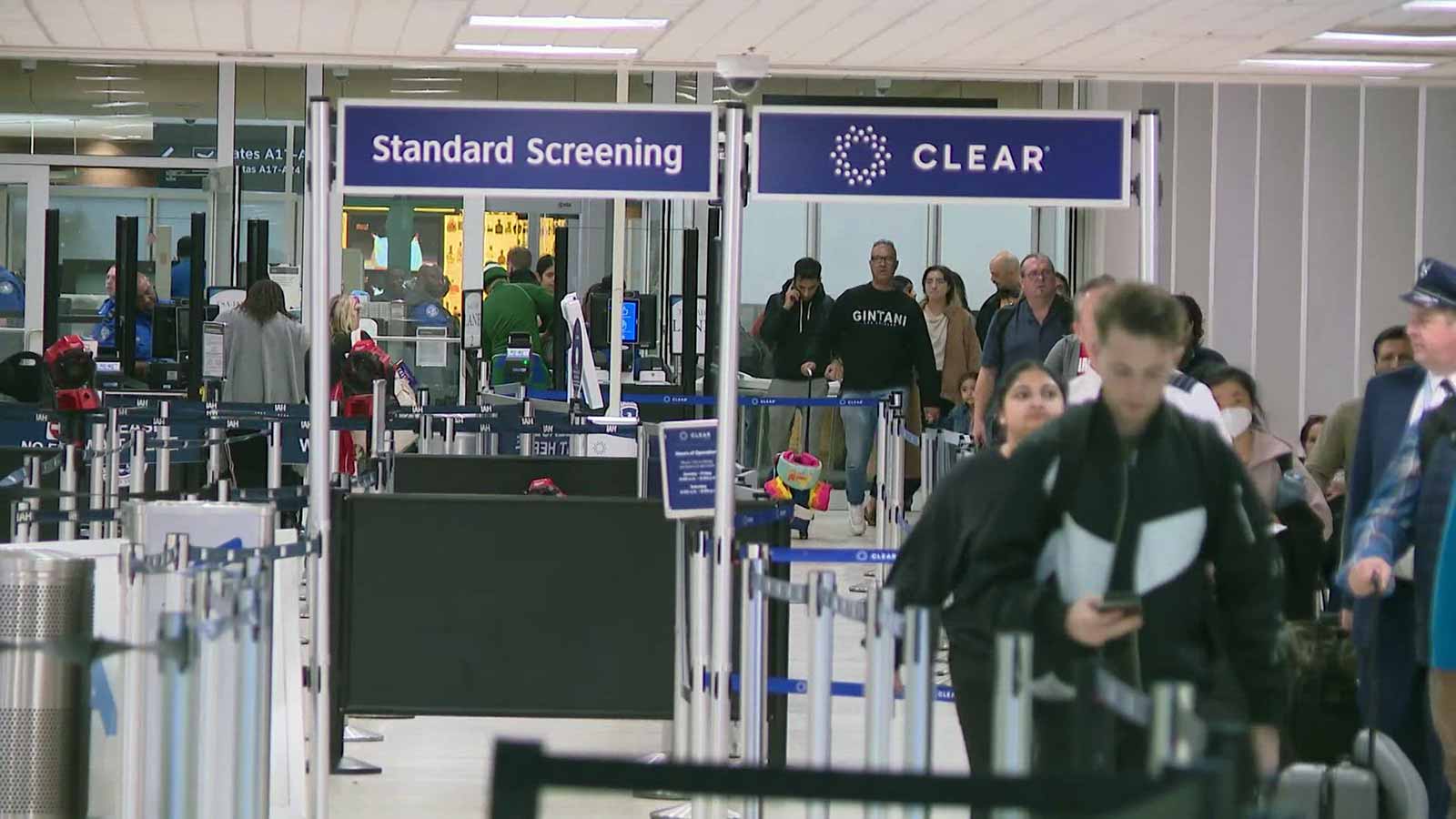
For tens of thousands of travelers passing through Houston’s George Bush Intercontinental Airport (IAH) this week, the experience is more than just a travel inconvenience—it’s a test of patience and endurance. Thanks to a government shutdown that has stretched on for over a month, security lines at IAH have reached a breaking point, with wait times now topping three hours and showing no signs of relief.
Shutdown’s Ripple Effect: Why Are TSA Waits at Crisis Levels?
The U.S. government shutdown, which began on October 1 and is now poised to break records for its length, has had a direct and dramatic impact on airport security nationwide. While emergency personnel such as air traffic controllers and federal law enforcement continue to work with pay, TSA agents—critical to airport operations—have not received paychecks for weeks. According to reporting from BroBible and American City Business Journals, this financial strain has forced many agents to call in sick or seek other work, leaving airports severely understaffed.
Nowhere is the crisis more acute than in Houston. The official IAH airport website has been forced to cap its displayed wait times at 180 minutes, but eyewitness accounts and viral videos reveal the true story: lines snake through the terminals and even spill onto the curb outside. It’s not just a matter of inconvenience; for many, the prospect of missing flights looms large.
Real Travelers, Real Struggles: Stories from the Line
Social media platforms and forums like Reddit have become sounding boards for frustrated passengers. Videos from the past 36 hours show travelers standing shoulder-to-shoulder, their luggage at their feet, as they inch forward in lines that seem endless. Some have described the scene as «nightmarish»—a term that, for once, feels apt rather than hyperbolic.
“I thought the reports were exaggerating,” one Houston resident posted. “But when I arrived at the airport, I couldn’t believe my eyes. The line wrapped around the terminal and out to the street. People were anxious, some trying to rebook flights on their phones, others just looking exhausted.”
For families traveling with children, elderly passengers, or those with medical needs, the wait has been more than just uncomfortable—it’s been dangerous. Airport officials have urged travelers to arrive hours earlier than usual, but even that advice has proven inadequate for many.
Why Now? The Politics Behind the Shutdown and Its Impact
The roots of the current government shutdown are political, with parties in Washington at an impasse over budget priorities and spending. While the White House has launched a public website tracking the shutdown’s duration and assigning blame, the reality on the ground is that ordinary Americans—particularly those traveling for work, family, or the upcoming Thanksgiving holiday—are paying the price.
Unlike air traffic controllers and federal law enforcement, TSA agents are considered «essential» but «non-exempt», meaning they must work during shutdowns but do not receive their pay until the government reopens. While backpay is promised, the immediate hardship is real and has left many workers unable to cover basic expenses.
For Houston, a major hub for both domestic and international travel, the timing could not be worse. With holiday travel just weeks away, the prospect of longer lines and missed flights is raising alarms not just locally, but across the country. The question on every traveler’s mind: will other airports soon face similar chaos?
Uncertain Future: Is Relief on the Horizon?
So far, negotiations in Washington have stalled, with little progress toward reopening the government. Airlines and airport officials are scrambling to manage the fallout, but without a resolution, staffing shortages will persist—and so will the wait times.
Some have suggested creative solutions, such as shifting schedules or recruiting volunteers, but these are stopgap measures at best. The systemic issue remains: when a critical segment of the workforce is sidelined by politics, the consequences ripple out in unpredictable ways.
For now, Houston’s IAH stands as the nation’s cautionary tale—a vivid reminder of how quickly the gears of travel can grind to a halt when the systems behind them break down.
What Should Travelers Do?
For those planning trips through Houston or any major U.S. airport in the coming weeks, experts recommend arriving as early as possible—three to four hours ahead of scheduled departure times. Checking real-time updates on airport websites and social media can help, but even the best-laid plans may fall short under current conditions.
It’s not just about personal inconvenience. The cascading delays affect airlines, connecting flights, and even local economies as travelers miss meetings, family gatherings, and holiday events. With uncertainty lingering, flexibility and patience have become the traveler’s most valuable assets.
Broader Implications: Lessons from Houston’s Crisis
Houston’s ordeal is not simply a local story. It’s a window into the vulnerabilities of the nation’s infrastructure, and a warning that essential services—like airport security—are only as strong as the systems and policies that support them. As the shutdown continues, the story unfolding in Houston may be repeated elsewhere, with travelers left to bear the brunt of decisions far beyond their control.
Houston’s airport crisis is a stark reminder of how deeply political stalemates can affect everyday life. The extraordinary TSA wait times are not just a logistical problem; they reflect the fragile balance between policy and public service. Until a resolution is reached, travelers must navigate this uncertainty with resilience, while the nation watches and waits for leadership to restore order.