
Quick Read
- Houthi forces attacked and sank the MV Eternity C on July 9, leaving 11 sailors missing and four dead.
- The Philippines continues to search for 17 missing Filipino seafarers, amid concerns of kidnappings by the Houthis.
- The attacks are part of a broader pattern of aggression targeting over 100 merchant ships since 2023.
- International bodies have condemned the attacks, urging ships to avoid high-risk areas like the Red Sea.
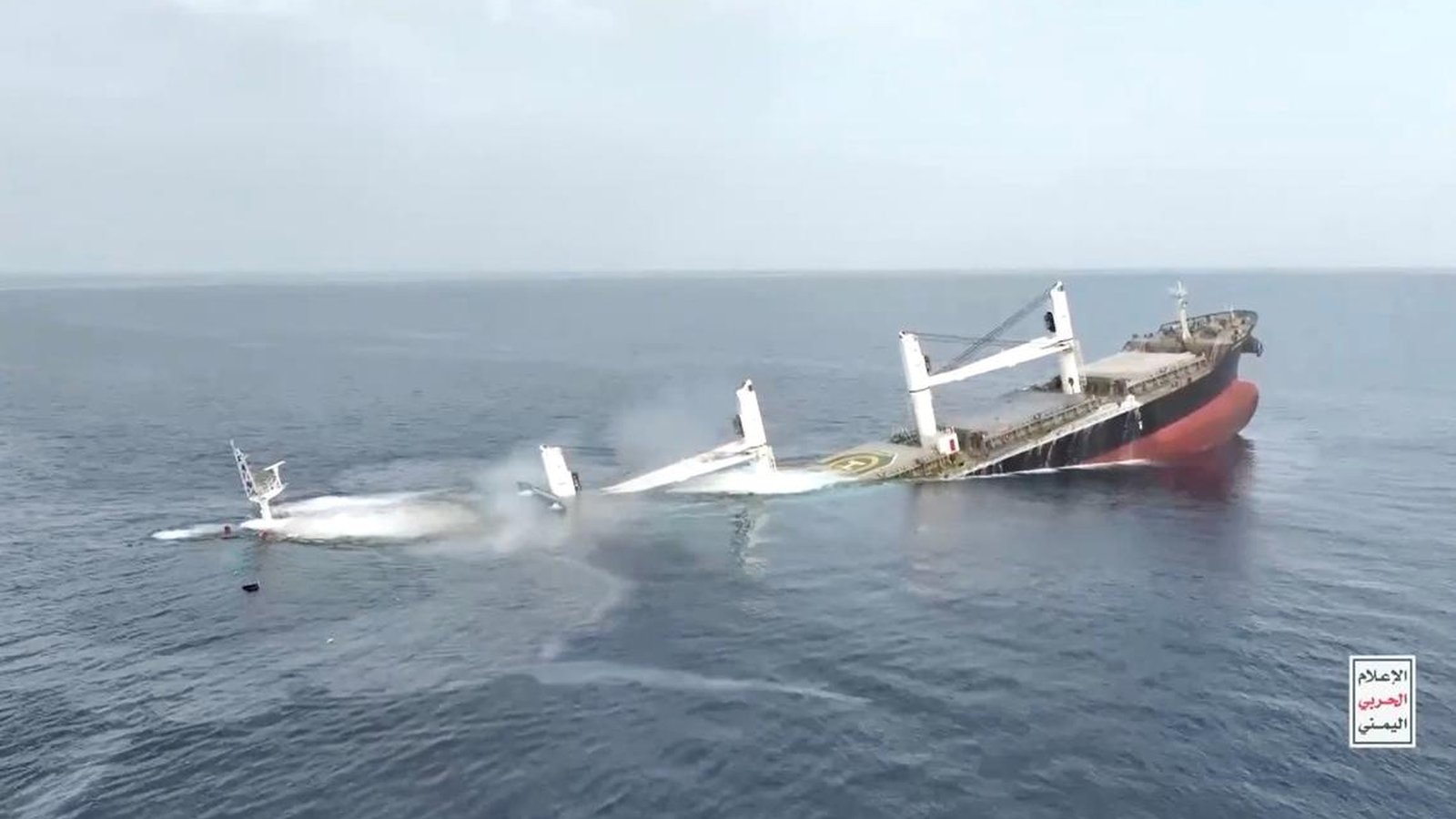
The Red Sea, a vital waterway for global shipping, has once again become a hotspot of conflict following a series of attacks by Yemen’s Houthi forces. On July 9, 2025, the Liberian-flagged, Greek-owned cargo ship MV Eternity C sank after being subjected to two days of relentless drone and missile strikes. This marked one of the most severe incidents in a conflict that has disrupted maritime trade for years.
The Latest Attacks and Their Impact
The attack on the MV Eternity C resulted in the deaths of four sailors, while 11 remain missing. According to reports from Straits Times, the Houthis are suspected of kidnapping some of the missing crew members. Among those missing are 17 Filipino seafarers, whose fate has drawn international concern. Hans Leo J. Cacdac, Secretary of the Department of Migrant Workers (DMW) in the Philippines, confirmed on July 10 that search operations are ongoing, and efforts are being made to locate the missing crew members. “We are still hoping that they are alive,” he stated in a press briefing.
This attack was part of a broader pattern of aggression by the Houthis, who have targeted over 100 merchant ships since November 2023. The group’s strategy appears to be aimed at disrupting global shipping routes in protest against international support for Israel and the ongoing conflict in Gaza. The attacks have resulted in the sinking of multiple vessels and the loss of at least eight lives to date.
A Pattern of Escalation
While the sinking of the MV Eternity C has captured global headlines, it is far from an isolated incident. Just days earlier, on July 6, the Liberian-flagged bulker MV Magic Seas was also attacked. According to BusinessWorld, this assault involved missiles, drones, and remote-controlled explosive boats. Fortunately, the entire crew of 17 Filipinos and two others were rescued and are expected to be repatriated soon. The Houthis later released a video showcasing their assault on the ship, further heightening tensions.
Historical data shows that such attacks have been escalating over the past two years. In August 2024, the Greek-registered tanker Sounion was struck by missiles and drones, causing a massive fire and raising fears of an environmental disaster. Earlier that year, the coal carrier Tutor and the cargo ship True Confidence were also targeted, resulting in fatalities and environmental damage. These incidents underline the Houthis’ increasing capabilities and their willingness to disrupt one of the world’s most critical maritime corridors.
Global and Regional Responses
The international community has responded with condemnation and calls for action. The United States Mission in Yemen accused the Houthis of taking sailors hostage, adding a new layer of urgency to the crisis. Meanwhile, the DMW has issued Advisory No. 21, urging shipowners with Filipino crew members to avoid high-risk zones such as the Red Sea and the Gulf of Aden. “Immediate and safe repatriation must be arranged for those invoking this right,” the advisory emphasized.
Shipping companies are now reconsidering their routes through the Red Sea, despite the added costs of longer journeys. The DMW also announced the suspension of the license manning agencies (LMA) responsible for the MV Eternity C, citing violations of safety protocols. “Our initial investigation reveals that the protocols were all not observed,” Cacdac noted.
These developments come amid broader geopolitical tensions. The Houthis, backed by Iran, have increasingly used advanced weaponry such as drones and missiles, complicating efforts to secure the region. The attacks not only threaten the safety of sailors but also risk disrupting global supply chains, including energy shipments.
The Human Toll
Amidst the geopolitical implications, the human cost of these attacks cannot be overlooked. Families of the missing sailors, particularly the 17 Filipinos aboard the MV Eternity C, are anxiously awaiting news. The rescued crew members, now in an undisclosed location, are receiving medical and psychological support. However, the trauma of such incidents leaves lasting scars on those involved.
In addition to the immediate casualties, the attacks highlight the precarious conditions under which many seafarers operate. The DMW has reiterated its commitment to protecting Filipino sailors, emphasizing their right to refuse deployment to high-risk areas. Yet, the economic pressures on both shipping companies and crew members often make such decisions challenging.
The Red Sea has long been a lifeline for global trade, but the recent surge in Houthi attacks underscores the vulnerabilities of this crucial waterway. As the search for the missing sailors continues, the international community must grapple with the dual challenges of safeguarding maritime routes and addressing the underlying conflicts fueling such aggression.