
Quick Read
- Eagles defeated Lions 16-9, improving their record to 8-2.
- Defense led by Nakobe Dean, Jalen Carter, and Jaelan Phillips stifled Detroit’s offense.
- Lane Johnson exited early with a foot injury; Fred Johnson stepped in at right tackle.
- A.J. Brown expressed frustration over limited offensive opportunities.
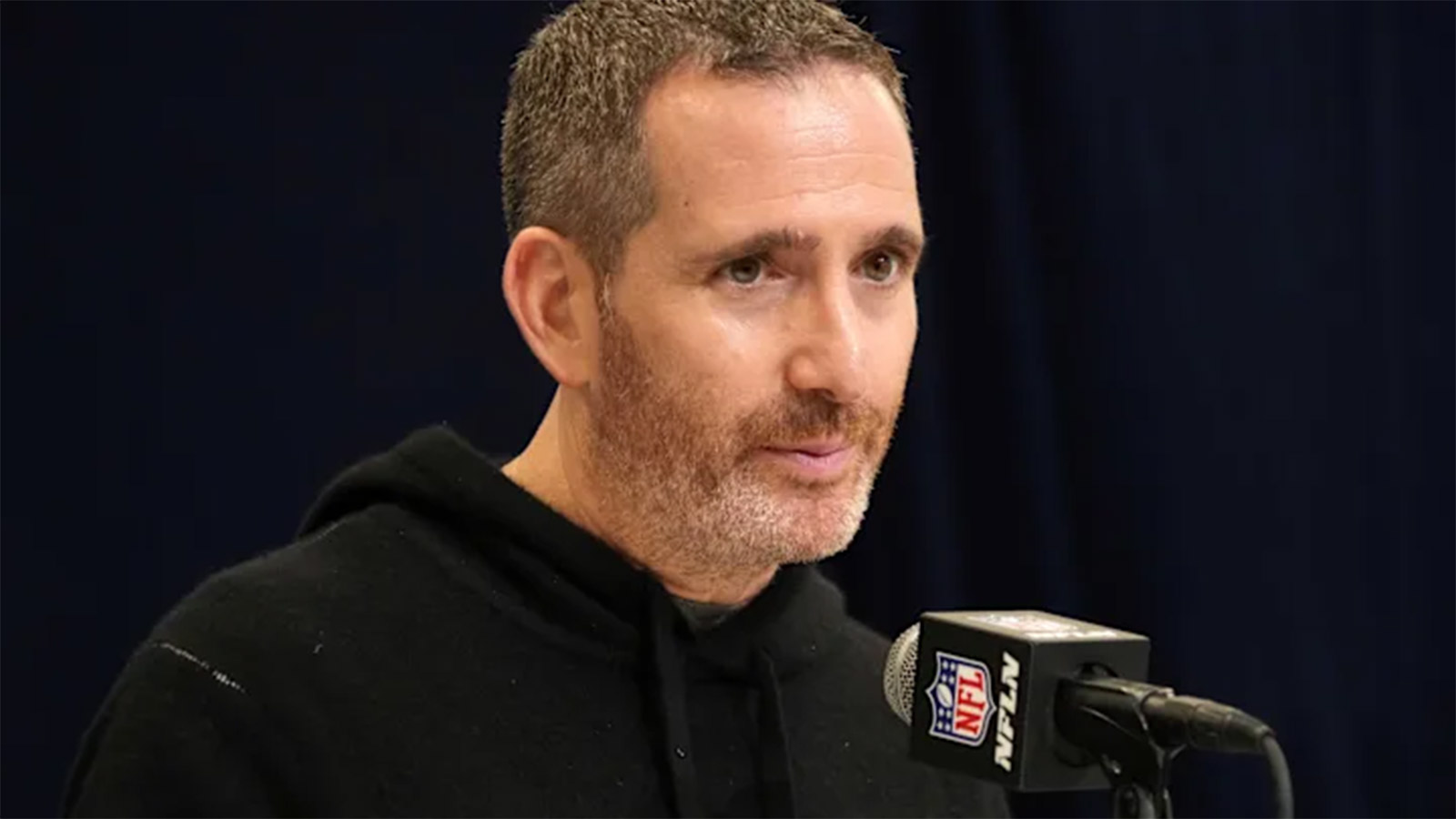
- Howie Roseman’s roster moves have transformed the Eagles’ defensive identity.
Howie Roseman’s Defensive Overhaul: The Making of an NFC Powerhouse
The Philadelphia Eagles’ narrow 16-9 victory over the Detroit Lions on Sunday Night Football was more than a grind-it-out win—it was the culmination of Howie Roseman’s relentless vision for defensive excellence. While the box score may not impress at first glance, the story behind it is a testament to roster construction, coaching synergy, and the kind of resilience that keeps teams in the hunt for championships even when the offense sputters.
Personnel Moves Pay Off: The Roseman-Fangio Synergy
Just a year ago, whispers circled Lincoln Financial Field about whether the Eagles’ defense could hold its own against playoff-caliber teams. Now, after a season of aggressive personnel decisions by general manager Howie Roseman, those doubts have largely vanished. Sunday night’s performance was the latest proof. Young stars like Jalen Carter, Jordan Davis, and Jaelan Phillips—acquired via shrewd drafts and trades—formed the backbone of a unit that suffocated the Lions’ high-powered attack. Vic Fangio, the architect behind the scheme, described the group as ‘amazing,’ but even he acknowledged that coaching is only as good as the players executing the plan.
Nakobe Dean’s name was on everyone’s lips after the game, and for good reason. The linebacker’s speed and instinct led to several drive-stopping plays, including a crucial hit on Jared Goff that nearly swung momentum for good. But it wasn’t just Dean. Quinyon Mitchell, a rookie corner, stepped up with sticky coverage and timely tackles, while Carter and Davis disrupted Detroit’s running lanes all night. As Marcus Hayes of the Philadelphia Inquirer noted, this defense is “Roseman’s reconstructed masterpiece”—a blend of youth, depth, and versatility.
Offensive Struggles and Locker Room Dynamics
If defense was the story of the night, the Eagles’ offense provided the subplot. Jalen Hurts and his unit struggled to find rhythm, posting only two sustained drives and relying on the now-iconic ‘Tush Push’ to reach the end zone. Star receiver A.J. Brown publicly voiced his frustrations earlier in the week, citing a lack of creative playcalling and missed opportunities. “I see that the offense is struggling and I want to help contribute. I didn’t get those opportunities,” Brown told reporters, as recounted by NBC Sports Philadelphia.
The tension wasn’t lost on head coach Nick Sirianni, who faced questions about how to balance locker room egos with on-field results. The Eagles have managed to keep their offensive line relatively healthy—despite Lane Johnson’s recurring injuries—and have leaned on their defense to bail them out of close games. The fact that Philadelphia has now won back-to-back contests while scoring 16 or fewer points, a feat last achieved in 1935, speaks to the team’s ability to adapt and survive.
Injuries and Adaptation: Depth Tested, Depth Delivered
Adversity struck early when Lane Johnson, the veteran right tackle, exited in the first quarter with a foot injury. Fred Johnson, his backup, stepped in, maintaining stability in the trenches and even taking snaps as a blocking tight end—a wrinkle that’s become a favorite of Sirianni’s playbook. Meanwhile, center Cam Jurgens returned after a two-week absence, playing through a knee brace and anchoring the line. The rest of the offensive front, including guards Landon Dickerson and Tyler Steen, fought through various knocks to stay on the field.
On the defensive side, new additions like Jaelan Phillips and Michael Carter II have been quick studies, fitting seamlessly into Fangio’s system. Adoree’ Jackson, challenged by the influx of cornerbacks, responded with a veteran’s confidence: “Competition doesn’t scare me,” he said. The Eagles’ depth was tested—again—and delivered, again.
Statement Win or Symptom of a Larger Trend?
The Lions entered the game with a reputation for explosive offense and a top-10 defense, but they left Philadelphia frustrated and battered. Jared Goff was pressured, hurried, and ultimately contained. Detroit’s only touchdown—a 40-yard catch and run by Jameson Williams—was immediately marred by a costly celebration penalty that forced a missed extra point. That moment, as much as any, encapsulated the night: one team capitalizing on discipline and detail, the other undone by miscues.
For the Eagles, the question going forward is whether this formula—defense first, offense as a work in progress—can sustain a playoff run. The NFC is loaded with teams that can score in bunches, and while Philadelphia’s defense is peaking, the offense will need to regain its footing if the team hopes to go deep in January.
Roseman’s Legacy: Building for Now, Planning for Tomorrow
Howie Roseman’s fingerprints are everywhere. From the draft room to the waiver wire, his decisions have shaped not only the current roster but the team’s competitive window. By prioritizing defensive depth, athleticism, and versatility, Roseman has given Fangio the tools to build a unit that can win ugly—when necessary—and dominate when everything clicks. The challenge now? Keeping the core together as contracts expire and other teams come calling for Philadelphia’s breakout stars.
In the meantime, the Eagles sit atop the NFC, battle-tested and unbowed. The narrative of the 2025 season is still being written, but if Sunday night was any indication, it’s a story authored as much by the front office as the men in pads.
Assessment: Howie Roseman’s approach to roster building—especially on defense—has redefined the Eagles’ identity. By betting on youth, depth, and adaptability, he’s created a team that can weather adversity and win tight games. While questions linger about offensive production, Philadelphia’s blueprint offers a compelling model for sustainable success in today’s NFL.