
Quick Read
- Hungary’s Foreign Minister Péter Szijjártó is accused of briefing Russian counterpart Sergei Lavrov on private EU discussions.
- The allegations surface as Prime Minister Viktor Orbán faces a crucial parliamentary election on April 12.
- Critics suggest Orbán uses international criticism to bolster his domestic support, portraying himself as a defender of Hungarian interests.
BRUSSELS (Azat TV) – Allegations that Hungarian Foreign Minister Péter Szijjártó has been briefing Russian Foreign Minister Sergei Lavrov on private European Union discussions have intensified concerns within Brussels about Hungary’s role in the bloc. The reports, detailed in The Washington Post, suggest Szijjártó relayed details of internal EU foreign minister exchanges to Lavrov during breaks in meetings, a situation described by one European official as allowing “Moscow was at the table.” This comes at a critical juncture, with Hungary’s parliamentary elections scheduled for April 12, where Prime Minister Viktor Orbán faces a significant challenge from Péter Magyar and the Tisza party.
Allegations of Leaking EU Discussions to Moscow
The core of the new allegations centers on claims that Foreign Minister Péter Szijjártó regularly communicated sensitive details of EU foreign minister meetings to his Russian counterpart, Sergei Lavrov. According to The Washington Post’s reporting, these alleged phone calls occurred during breaks in EU gatherings, effectively providing Moscow with insights into internal Western deliberations. This has fueled long-standing worries among Hungary’s EU and NATO allies that Orbán’s government is not merely dissenting within the alliance but actively serving as a conduit for Russian interests. If substantiated, these revelations would deepen the divide between Hungary and its Western partners, particularly concerning its stance on Russia and Ukraine.
Orbán’s Election Strategy and European Criticism
The timing of these allegations is particularly sensitive given the upcoming parliamentary elections on April 12. Prime Minister Viktor Orbán, who has led Hungary for years, is facing his most competitive national contest against Péter Magyar’s Tisza party. Recent polls indicate a close race, amplifying the significance of every electoral factor. Critics argue that Orbán has a pattern of leveraging international pressure and criticism to bolster his domestic support. European politicians, including French MEP Chloé Ridel, have cautioned against harsh criticism that could inadvertently benefit Orbán by allowing him to portray himself as the sole defender of Hungarian interests against external forces. Orbán’s campaign has historically relied on framing Hungary as facing external threats, a strategy that positions him as the nation’s protector against perceived enemies such as the EU, international financial magnates, and transnational elites.
Hungary’s Stance on Russia and Ukraine
Hungary’s relationship with Russia has been a persistent point of contention within the EU and NATO. Orbán’s government has frequently been accused of delaying or diluting common European positions on Russia and Ukraine. Most recently, Orbán faced criticism for blocking a proposed €90 billion loan package for Ukraine, prompting European Commission President Ursula von der Leyen to seek alternative funding methods. Hungary’s significant reliance on Russian energy supplies is seen as a key factor shaping its foreign policy, reinforcing the perception that its Russia policy is driven by pragmatic calculations as much as ideology. This dependence has constrained Budapest’s maneuverability on the international stage and contributed to the view, particularly in Central and Eastern Europe, that Hungarian policy is often tailored to serve specific national interests, sometimes at odds with broader European consensus.
International Backing and Domestic Pressure
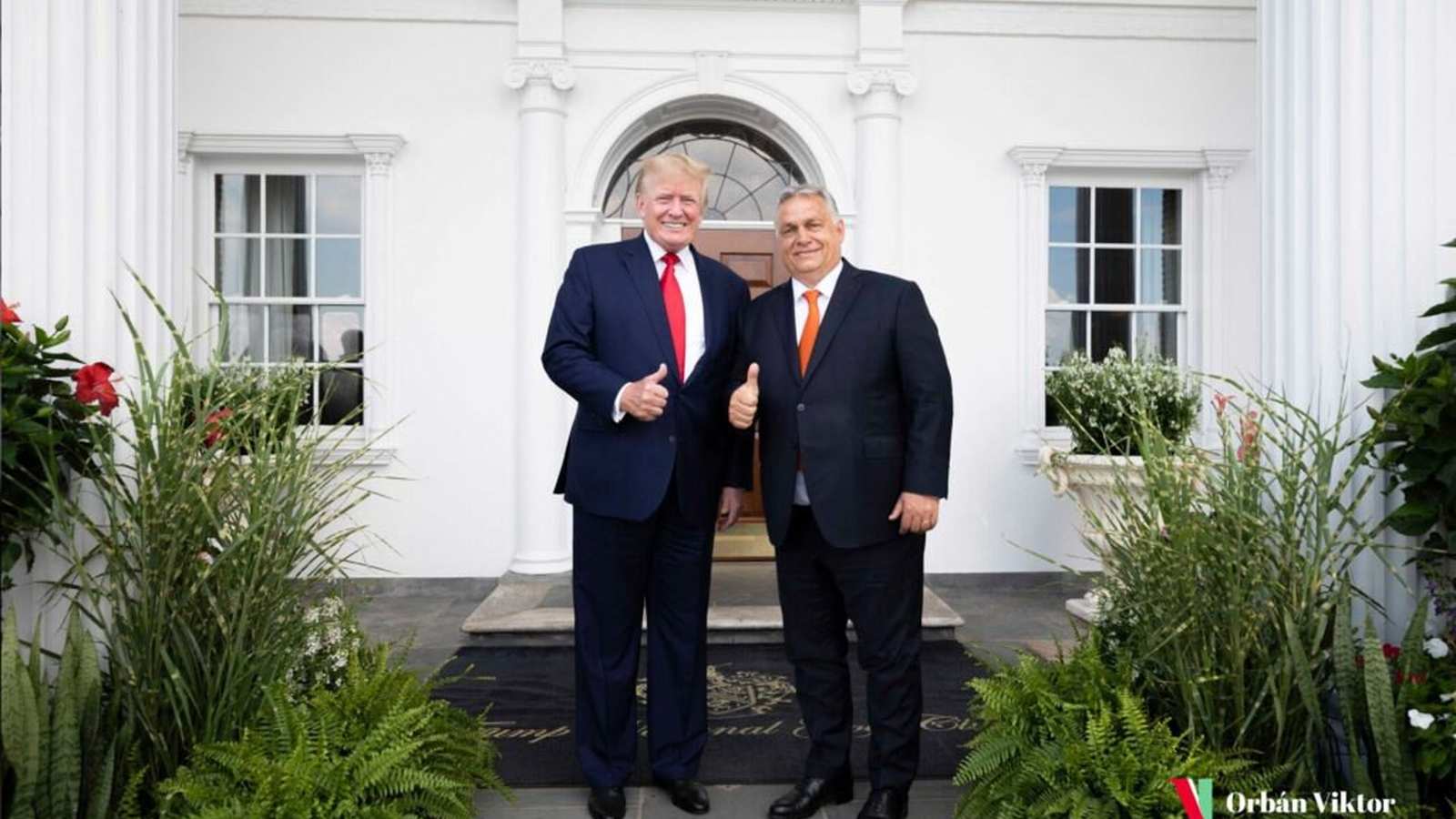
The international dimension of Orbán’s political standing has also been highlighted by endorsements from figures like Donald Trump, who has called Orbán a strong leader. Senior members of Trump’s administration have also signaled support, viewing Orbán as a key European partner amid domestic challenges. However, this external backing does not alter the immediate political dynamics within Europe, where Orbán’s actions, including alleged leaks to Moscow and obstruction of EU policies, continue to draw scrutiny and frustration. The upcoming election presents a critical test for Orbán’s long premiership, with the latest allegations adding another layer of complexity to his electoral landscape.
The convergence of allegations regarding leaked EU discussions and an intensely competitive domestic election campaign underscores the dual pressures Viktor Orbán is currently navigating, potentially amplifying his narrative of defending Hungarian sovereignty against perceived external interference.