
Quick Read
- Hurricane Melissa reached peak sustained winds of 190 mph, tying it with Hurricane Allen (1980) as the strongest in the Atlantic basin.
- The storm’s minimum central pressure of 892 millibars tied with the 1935 Labor Day Hurricane for the third-lowest on record.
- A dropsonde recorded a global record wind gust of 252 mph during Melissa’s peak intensity.
- Melissa caused at least 95 fatalities across the Caribbean, with Jamaica reporting 45 deaths and an outbreak of Leptospirosis.
- Jamaica sustained an estimated $8.8 billion USD in physical damage, representing 41% of its 2024 GDP, with severe agricultural losses.
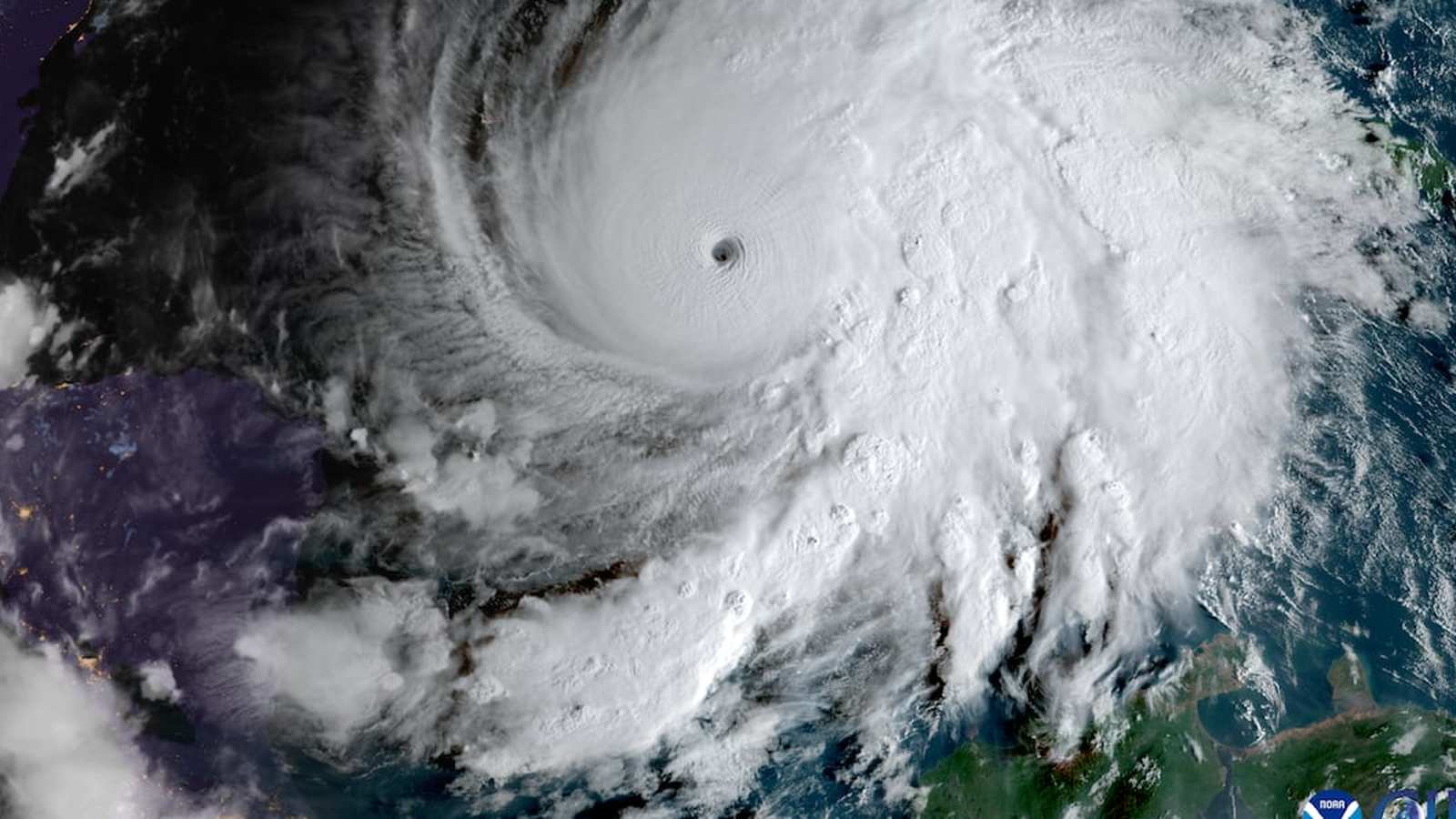
A recent post-storm analysis by the National Hurricane Center (NHC) has officially confirmed that Hurricane Melissa, which struck Jamaica, Cuba, and the Bahamas in late October 2025, achieved peak sustained winds of 190 miles per hour. This historic intensity ties Melissa with Hurricane Allen (1980) as the strongest hurricane ever recorded in the Atlantic basin in terms of maximum sustained wind speed and positions it alongside the 1935 Labor Day Hurricane as the third-most intense based on minimum central pressure. The catastrophic tropical cyclone caused widespread devastation across the Caribbean, prompting extensive humanitarian response and long-term recovery efforts.
Record-Breaking Intensity of Hurricane Melissa
The NHC’s detailed analysis, released in late February 2026, underscored the extreme power of Hurricane Melissa. The storm reached its 190 mph peak intensity on October 28, 2025, when it was approximately 40 miles south-southwest of New Hope, Jamaica. Melissa maintained this Category 5 strength as it made landfall in Jamaica with 185 mph winds, marking it as the strongest hurricane on record to hit the island nation. The post-analysis utilized advanced data from aircraft reconnaissance, satellite imagery, and dropsonde observations, revealing Melissa’s minimum central pressure plummeted to 892 millibars, matching the 1935 Labor Day Hurricane.
Beyond its Atlantic basin records, Hurricane Melissa also set a global benchmark. A dropsonde measurement recorded an instantaneous wind gust of 252 mph (219 knots), making it the strongest wind ever recorded by a dropsonde in any tropical cyclone worldwide. This surpassed the previous global record set by Super Typhoon Megi in 2010. The rapid intensification of Melissa over exceptionally warm ocean waters and its slow initial movement were critical factors in its ability to reach and sustain such formidable strength, leading to devastating consequences for millions across the Caribbean region, as highlighted by WAFB.
Catastrophic Impact Across the Caribbean
The extreme intensity of Hurricane Melissa translated into widespread and severe damage across the Greater Antilles. Jamaica, Haiti, and the Dominican Republic bore the brunt of the storm’s fury. Jamaica’s southwestern coast experienced peak storm surge levels of 7 to 11 feet above normally dry ground, leading to significant structural damage and displaced vessels. Extreme rainfall was another major factor, with localized accumulations exceeding 35 inches in southern Haiti, over 32 inches in Jamaica’s interior highlands, and more than 27 inches in the Dominican Republic. This deluge resulted in catastrophic freshwater flooding, with rivers overflowing and entire communities submerged.
Wind damage was equally destructive, particularly in western Jamaica, where nearly all wooden structures were destroyed. Most buildings suffered stripped roofs, and even concrete constructions sustained severe damage. The human toll was tragic, with Melissa directly responsible for at least 95 fatalities across the Caribbean. Jamaica reported 45 deaths, Haiti 43, the Dominican Republic 4, Cuba 1, and 2 in other areas. The crisis in Jamaica was further exacerbated by a post-storm outbreak of Leptospirosis, a bacterial infection spread through contaminated floodwaters, which claimed additional lives during the initial recovery operations, according to Weather Nation TV.
Humanitarian Response and Recovery Efforts
In the wake of such widespread destruction, humanitarian organizations rapidly mobilized. Water Mission’s disaster response team, for instance, deployed to Jamaica ahead of the storm to prepare for emergency safe water needs. The organization reported that millions were left without access to clean water following the Category 5 storm. Within two weeks, Water Mission’s Disaster Assistance Response Team (DART) established safe water systems in Ferris Cross, Jamaica, and began trucking treated water to storage tanks in churches, schools, and community centers. By mid-February 2026, Water Mission had installed safe water treatment systems in seven locations across Jamaica, producing over 1.7 million gallons of safe water and serving more than 58,000 people daily, as detailed by Water Mission.
Beyond providing immediate aid, Water Mission also focused on spiritual and emotional healing, partnering with 28 churches across Jamaica to conduct seven trauma healing trainings. These sessions, attended by 139 people, utilized a “Beyond Disaster” curriculum to help residents process their experiences. The organization also distributed booklets and provided grants to 18 churches for Christmas celebrations, aiming to support communities during a season marked by immense loss. Water Mission is set to hand over its operations to UNICEF Jamaica and local system operators by the end of February 2026, focusing on implementing long-term solutions for community rebuilding and preparedness.
Economic Devastation and Long-Term Outlook
The economic impact of Hurricane Melissa on Jamaica has been staggering, with estimated physical damage reaching $8.8 billion USD. This figure represents a significant portion—41 percent—of the nation’s 2024 gross domestic product, making it one of the worst instances of destruction ever recorded for the country. Agricultural losses were particularly severe, with approximately 41,390 hectares of farmland affected and over 70,000 farmers suffering losses. The vital coffee sector sustained damage to about 40 percent of its trees, resulting in an estimated 45 percent loss in production valued at $833.8 million. Additionally, more than 1.25 million animals perished, including poultry, livestock, and aquaculture stock.
The post-storm analysis of Hurricane Melissa serves as a stark reminder of the increasing intensity and devastating potential of tropical cyclones, particularly as ocean waters continue to warm. Its place in the record books alongside historical storms like Hurricane Allen and the 1935 Labor Day Hurricane underscores the critical need for robust infrastructure, advanced warning systems, and comprehensive disaster preparedness strategies across vulnerable Caribbean nations to mitigate future impacts.