
Quick Read
- Hurricane Melissa made a historic Category 5 landfall in Jamaica before heading towards Cuba and the Bahamas.
- Cuba and the Bahamas have issued emergency warnings and are preparing shelters and supplies.
- Meteorologists expect Melissa to weaken as it moves into colder waters near Bermuda.
- Relief efforts in Jamaica are ongoing, offering lessons for neighboring regions.
Melissa’s Historic Path: From Jamaica to Cuba and Beyond
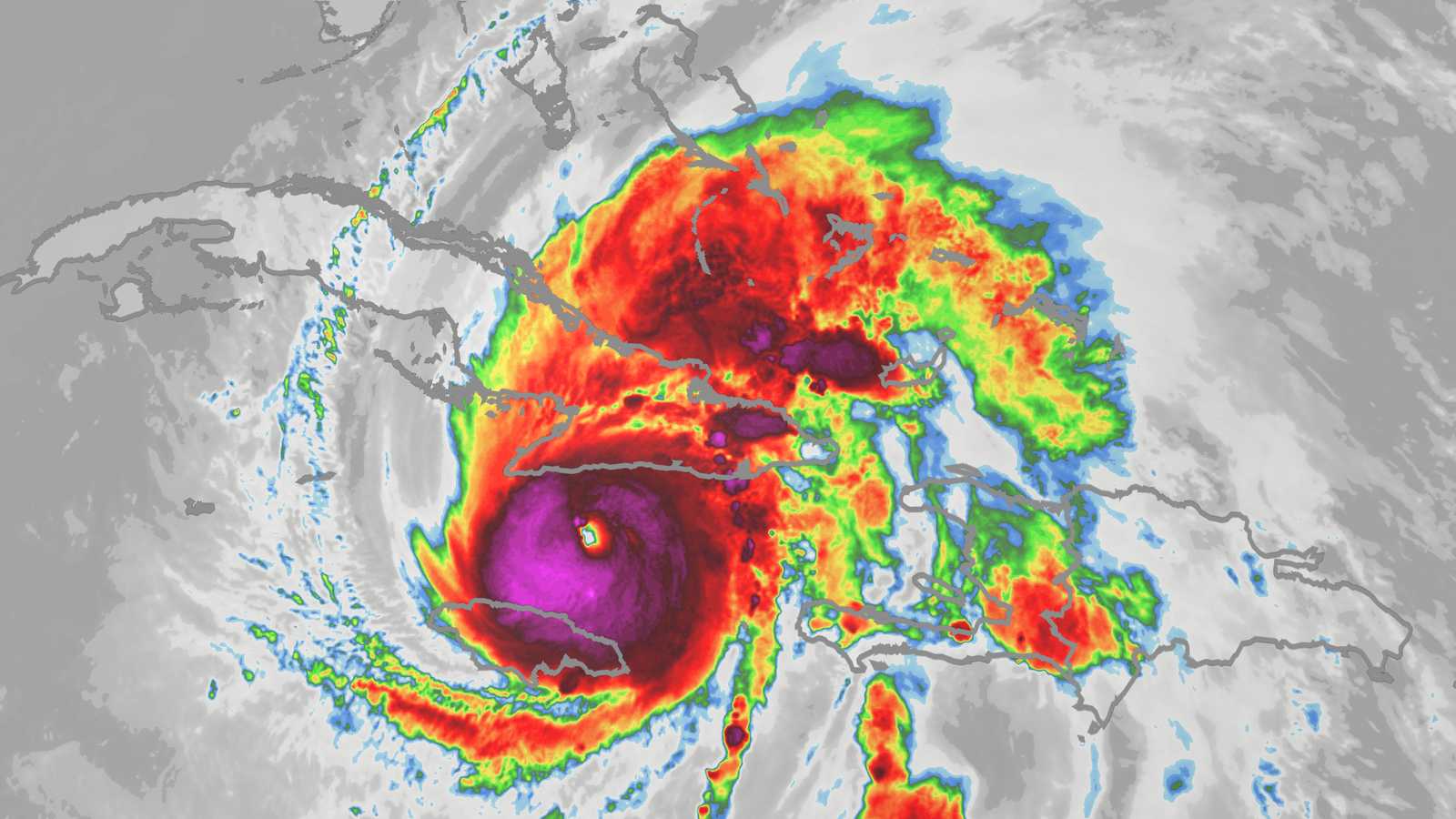
When Hurricane Melissa slammed into Jamaica as a Category 5 storm, it marked a pivotal moment in Caribbean weather history. The storm’s ferocity was undeniable, leaving meteorologists and locals alike scrambling to assess the damage and predict what might come next. Now, with Melissa barreling toward Cuba and the Bahamas, the eyes of the region remain fixed on satellite screens and weather updates, hoping for clarity and, above all, safety.
Forecasts and Warnings: Cuba and Bahamas Brace for Impact
The National Hurricane Center and local meteorological agencies have issued urgent warnings for Cuba and the Bahamas. As Weather.com reports, Melissa’s center is expected to pass close to these islands, with the possibility of hurricane-force winds and heavy rains battering communities. For residents of Cuba, the hurricane’s trajectory carries echoes of past disasters, prompting renewed preparations: boarding up windows, stocking supplies, and establishing emergency shelters.
Bahamian authorities are also on high alert, coordinating with international partners and local volunteers. The anticipation is palpable—radio stations and social media platforms are flooded with updates, advice, and stories from those who have weathered storms before. For many, the question isn’t just how strong Melissa will be, but whether their communities are truly ready for what’s to come.
Jamaica’s Aftermath: Lessons for the Region
In Jamaica, the aftermath of Melissa’s landfall has been sobering. Streets are strewn with debris, power lines are down, and families gather to assess the damage. Relief teams work tirelessly, supported by regional neighbors and international agencies. The lessons learned here—about resilience, preparedness, and the unpredictability of nature—are now being shared with Cuba and the Bahamas as they prepare for their own encounter with Melissa.
One local official in Kingston described the storm’s impact as «unprecedented in recent memory.» The swift mobilization of resources, from food distribution to medical care, has drawn praise but also underscored the ongoing challenges of disaster response in the Caribbean. The hope is that these hard-won lessons can help mitigate the effects of Melissa as it moves northwest.
Tracking the Storm: The Science Behind Melissa
Melissa’s rapid intensification and subsequent path have kept meteorologists on their toes. Experts note that as the hurricane moves into colder waters near Bermuda, it is likely to lose its tropical characteristics. However, until that transition is complete, the threat remains real for Cuba and the Bahamas. Advanced satellite imagery and computer models are being used to predict wind speeds, rainfall amounts, and the precise location of landfall.
As reported by Reuters, the collaboration between regional meteorological centers is crucial. Data sharing and joint forecasting efforts have improved the accuracy of predictions, giving local governments more time to prepare and respond. The intersection of science and community action is more apparent than ever in the face of Melissa’s approach.
Community Response: Hope and Uncertainty
Across Cuba and the Bahamas, communities are rallying together. Churches, schools, and civic centers have been converted into temporary shelters. Volunteers organize supply drives, while local businesses donate food and water. The sense of solidarity is strong, but so is the uncertainty: Will Melissa’s winds be as destructive as those seen in Jamaica? Can existing infrastructure withstand another major storm?
Stories emerge of families relocating to safer areas, neighbors checking in on the elderly, and local leaders coordinating evacuation plans. It’s a testament to the human spirit—resilient, adaptive, and compassionate in the face of adversity.
What’s Next: Preparing for Recovery
As Melissa races toward the colder waters of the North Atlantic, there is cautious optimism that its strength will diminish. But for Cuba and the Bahamas, the immediate priority is safety: securing homes, protecting vulnerable populations, and ensuring clear communication channels. Governments and NGOs are already planning for the recovery phase, knowing that every hurricane leaves a legacy that lasts far beyond the initial landfall.
In the coming days, the world will watch as Melissa’s journey unfolds. The hope is that the lessons from Jamaica will help save lives and minimize damage in Cuba and the Bahamas. Yet, as history has shown, nature’s course is rarely predictable—and preparation remains the best defense.
Assessment: Hurricane Melissa’s passage through the Caribbean serves as a stark reminder of the region’s vulnerability to extreme weather. While scientific advances have improved forecasting and response, the real test lies in the preparedness and resilience of local communities. As Cuba and the Bahamas brace for impact, the solidarity and swift action of citizens and officials will be the determining factor in weathering the storm and beginning the path to recovery.