
Quick read
- ICE conducted a major immigration raid in Tallahassee, detaining over 100 people.
- The raid occurred at a construction site near Florida State University.
- Detainees hailed from countries such as Mexico, Guatemala, and Honduras.
- Local activists protested the operation, citing its human impact.
- This is one of Florida’s largest immigration enforcement actions in recent years.
What Happened During the Tallahassee ICE Raid?
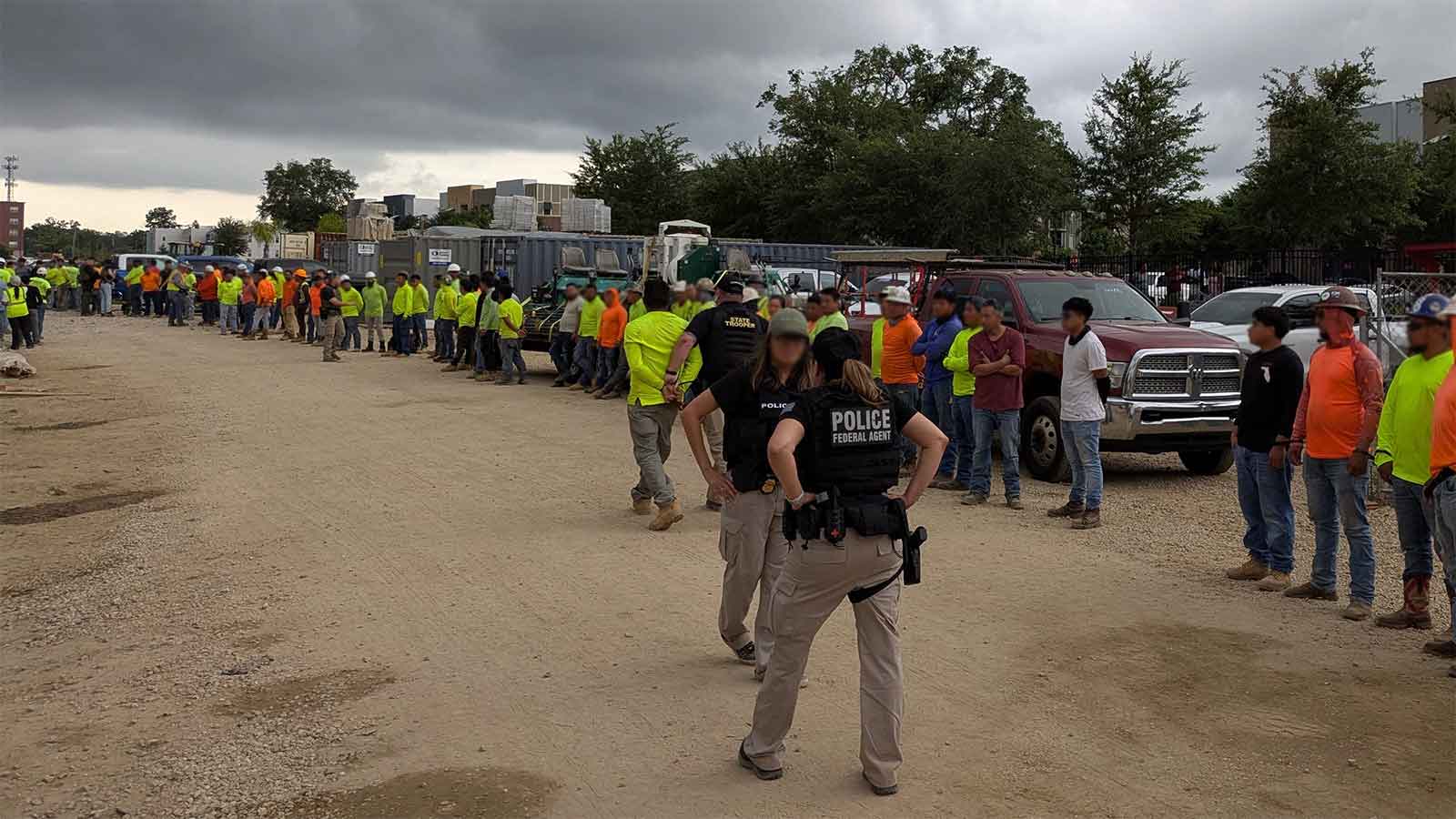
On May 29, Homeland Security Investigations (HSI), in coordination with U.S. Immigration and Customs Enforcement (ICE) and other agencies, carried out a large-scale immigration raid in Tallahassee, Florida. The operation targeted a construction site in the CollegeTown area, near Florida State University. According to Tallahassee Democrat, more than 100 individuals were detained, making it one of the largest single-day immigration enforcement actions in the state’s history.
Law enforcement officers, some wearing camouflage and face coverings, checked workers’ identification and permits. Those without proper documentation were taken into custody. The detainees included individuals from Mexico, Guatemala, Nicaragua, Honduras, El Salvador, and Colombia, among other countries, as reported by WCTV. Some detainees had prior deportations or criminal records, according to officials.
How Did Local Communities React to the Raid?
The raid sparked immediate backlash from local activists and community members. On May 30, nearly 200 protesters gathered at the Florida Historic Capitol, waving signs and chanting slogans like “Immigrants are welcome here” and “No more I.C.E. in our state.” The demonstration, organized by the Tallahassee Immigrant Rights Alliance, criticized the raids as inhumane and disruptive to workers’ livelihoods, according to WCTV.
Protesters expressed concerns about the conditions under which detainees were held, including reports of individuals being zip-tied and loaded onto buses without air conditioning. Local activist Ana Laura Ventura told Tallahassee Democrat that the treatment of workers was “unjust” and lacked basic dignity.
What Is the Broader Context of Immigration Enforcement in Florida?
The Tallahassee raid is part of a broader pattern of intensified immigration enforcement in Florida. In April, ICE and state law enforcement conducted “Operation Tidal Wave,” arresting over 1,100 individuals in a multi-county sweep. Governor Ron DeSantis has prioritized strict immigration policies, allocating significant resources to enforcement efforts, as noted by Tallahassee Democrat.
Florida has also become a leader in the 287(g) program, which allows local law enforcement to collaborate with ICE in identifying and detaining undocumented immigrants. According to WCTV, over 230 Florida law enforcement agencies are currently participating in this program.
What Happens to Detainees After Such Raids?
After being detained, individuals are typically taken to ICE holding facilities. In this case, detainees were expected to be transferred to facilities in Baker or Walton County. According to Tallahassee Democrat, some individuals with criminal charges were held in local jails under ICE holds. Family members can locate detainees through ICE’s online detainee locator system, which provides information on custody status and facility location.
However, the process often leaves families and communities in limbo, as detainees may face prolonged detention or deportation. Critics argue that these raids disrupt communities and tear families apart without addressing the root causes of immigration issues.
What Are the Implications of This Raid?
This raid underscores the contentious debate over immigration enforcement in the United States. While federal and state officials argue that such operations uphold the rule of law and public safety, critics view them as heavy-handed and harmful to immigrant communities. The Tallahassee incident has reignited calls for comprehensive immigration reform that balances enforcement with human rights considerations.
As protests and discussions continue, the raid serves as a stark reminder of the complexities surrounding immigration policy and its real-world impact on individuals and communities.
The Tallahassee raid highlights the ongoing tensions between enforcement policies and community advocacy. As Florida intensifies its efforts, the human cost of such actions remains a central point of contention in the broader immigration debate.