
Quick Read
- ICMR is prioritizing extramural research grants to address specific regional health burdens like rising cancer rates in Telangana.
- New research initiatives are shifting focus toward environmental health risks, including water contamination and emerging venomous attacks.
- The organization is moving to integrate academic research findings into national policy to improve rural healthcare infrastructure and treatment accessibility.
The Indian Council of Medical Research (ICMR) has launched a series of strategic initiatives aimed at addressing evolving public health threats, as recent data highlights significant shifts in disease prevalence across the country. The council’s latest efforts, including the call for specialized extramural research grants, seek to bridge the gap between academic research and actionable medical interventions.
Addressing Regional Cancer Trends and Environmental Links
New projections presented to the Rajya Sabha underscore the urgency of the ICMR’s research mandate. Data for 2025 indicates that Telangana is experiencing a steady increase in cancer incidence, with a new case diagnosed approximately every 10 minutes and a death occurring every 18 minutes. Nationally, the ICMR has pointed to critical environmental factors, including water contamination by industrial waste, heavy metals, and pesticides, as significant contributors to the rising burden of colorectal and rectal cancers.
To mitigate these trends, the Union government is leveraging ICMR-backed insights to expand infrastructure. This includes the development of 297 Day Care Cancer Centres and the integration of essential anti-cancer medications into the National Programme for Prevention and Control of Non-Communicable Diseases. The goal is to decentralize care, ensuring that treatment is both accessible and affordable for patients in rural and semi-urban settings.
Emerging Public Health Challenges
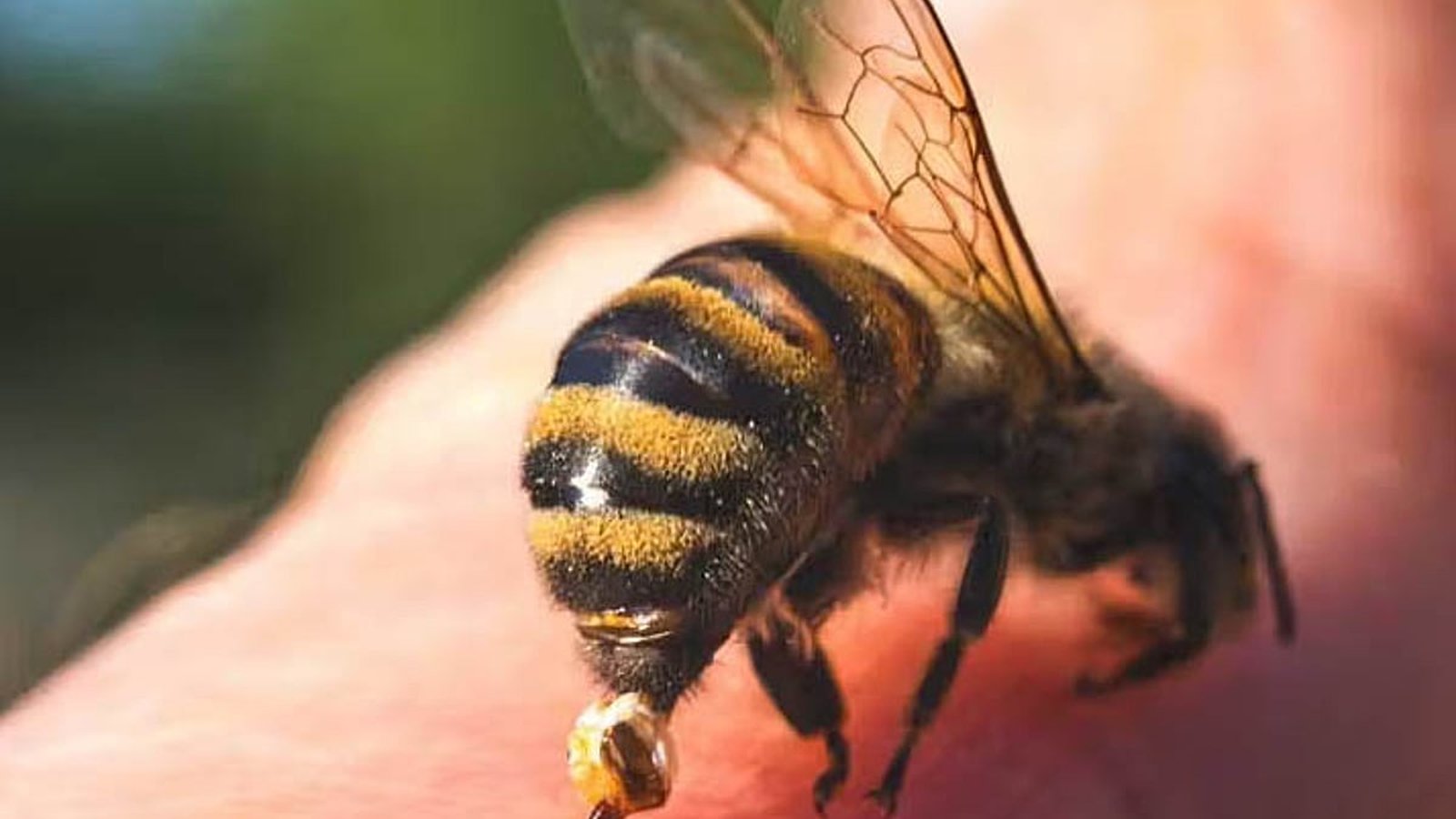
Beyond chronic diseases, the ICMR is also pivoting to address neglected public health crises. Research initiatives, such as those led by the ICMR Zero Snakebite Death Project, are now expanding their scope to include previously overlooked environmental threats, such as rising bee envenomation cases in states like Assam. Specialists warn that changing environmental conditions are increasing the frequency of these attacks, necessitating better preparedness among rural healthcare providers.
Strengthening Research Infrastructure and Policy
The ICMR’s current focus on “ANVESHAN” extramural grants highlights a move toward nurturing doctoral-level research that can directly inform state-level health policy. By encouraging investigator-initiated proposals, the council aims to foster a pipeline of data that can be used to refine public health strategies, from salt-reduction programs targeting hypertension to localized environmental health monitoring.
The strategic shift toward localized, data-driven interventions indicates that the ICMR is prioritizing agility in its research framework, moving away from centralized theoretical models toward specific, high-impact studies designed to address the unique epidemiological profiles of India’s diverse regions.