
Quick Read
- Imran Khan and his wife Bushra Bibi sentenced to 17 years in prison by a Pakistani court for illegally retaining and selling state gifts.
- They were accused of undervaluing gifts from foreign dignitaries, including Saudi jewelry, enabling them to buy and sell at a profit.
- Khan and his party deny all charges, claiming political motivation and unfair trial; family alleges solitary confinement and harsh conditions.
Imran Khan and Bushra Bibi Sentenced: The Gift House Saga Reaches Its Climax
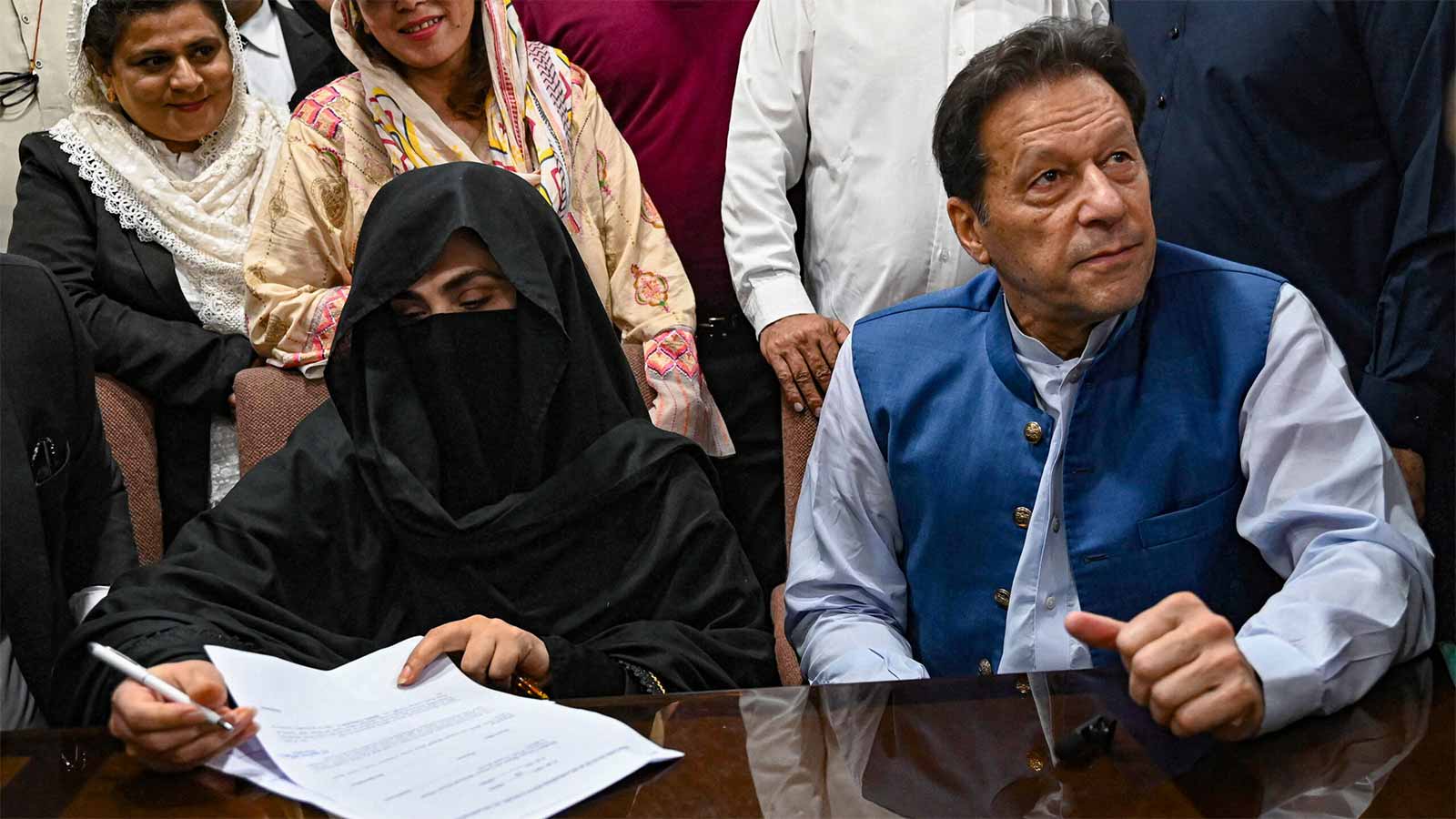
On December 20, 2025, a special court in Islamabad handed down a 17-year prison sentence to Imran Khan, Pakistan’s former prime minister, and his wife, Bushra Bibi. The verdict marks a dramatic turning point in a years-long legal battle, one that has gripped the nation and sent shockwaves across international headlines. The couple was convicted of illegally retaining and selling ten valuable state gifts, including seven luxury watches and jewelry, some gifted by foreign dignitaries such as Saudi Arabia’s royal family, according to The Media Line, Al Jazeera, and ABC News.
What Were the Charges Against Imran Khan?
The crux of the case centers on Pakistan’s Toshakhana (State Gift House) regulations. By law, any government official who receives gifts from foreign leaders must declare them and deposit them in the Toshakhana. If they wish to keep a gift, they can do so only after purchasing it at its assessed market value, and must disclose any profits made from selling such items.
Prosecutors argued that Khan and his wife declared the value of several gifts at just over $10,000—vastly below the actual market value of $285,521. This enabled them to purchase the gifts at a fraction of their true worth, then allegedly sell them for personal gain. The court sentenced both to ten years under the Anti-Corruption Act and seven years under the Pakistan Penal Code, plus a fine of 16.4 million rupees each.
Political Fallout and Family Response
Khan, his family, and his party—the Pakistan Tehreek-e-Insaf (PTI)—have vehemently denied the charges. They call the proceedings a ‘sham’ and claim the verdict is designed to prolong Khan’s “illegal, unjust incarceration.” PTI took to social media to declare, “A closed-door jail trial is neither free nor fair. The entire world knows these cases are politically motivated.” Khan’s sister, Aleema Khanum, told Al Jazeera, “The whole country knows he’s an honest man. He is isolated, he is being tortured through solitary confinement, him and his wife. This is the situation, two and a quarter months.”
Supporters of Khan have maintained that the legal onslaught is intended to keep him out of power, especially after his ouster in April 2022 following a no-confidence vote in parliament. He has faced multiple charges since then, ranging from corruption to revealing state secrets, with several convictions and appeals. His party and family continue to argue that the judiciary is being manipulated for political ends.
Life Behind Bars: Isolation and Family Concerns
Since August 2023, Imran Khan has been incarcerated at Adiala Jail, Rawalpindi. Reports from his sons, Suleman and Kasim Khan—who live in London—paint a bleak picture. In interviews cited by Times of India, they claim their father is being held in near-total isolation, confined to a cell “six feet by eight inches.” Guards reportedly are not allowed to speak to him, and his family alleges psychological torture.
Pakistani authorities have refuted claims of a visitation embargo, with the Interior Minister stating, “There has been no embargo on Suleman Khan and Kasim Khan to meet their father, Imran Khan, at Adiala Jail.” The government promises that visas will be granted should Khan’s sons wish to visit. Nevertheless, the brothers remain concerned for their father’s safety and well-being, saying they have not seen or spoken to him for months.
International watchdogs are watching closely: a United Nations special rapporteur recently warned that Khan is being held in conditions that may amount to inhuman or degrading treatment.
Legacy, Popularity, and Ongoing Unrest
Imran Khan, now 73, remains a towering figure in Pakistani politics and society. His career as an international cricket star in the 1980s and his tenure as prime minister from 2018 to 2022 solidified his appeal. Despite his legal woes, Khan’s popularity endures. Protests over his imprisonment have erupted repeatedly since 2023, reflecting public skepticism over the charges and the wider political climate.
The Toshakhana case is not the only legal challenge Khan faces. In August 2023, he was convicted and sentenced to three years in prison and disqualified from office for five years in a related case regarding asset disclosures. That sentence was suspended in April 2024 pending appeal. The current conviction for Khan and his wife brings fresh uncertainty to his future and Pakistan’s political trajectory.
Khan and Bushra Bibi maintain their innocence, insisting that the accusations are “fabricated” and “fraudulent.” As his supporters rally and his family speaks out, the saga continues to unfold, raising tough questions about justice, political rivalry, and the future of democracy in Pakistan.
The evidence presented in court focused on technical breaches of Toshakhana rules and alleged undervaluation of state gifts. Yet, the loudest voices—both for and against Khan—frame this verdict as a battle for Pakistan’s soul. Whether this is a genuine fight against corruption or a symbol of political score-settling, the outcome will shape the country’s direction for years to come. The case’s legacy may ultimately hinge less on legal minutiae and more on the public’s trust in institutions, transparency, and the rule of law.